 Supplychaindive
 Air Cargo Industry Faces Fuel Cost Crisis Amid Iran War Disruptions
Article Content

- •Air cargo carriers are raising fuel surcharges due to jet fuel prices nearly doubling.
- •The Iran war has caused significant disruptions in logistics and transportation costs.
- •Asia-Pacific airlines report record passenger loads but face severe cost pressures from fuel spikes.
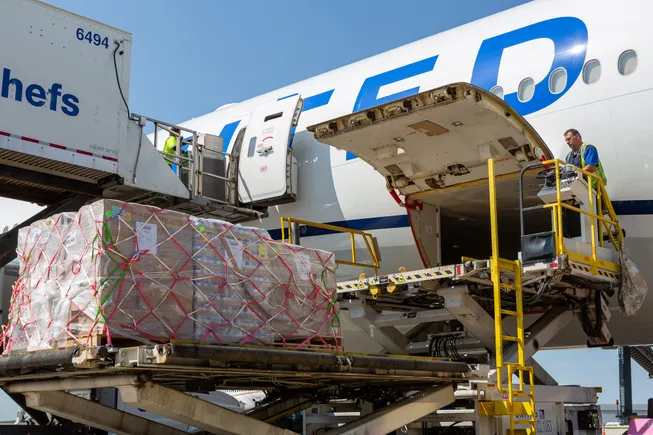
Air cargo carriers are implementing fuel surcharges due to soaring jet fuel prices driven by ongoing disruptions from the Iran war. The U.S. military strikes against Iran in February have led to increased fuel costs and volatility, with jet fuel prices reaching $4.03 per gallon, nearly double from the previous year. Airlines like United, Air Canada, and Cathay are adjusting their pricing structures, with United introducing a 'Market Disruption Fee' effective May 1. The Asia-Pacific region has seen record passenger load factors as travelers avoid conflict zones, but airlines are struggling with an 80% increase in fuel prices. The geopolitical situation has caused significant operational challenges, affecting both passenger and cargo sectors. Freight demand has also been impacted, with cargo load factors declining as airlines adjust their networks. The overall economic outlook remains uncertain as airlines navigate these challenges.
Ask AI about this cluster
Answers cite the sources they use
Timeline
More articles in this cluster (3)
Continue Reading
 Critical WSO2 API Manager Vulnerability Under Active Exploitation A critical vulnerability (CVE-2026-5430) in WSO2 API Manager is being actively exploited, allowing unauthenticated attackers to forge admin tokens via JWT authentication bypass. This flaw, which has a CVSS score of 10.0, affects multiple WSO2 products including API Manager, Universal Gateway, Traffic Manager, and API…
  Critical Linux Kernel Vulnerability CVE-2025-39682 Under Active Exploitation A critical vulnerability (CVE-2025-39682) in the Linux kernel allows remote code execution through mishandling of zero-length TLS records. This flaw affects kTLS-enabled hosts running vulnerable kernel versions, exposing them to attackers without authentication. CISA added this vulnerability to its Known Exploited…