 Neweasterneurope.Eu
 Armenia's Nuclear Energy Strategy Sparks Geopolitical Tensions
Article Content

- •Armenia's nuclear cooperation with the U.S. signals a shift away from Russian dependence.
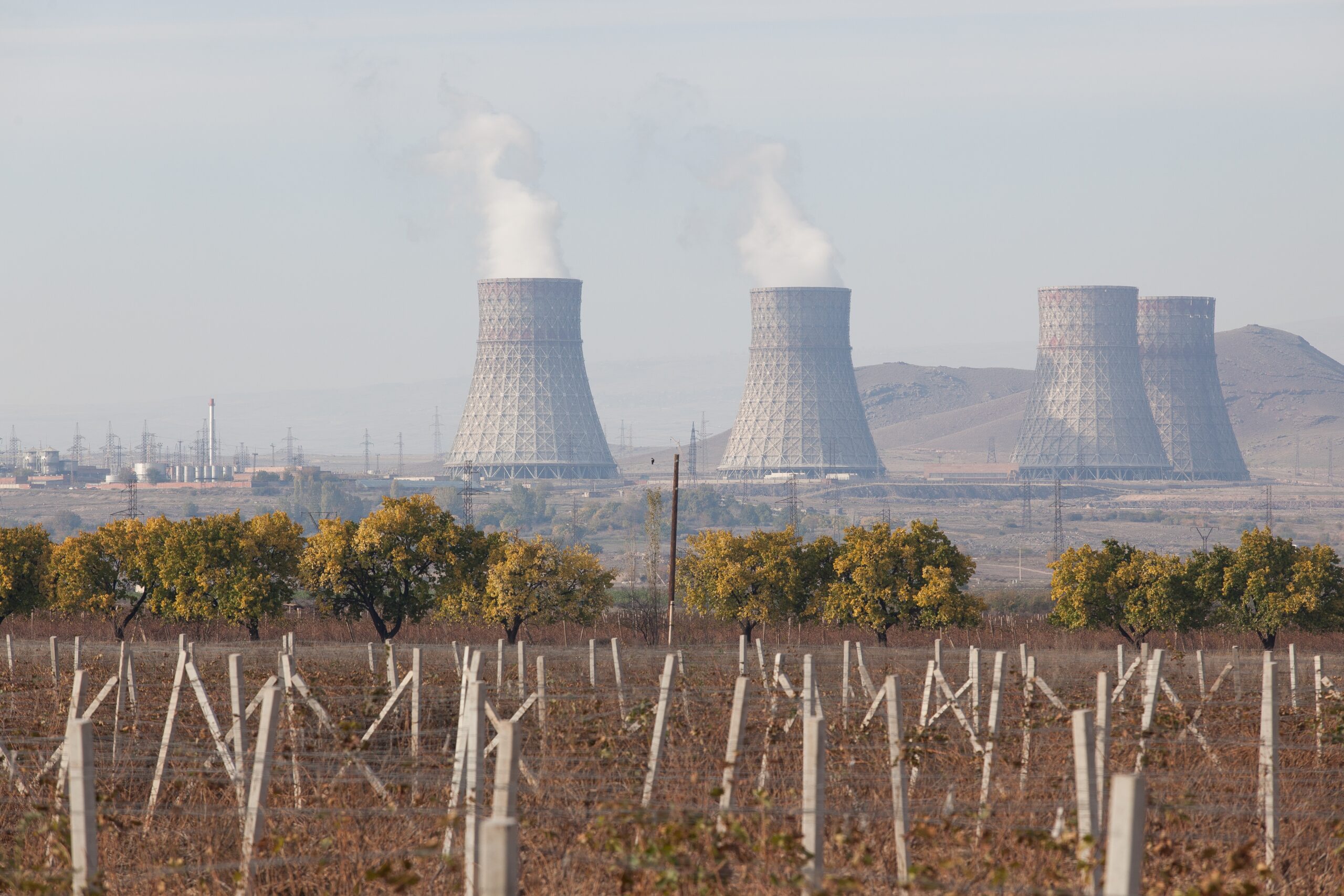
- •The Metsamor Nuclear Power Plant is critical, supplying 31% of Armenia's electricity.
- •Russia has expressed concerns over the safety and feasibility of U.S.-supplied nuclear technology.
Armenia has signed a civil nuclear cooperation agreement with the U.S., marking a significant shift in its energy strategy aimed at reducing dependence on Russia. This agreement allows for U.S. companies to participate in building new nuclear facilities, including Small Modular Reactors (SMRs). The Metsamor Nuclear Power Plant, Armenia's only nuclear facility, currently supplies about 31% of the country's electricity but faces scrutiny due to its aging infrastructure and safety concerns. The agreement has prompted a critical response from Russia, which warns of potential technological risks and frames the U.S. initiative as a geopolitical challenge. Prime Minister Nikol Pashinyan has emphasized the importance of nuclear energy for Armenia's energy security and climate strategy. The ongoing discussions about extending the life of Metsamor and exploring new nuclear capacity are central to Armenia's energy future. The geopolitical implications of this shift are significant, affecting regional stability and energy partnerships.
Ask AI about this cluster
Answers cite the sources they use
Timeline
More articles in this cluster (2)
Continue Reading
 CVE-2015-3306 Exploited in ProFTPD FTP Servers CVE-2015-3306, a vulnerability in ProFTPD 1.3.5, allows remote attackers to read and write arbitrary files using the SITE CPFR and SITE CPTO commands. This exploit can lead to unauthorized access and potential remote code execution, as the commands are executed with the privileges of the ProFTPD service. Active…
  CISA Mandates Urgent Patching of Five Critical Flaws Exploited by Flax Typhoon The U.S. Cybersecurity and Infrastructure Security Agency (CISA) has ordered federal agencies to patch five critical vulnerabilities by October 11, 2026, following exploitation by the China-linked hacking group Flax Typhoon. The vulnerabilities, added to CISA's Known Exploited Vulnerabilities (KEV) catalog, include…