 M.Economictimes
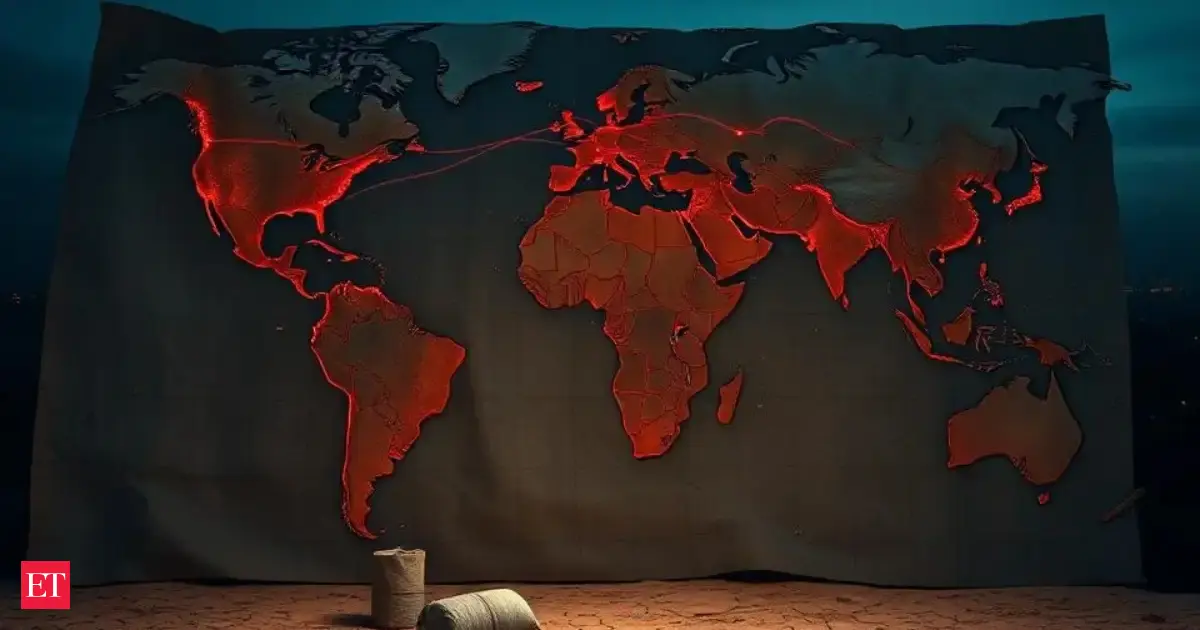
 China and Iran Leverage Economic Power Against U.S. Dominance
Article Content

- •China and Iran are using economic strategies to counter U.S. influence.
- •The closure of the Strait of Hormuz has disrupted global energy markets.
- •Countries are shifting towards domestic production to enhance economic resilience.
In 2026, China and Iran have strategically weaponized their economic influence to counter the United States. China utilized its control over rare earth minerals to negotiate a truce in the ongoing trade war with the U.S., while Iran's closure of the Strait of Hormuz significantly impacted global energy markets, leading to a ceasefire in its conflict with the U.S. and Israel. This dual approach highlights vulnerabilities in U.S. economic dominance and signals a shift towards a new global economic order. Nations worldwide are now investing in domestic production to bolster their economic defenses against these strategic maneuvers. The situation reflects an escalating global economic competition, with the U.S. facing challenges in key industries due to these geopolitical actions.
Ask AI about this cluster
Answers cite the sources they use
Timeline
More articles in this cluster (2)
Continue Reading
 CVE-2015-3306 Exploited in ProFTPD FTP Servers CVE-2015-3306, a vulnerability in ProFTPD 1.3.5, allows remote attackers to read and write arbitrary files using the SITE CPFR and SITE CPTO commands. This exploit can lead to unauthorized access and potential remote code execution, as the commands are executed with the privileges of the ProFTPD service. Active…
  CISA Mandates Urgent Patching of Five Critical Flaws Exploited by Flax Typhoon The U.S. Cybersecurity and Infrastructure Security Agency (CISA) has ordered federal agencies to patch five critical vulnerabilities by October 11, 2026, following exploitation by the China-linked hacking group Flax Typhoon. The vulnerabilities, added to CISA's Known Exploited Vulnerabilities (KEV) catalog, include…