 www.frontiersin.org
 Introduction of AI Bill of Materials (AIBOM) for Enhanced AI System Security
Article Content

- •AIBOM is designed to enhance transparency and security in AI systems.
- •AIBoMGen automates the creation of signed AIBOMs, ensuring artifact integrity.
- •Compliance with frameworks like the EU's AI Act is facilitated by AIBOM's structured documentation.
The AI Bill of Materials (AIBOM) has been proposed as a standardized framework to enhance the transparency and security of AI systems. This framework extends the existing Software Bill of Materials (SBOM) to include specific AI-related artifacts such as model lineage and training provenance. A proof-of-concept platform, AIBoMGen, automates the generation of signed AIBOMs, ensuring integrity through cryptographic methods. Evaluations show that AIBoMGen can detect unauthorized modifications and generate AIBOMs with minimal performance impact. The implementation of AIBOM is crucial for compliance with regulatory frameworks like the EU's AI Act, which mandates strict documentation for AI systems. The lack of transparency in AI models poses risks, especially in sensitive environments, making the AIBOM framework essential for establishing trust and accountability. The proposed methodologies aim to operationalize AIBOM within Trusted Research Environments (TREs), addressing gaps in software provenance and vulnerability exposure. Overall, AIBOM represents a significant step towards securing AI systems and ensuring their responsible use.
Ask AI about this cluster
Answers cite the sources they use
Timeline
More articles in this cluster (2)
Continue Reading
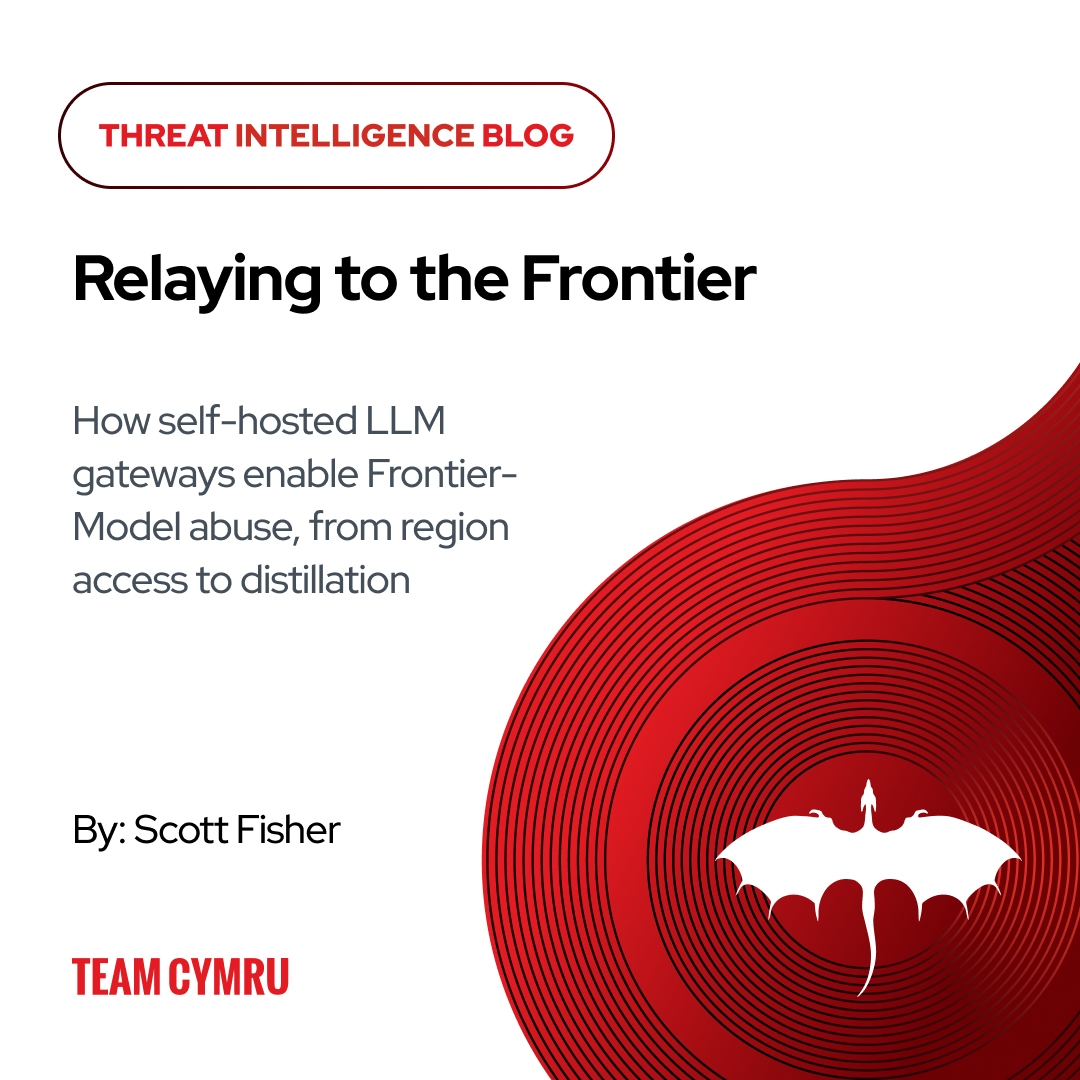 Massive Network of AI Proxy Servers Used for Malicious Activities Uncovered Security researchers from Team Cymru have identified over 10,000 proxy servers in China facilitating malicious AI activities. These servers, termed 'transfer stations,' are primarily used to bypass geographic restrictions and conduct model distillation attacks against frontier AI models. The infrastructure allows…
  Critical RCE Vulnerability in F5 BIG-IP APM Exploited in the Wild A severe heap-based buffer overflow vulnerability, tracked as CVE-2026-94127, has been identified in F5 BIG-IP Access Policy Manager (APM), allowing unauthenticated remote code execution (RCE) on the Traffic Management Microkernel (TMM) data plane. This vulnerability is triggered when both an APM access policy and an…