 Jns
Jns Iran and Russia Utilize Caspian Sea for Drone Component Shipments Amid U.S. Blockade
Article Content

- •Iran is importing drone components from Russia via the Caspian Sea to bypass U.S. blockades.
- •The Caspian Sea has become a crucial trade route for Iran, with four ports operating continuously.
- •Israel has targeted Iranian naval infrastructure in response to these shipments, expanding the conflict's maritime scope.
Iran is importing drone components from Russia via the Caspian Sea, circumventing U.S. naval blockades in the Strait of Hormuz. This trade route has become essential for Tehran as it seeks alternative supplies due to ongoing sanctions. Four Iranian ports are actively receiving various goods, including drone parts, which could help Iran rebuild its UAV arsenal, reportedly reduced by 60% in recent conflicts. U.S. officials have noted that the Caspian Sea is an ideal location for sanction evasion and military transfers. The ongoing trade supports both nations' military capabilities, with Israel responding by targeting Iranian naval infrastructure in the region. The situation highlights the geopolitical complexities surrounding U.S. military presence and regional alliances.
Ask AI about this cluster
Answers cite the sources they use
Timeline
More articles in this cluster (2)
Continue Reading
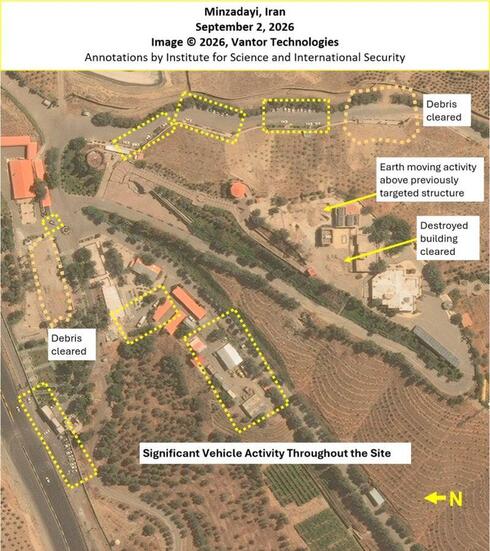 Renewed Activity at Iranian Nuclear Site Post-Israeli Strike Recent satellite images reveal significant renewed activity at the Minzadehei nuclear site in Iran, which was struck by Israel during Operation Roaring Lion in March 2026. High-resolution imagery from VANTOR Technologies shows regular vehicle traffic and ongoing earthworks at the site, indicating efforts to restore…