 Theregister
Iran Conflict Escalates with Underwater Drone Attacks on Maritime Targets
Article Content

- •Iran has conducted two underwater drone attacks on oil tankers in the Gulf since March 1, 2026.
- •The US and UK are seeking technology solutions to counter the threat of autonomous underwater vehicles.
- •The US has deployed uncrewed drone boats as part of Operation Epic Fury to patrol Middle Eastern waters.
The ongoing conflict between the US, Israel, and Iran has intensified, with Iran reportedly conducting two underwater drone attacks on oil tankers in the Gulf. The first attack occurred on March 1, 2026, approximately 44 nautical miles off Oman, followed by a second attack on March 5, targeting a Bahamas-flagged tanker near Iraq's Khor Al Zubair. In response, the US and UK are seeking technological solutions to counter the threat posed by autonomous underwater vehicles (AUVs) through a program called REEF. The US has also deployed uncrewed drone boats, known as Global Autonomous Reconnaissance Craft (GARC), as part of Operation Epic Fury, logging over 450 hours and 2,200 nautical miles in patrols. The situation has led to heightened concerns about maritime security in the region, particularly regarding the Strait of Hormuz, which Iran has effectively closed to commercial shipping. The conflict has resulted in rising oil prices and increased military presence in the area, with the US considering additional troop deployments.
Ask AI about this cluster
Answers cite the sources they use
Timeline
More articles in this cluster (4)
Continue Reading
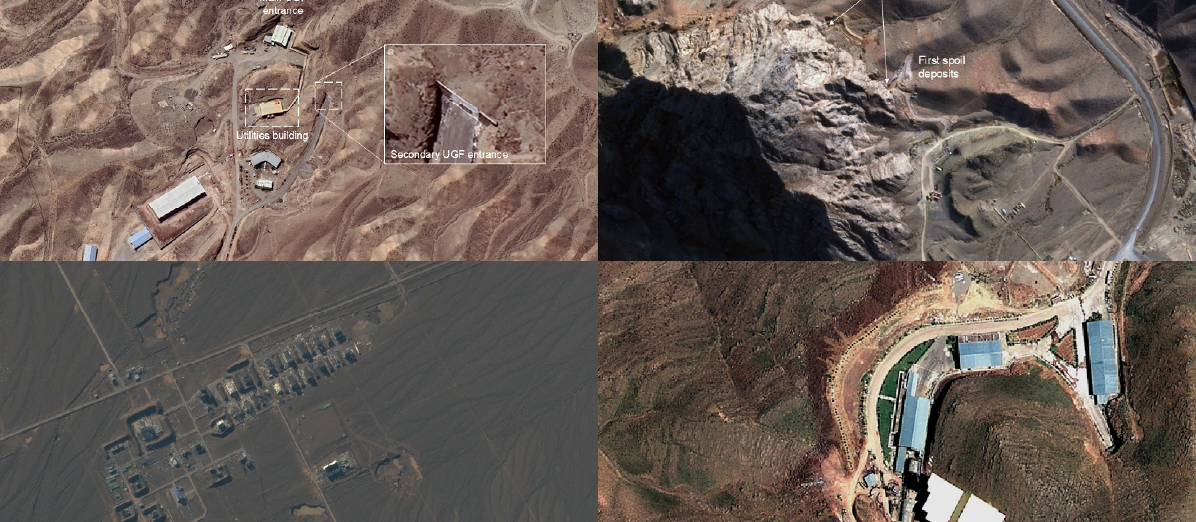 Iran Enhances Missile Production and Nuclear Site Defenses Amid Military Escalation Iran has reportedly resumed ballistic missile assembly in underground facilities, particularly at Khojir, following a Wall Street Journal report. This activity coincides with the construction of earthen mounds around key nuclear sites like Natanz to deter potential US or Israeli ground attacks. Recent military…
 Iranian Attacks Disrupt Aluminium Supply Chain Amid Rising Prices Iranian missile attacks on Gulf smelters and the blockade of the Strait of Hormuz have resulted in a loss of nearly 3 million metric tons of aluminium production capacity. Despite this disruption, aluminium prices remain stable, trading above $3,000 per ton. The International Aluminium Institute reported that Gulf…