 Bleepingcomputer
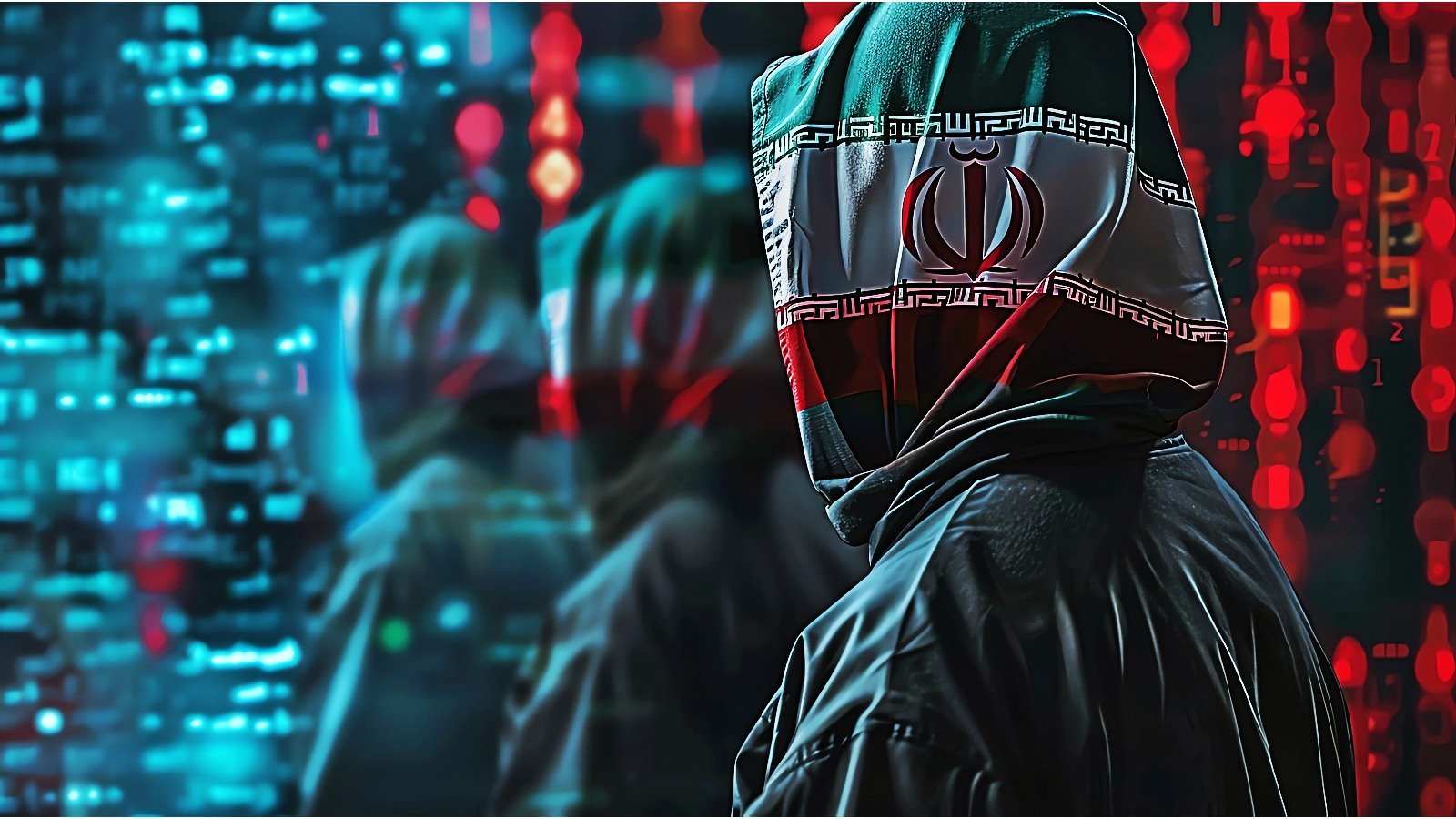
 Iranian APT MuddyWater Uses Chaos Ransomware as a False Flag for Espionage
Article Content

- •MuddyWater impersonated Chaos ransomware to mask espionage activities.
- •Attack methods included social engineering via Microsoft Teams and credential theft.
- •The operation focused on data exfiltration rather than encryption, complicating attribution.
In early 2026, the Iranian APT group MuddyWater, affiliated with the Ministry of Intelligence and Security, executed a sophisticated cyber operation disguised as a Chaos ransomware attack. Utilizing social engineering tactics via Microsoft Teams, they gained access to an unnamed organization's systems, harvesting credentials and manipulating multi-factor authentication (MFA). The attackers established persistence using remote access tools like DWAgent and AnyDesk, focusing on data exfiltration rather than traditional ransomware tactics. This operation is characterized as a false flag, aimed at masking espionage activities while complicating attribution. Rapid7's analysis revealed specific technical artifacts linking the incident to MuddyWater, including a unique code-signing certificate. The campaign reflects a growing trend of state-sponsored actors adopting criminal methodologies to obscure their true intentions. The incident highlights the need for defenders to look beyond conventional ransomware indicators to identify underlying threats.
Ask AI about this cluster
Answers cite the sources they use
Timeline
More articles in this cluster (20)
Following this threat?
Track Chaos, Mango Sandstorm and Darkcomp in your own feed — you're alerted when they show up in new reporting, leak sites or exploitation.
Free account · no card needed
Continue Reading
 Photon Health Data Breach Exposes Patient Information Photon Health, a Brooklyn-based healthcare technology company, disclosed a data breach on October 8, 2026, affecting patient data due to unauthorized access via a zero-day vulnerability in the Metabase application. The breach was discovered on August 21, 2026, after the Direwolf ransomware group claimed responsibility…
  CISA Mandates Urgent Patching of Five Critical Flaws Exploited by Flax Typhoon The U.S. Cybersecurity and Infrastructure Security Agency (CISA) has ordered federal agencies to patch five critical vulnerabilities by October 11, 2026, following exploitation by the China-linked hacking group Flax Typhoon. The vulnerabilities, added to CISA's Known Exploited Vulnerabilities (KEV) catalog, include…