 Theregister
 JAXA's H3 Rocket Mission Failure Due to Adhesive Manufacturing Flaw
Article Content

- •JAXA's H3 rocket mission failed due to a manufacturing flaw in an adhesive component.
- •The failure led to the loss of the satellite and highlighted critical engineering challenges.
- •JAXA plans to revise its manufacturing processes and possibly redesign the H3 rocket.
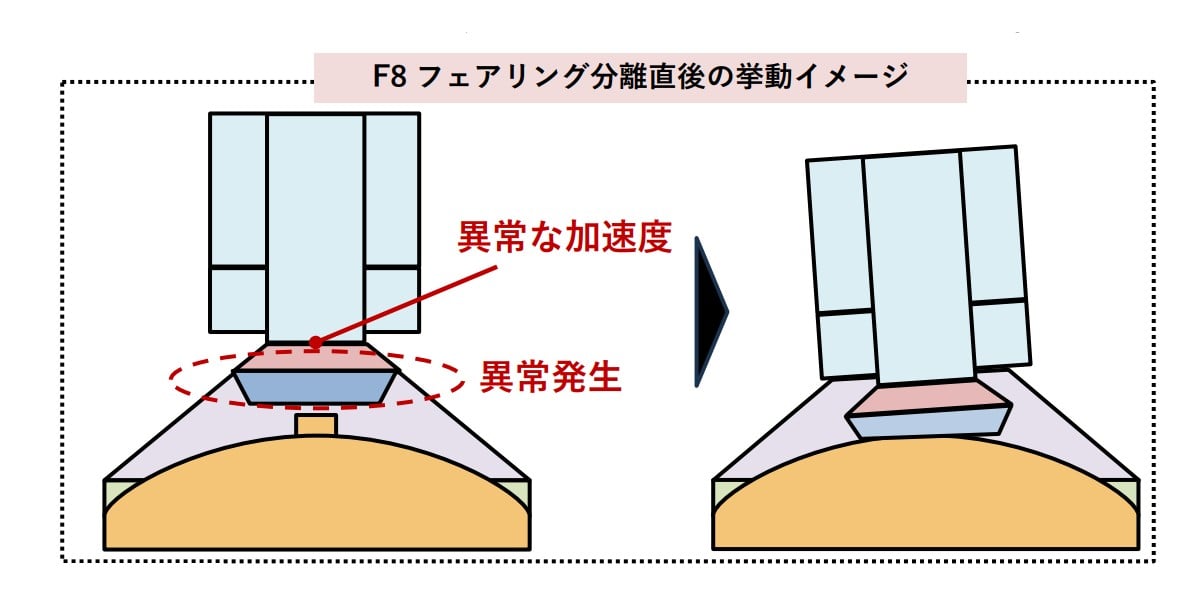
In December 2025, Japan's space agency JAXA experienced a mission failure during a satellite launch using the H3 rocket. The failure was attributed to a manufacturing process that did not account for the adhesive properties under high temperatures, leading to component delamination. This resulted in the satellite moving unexpectedly, breaking a fuel pipe and causing the second stage ignition to occur late. The satellite was lost, and JAXA has committed to revisiting its manufacturing processes and possibly redesigning the H3 rocket. The incident highlights the complexities of space engineering and the potential for minor errors to lead to significant failures. JAXA has previously achieved notable successes, including asteroid sample returns and ISS missions.
Ask AI about this cluster
Answers cite the sources they use
Timeline
More articles in this cluster (2)
Continue Reading
 CVE-2015-3306 Exploited in ProFTPD FTP Servers CVE-2015-3306, a vulnerability in ProFTPD 1.3.5, allows remote attackers to read and write arbitrary files using the SITE CPFR and SITE CPTO commands. This exploit can lead to unauthorized access and potential remote code execution, as the commands are executed with the privileges of the ProFTPD service. Active…
  CISA Mandates Urgent Patching of Five Critical Flaws Exploited by Flax Typhoon The U.S. Cybersecurity and Infrastructure Security Agency (CISA) has ordered federal agencies to patch five critical vulnerabilities by October 11, 2026, following exploitation by the China-linked hacking group Flax Typhoon. The vulnerabilities, added to CISA's Known Exploited Vulnerabilities (KEV) catalog, include…