 cofense.com
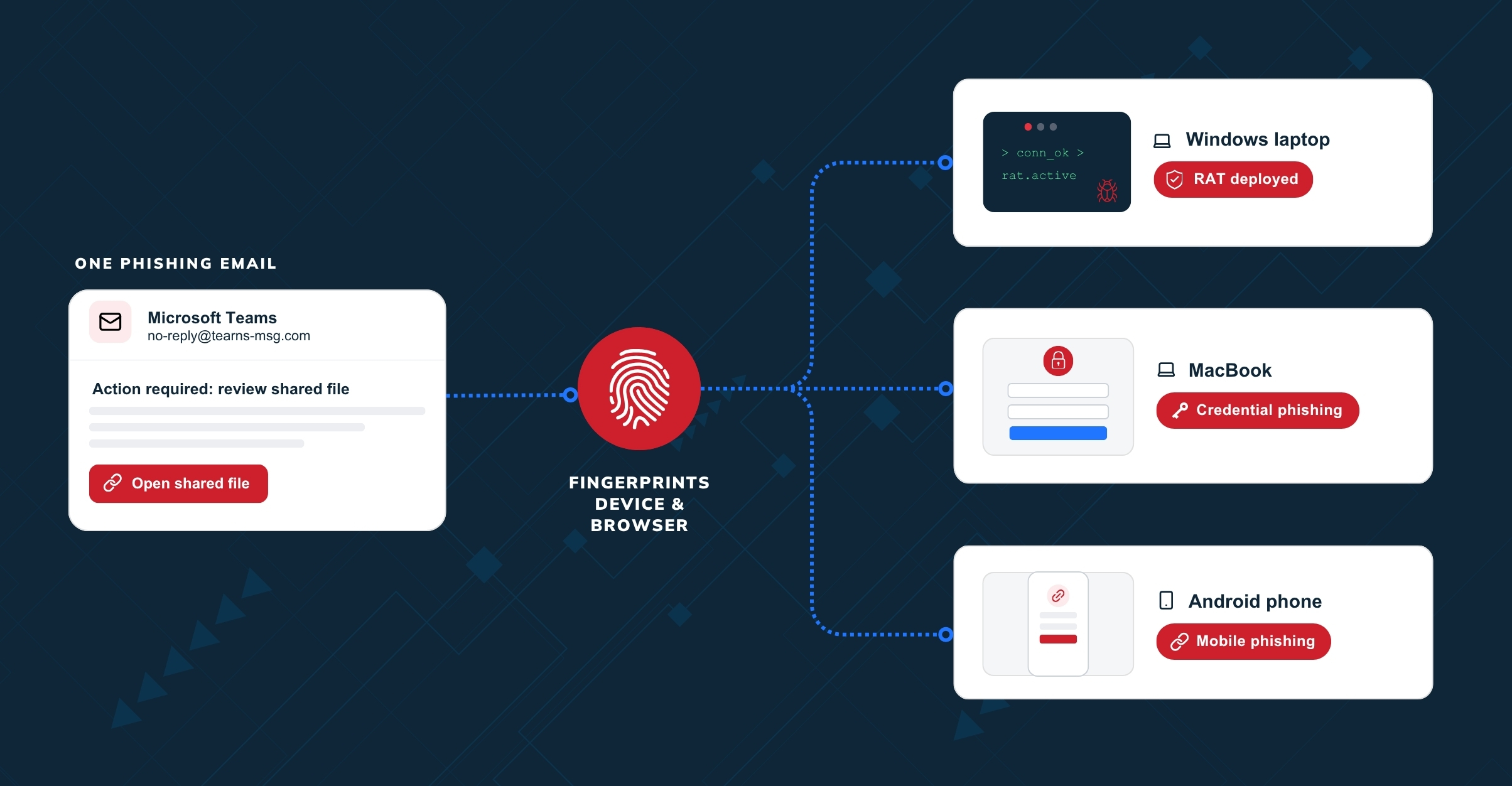
Phishing Campaigns Evolve to Target Specific Devices and Operating Systems
Ask AI about this cluster
Analyzing cluster data...
Referenced clusters:
Something went wrong. Please try again.
Cluster AI
Ask questions about this threat cluster with AI-powered analysis.
Get Researcher $29.99/moArticle Content
Recent research indicates a significant evolution in phishing tactics, with threat actors moving from generic attacks to sophisticated, platform-aware campaigns. These modern phishing operations utilize user-agent data to tailor their payloads to the victim's device and operating system, increasing the likelihood of compromise. Cofense Intelligence reports that attackers are now delivering targeted emails with complex narratives and multi-stage infection chains. This shift has been driven by improvements in secure email gateways and the use of AI in email defenses, making traditional phishing methods less effective. The campaigns can deliver various malware, including remote access tools, depending on the victim's environment. The use of legitimate tools as malware makes detection more challenging for automated defenses. Additionally, threat actors are leveraging platforms like Telegram for data exfiltration, showcasing a trend towards more sophisticated cybercrime operations.
Key Points: • Phishing tactics have evolved to use user-agent data for targeted attacks. • Modern campaigns deliver OS-specific malware, increasing compromise rates. • Threat actors are using legitimate tools as malware to evade detection.