 Montclair.Edu
 Phishing Threats Persist as Cybersecurity Awareness Campaigns Continue
Article Content

- •Phishing scams are becoming more sophisticated, often using AI to enhance deception.
- •Common oversights like delayed updates and reused passwords significantly increase breach risks.
- •Continuous education and vigilance are essential in combating phishing threats.
Recent articles highlight ongoing phishing threats affecting both individuals and organizations. The Huntress article emphasizes the importance of addressing common cybersecurity oversights, such as delayed updates and reused passwords, which can lead to credential theft and other attacks. It notes that attackers have refined their techniques, making phishing attempts more convincing, particularly through the use of AI. The Montclair.Edu article discusses the university's Phish Files series, which shares real phishing attempts and offers tips for protecting personal information. While the series is on hiatus, it stresses the need for vigilance against phishing scams. Both articles underscore the need for continuous education and proactive measures to combat these threats. The Huntress report indicates a rise in remote monitoring and management (RMM) abuse and infostealer activity. The overall cybersecurity landscape remains challenging as attackers adapt their strategies.
Ask AI about this cluster
Answers cite the sources they use
Timeline
More articles in this cluster (2)
Following this threat?
Track ClickFix in your own feed — you're alerted when they show up in new reporting, leak sites or exploitation.
Free account · no card needed
Continue Reading
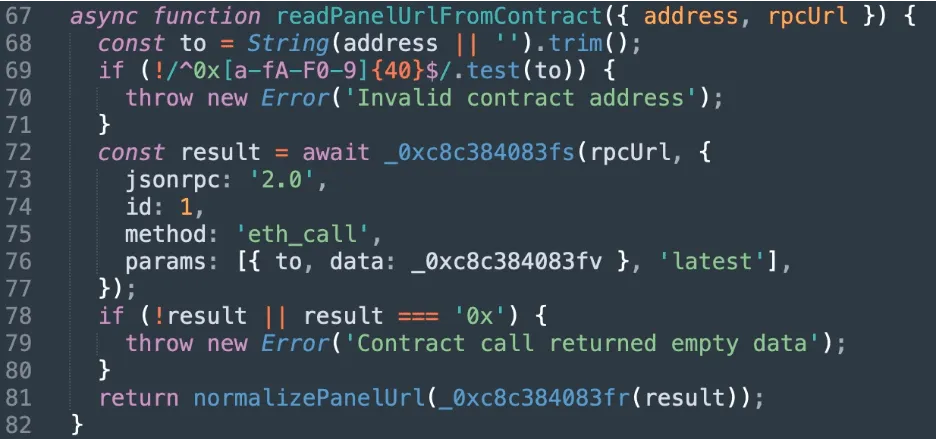 New ChainScript RAT Exploits ClickFix Lures with Blockchain C2 A newly discovered Node.js remote access trojan (RAT) named ChainScript is being deployed through ClickFix social engineering tactics, targeting Windows systems. The malware utilizes a unique command-and-control (C2) discovery method by querying a Polygon blockchain smart contract to dynamically rotate its server…
  Cybercriminals Exploit ChatGPT Custom GPTs for ClickFix RAT Attacks A new ClickFix campaign has been discovered that exploits ChatGPT Custom GPTs to impersonate legitimate products, luring users into executing malicious code. Cybersecurity firm Huntress reported that at least 40 users have been infected, with two confirmed incidents linked to Custom GPT instances. The attackers…