 Cfr
Cfr Southeast Asia Shifts Preference from US to China Amid Geopolitical Concerns
Article Content

- •52% of Southeast Asian respondents prefer China over the US as a partner.
- •Concerns about US leadership have surpassed worries about China's South China Sea actions.
- •The survey reflects a significant decline in US influence in Southeast Asia.
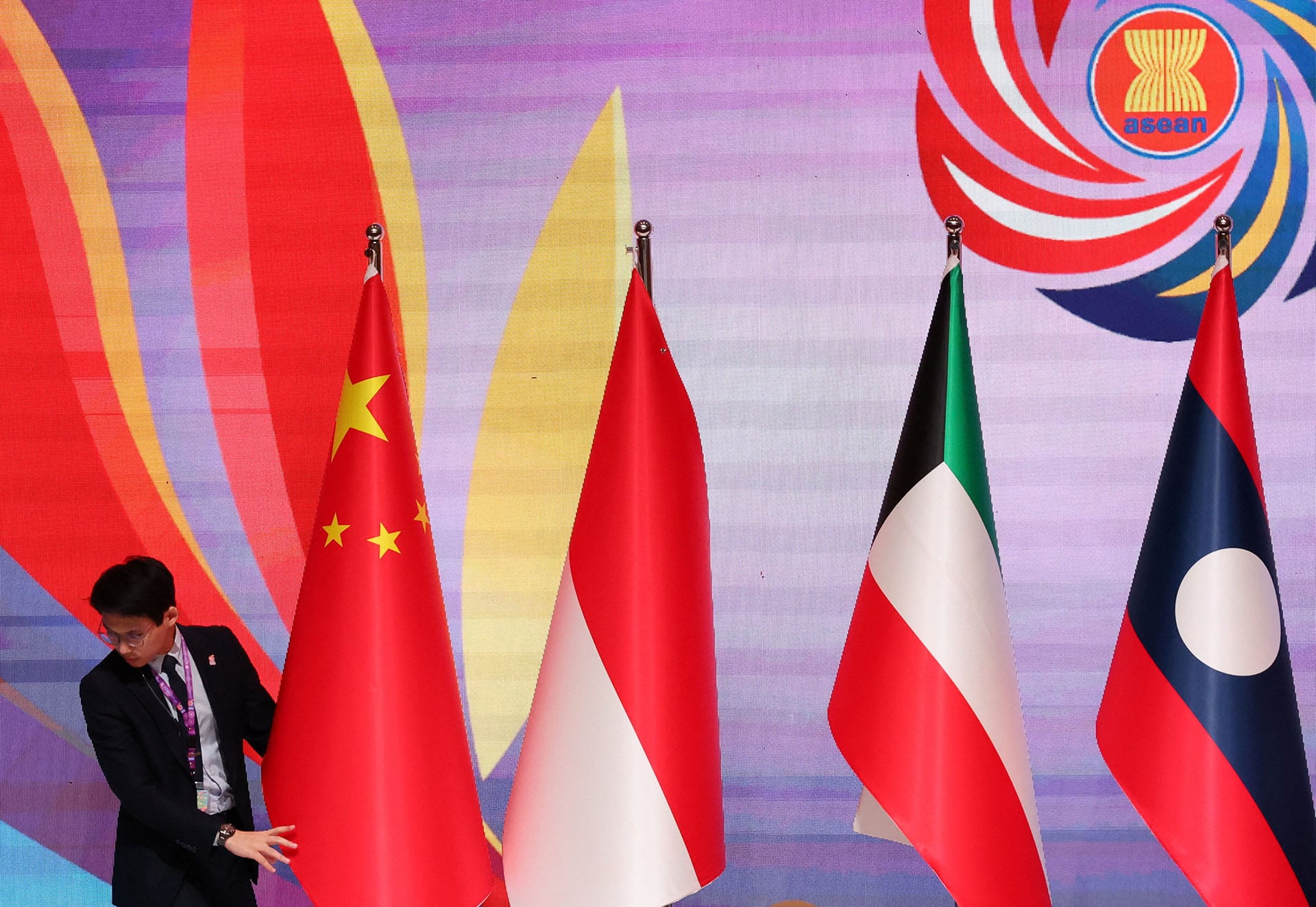
A recent survey by the ISEAS-Yusof Ishak Institute reveals a significant shift in Southeast Asia's geopolitical preferences, with 52% of respondents favoring China over the US, which received 48%. This marks a reversal from the previous year when 52.3% preferred the US. The survey included 2,008 participants from 11 ASEAN countries, highlighting a growing concern over US global leadership, particularly under President Trump. Over half of the respondents now cite US leadership as their primary geopolitical worry, surpassing concerns about China's actions in the South China Sea. Countries like Indonesia, Malaysia, Thailand, and Singapore show stronger support for China, indicating a broader regional trend. The findings reflect a decline in US influence and a potential realignment of partnerships in Southeast Asia as the region navigates complex geopolitical dynamics.
Ask AI about this cluster
Answers cite the sources they use
Timeline
More articles in this cluster (2)
Continue Reading
 CVE-2015-3306 Exploited in ProFTPD FTP Servers CVE-2015-3306, a vulnerability in ProFTPD 1.3.5, allows remote attackers to read and write arbitrary files using the SITE CPFR and SITE CPTO commands. This exploit can lead to unauthorized access and potential remote code execution, as the commands are executed with the privileges of the ProFTPD service. Active…
  CISA Mandates Urgent Patching of Five Critical Flaws Exploited by Flax Typhoon The U.S. Cybersecurity and Infrastructure Security Agency (CISA) has ordered federal agencies to patch five critical vulnerabilities by October 11, 2026, following exploitation by the China-linked hacking group Flax Typhoon. The vulnerabilities, added to CISA's Known Exploited Vulnerabilities (KEV) catalog, include…