 Cyberscoop
 Supreme Court to Rule on Geofence Warrants and Digital Privacy Rights
Article Content

- •The Supreme Court will hear a pivotal case on geofence warrants on April 27, 2026.
- •Okello Chatrie's conviction was based on location data obtained through a geofence warrant.
- •Bipartisan support exists for limiting government access to digital data without a warrant.
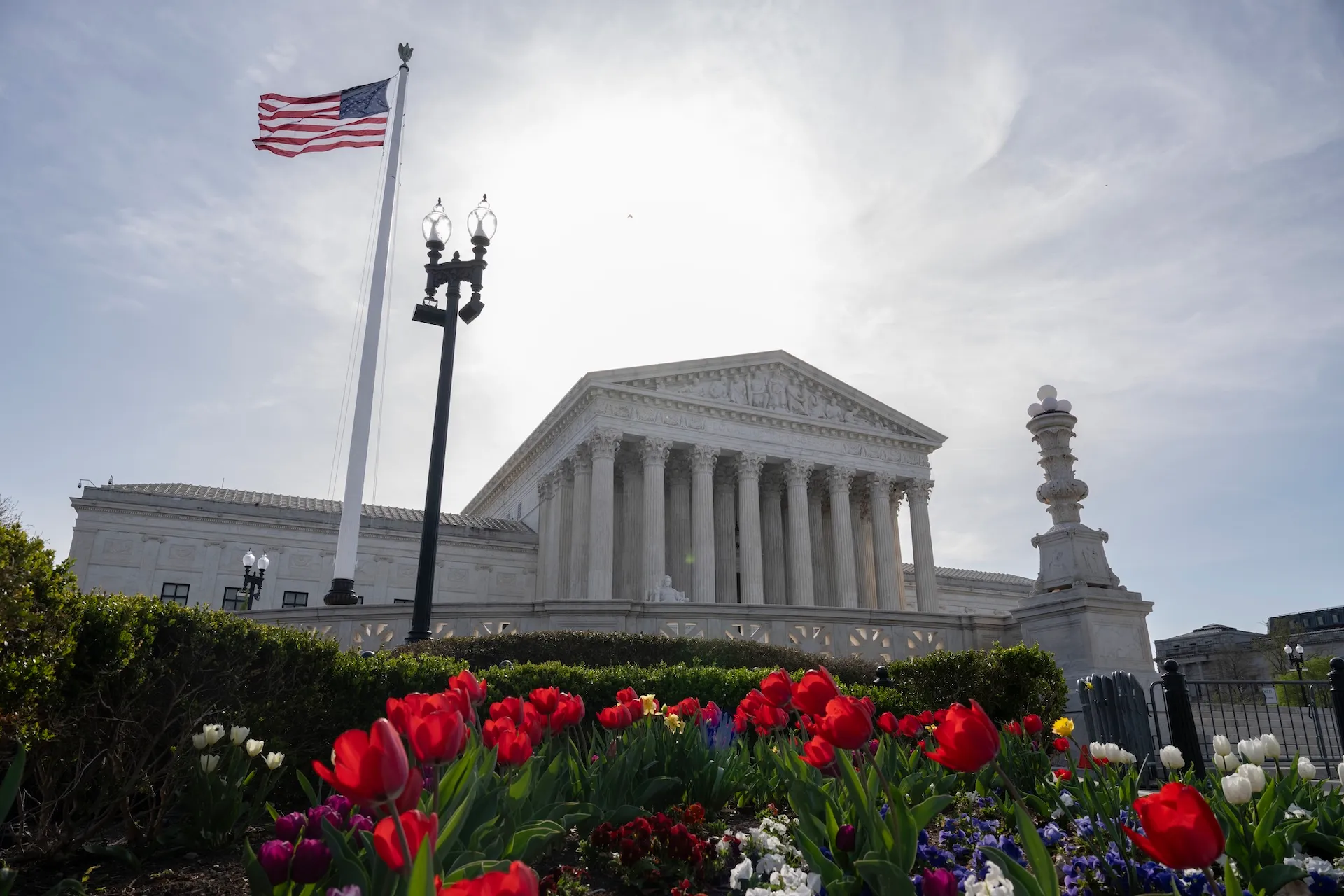
The Supreme Court is set to hear oral arguments on April 27, 2026, in the case of Chatrie v. The United States, which challenges the legality of geofence warrants under the Fourth Amendment. The case involves Okello Chatrie, who was convicted of a bank robbery in 2019 based on location data obtained from Google through a geofence warrant. This legal tool allows law enforcement to access digital data from all devices in a specified area during a specific time frame. The implications of the ruling could significantly affect digital privacy rights and the government's ability to collect data without a warrant. Both conservative and liberal groups support Chatrie's position, indicating a rare bipartisan concern over privacy issues. The case follows the Supreme Court's 2018 decision in Carpenter v. The United States, which limited the government's access to cell site location information. The outcome may also influence future legislation regarding digital data privacy and law enforcement practices.
Ask AI about this cluster
Answers cite the sources they use
Timeline
More articles in this cluster (10)
Continue Reading
 CVE-2015-3306 Exploited in ProFTPD FTP Servers CVE-2015-3306, a vulnerability in ProFTPD 1.3.5, allows remote attackers to read and write arbitrary files using the SITE CPFR and SITE CPTO commands. This exploit can lead to unauthorized access and potential remote code execution, as the commands are executed with the privileges of the ProFTPD service. Active…
  CISA Mandates Urgent Patching of Five Critical Flaws Exploited by Flax Typhoon The U.S. Cybersecurity and Infrastructure Security Agency (CISA) has ordered federal agencies to patch five critical vulnerabilities by October 11, 2026, following exploitation by the China-linked hacking group Flax Typhoon. The vulnerabilities, added to CISA's Known Exploited Vulnerabilities (KEV) catalog, include…