 Dailysabah
 Trump Expands Sanctions on Cuba Amid Economic Crisis
Article Content

- •Trump's executive order expands sanctions to foreign banks aiding Cuba.
- •Sanctions target key economic sectors and individuals linked to human rights abuses.
- •Cuba's government has condemned the sanctions as collective punishment.
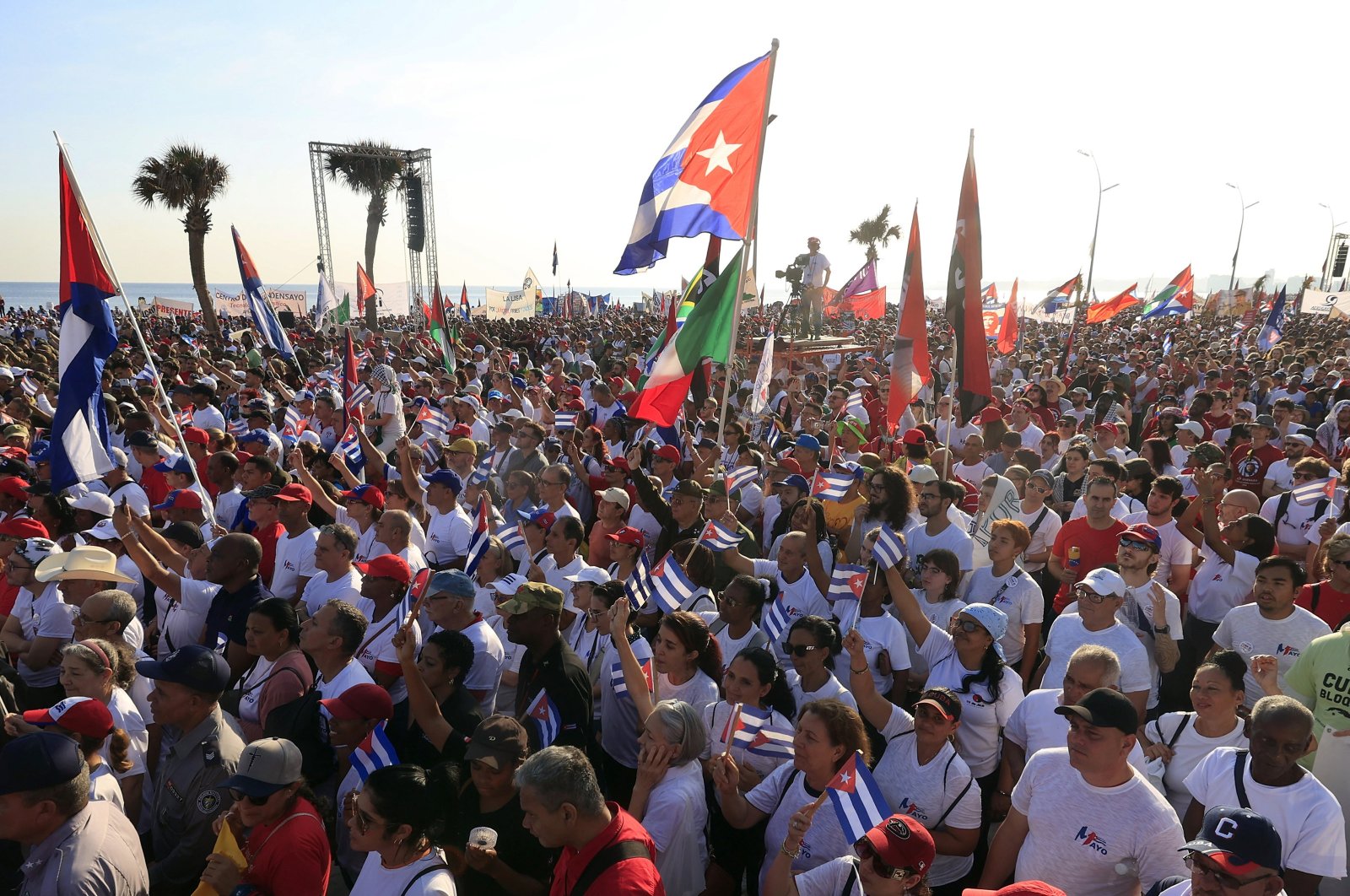
On May 1, 2026, President Donald Trump signed an executive order imposing extensive sanctions on the Cuban government, targeting individuals, entities, and foreign banks supporting the regime. The sanctions aim to freeze assets and block financial transactions linked to key sectors such as energy, defense, finance, and mining. This marks a significant escalation in U.S. pressure on Cuba, particularly after the recent economic crisis exacerbated by the cessation of oil shipments from Venezuela. The order allows for secondary sanctions against foreign banks facilitating transactions with sanctioned individuals, potentially isolating Cuba from the global banking system. The measures also include restrictions on family members of sanctioned individuals and are intended to address human rights abuses and corruption within the Cuban government. The Cuban government has condemned these actions as violations of international law. The scope of these sanctions is extensive, affecting not only U.S. entities but also foreign businesses operating in Cuba. The current status indicates that the sanctions are now in effect, with ongoing implications for international relations and economic conditions in Cuba.
Ask AI about this cluster
Answers cite the sources they use
Timeline
More articles in this cluster (67)
Following this threat?
Track cuba in your own feed — you're alerted when they show up in new reporting, leak sites or exploitation.
Free account · no card needed
Continue Reading
 Critical Zero-Day Exploited in BeyondTrust Remote Support by China-linked Group A critical vulnerability in BeyondTrust Remote Support, tracked as CVE-2026-102764 with a CVSS score of 9.3, has been exploited by the China-linked espionage group Armory Castle since August 29, 2026. This flaw allows unauthenticated remote attackers to perform file operations, gaining root control and access to…
  CISA Warns of Exploited Vulnerabilities in ProFTPD, ONLYOFFICE, Strapi, and More The U.S. Cybersecurity and Infrastructure Security Agency (CISA) added five vulnerabilities to its Known Exploited Vulnerabilities (KEV) catalog, including critical flaws in ProFTPD, ONLYOFFICE Docs, Strapi, Apache Struts, and ISC BIND. These vulnerabilities are being by Chinese actors for cyber espionage, targeting…