 Kyivindependent
Ukraine Detects Depleted Uranium in Russian Missile Attack on Chernihiv Oblast
Ask AI about this cluster
Analyzing cluster data...
Referenced clusters:
Something went wrong. Please try again.
Cluster AI
Ask questions about this threat cluster with AI-powered analysis.
Get Researcher $29.99/moArticle Content
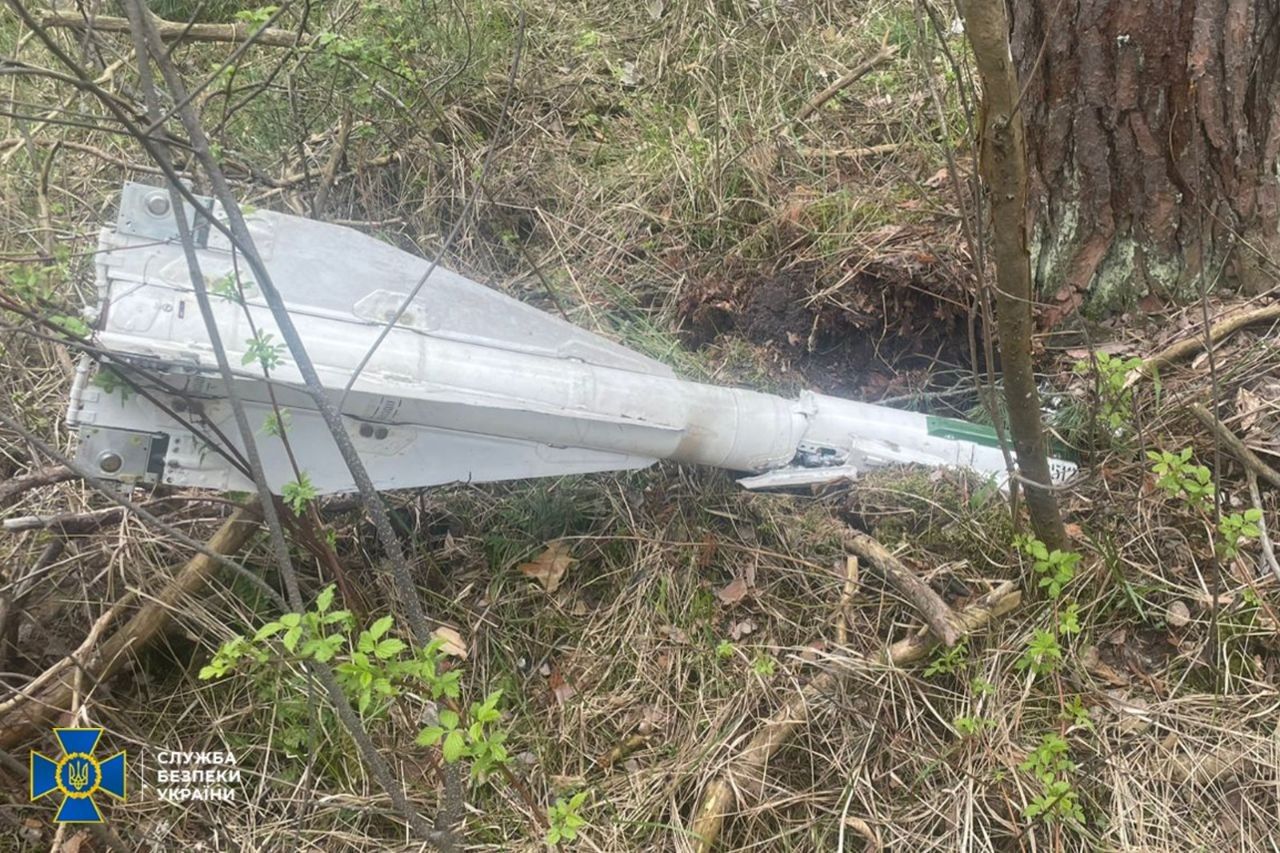
On May 20, 2026, Ukraine's Security Service (SBU) reported that an R-60 missile used in a Russian drone attack on Chernihiv Oblast contained depleted uranium. Elevated radiation levels of 12 micro-Sieverts per hour were detected from the missile fragments, which were integrated into a modified Geran-2 drone during an attack on April 6-7. The SBU has secured the missile's warhead and transported it to a radioactive waste facility, warning citizens about the dangers of encountering debris. A pre-trial investigation for war crimes has been initiated under Article 438 of Ukraine's Criminal Code. NATO Secretary-General Mark Rutte emphasized that any use of nuclear weapons by Russia would provoke a devastating response from NATO. The situation remains critical as Russia conducts joint nuclear drills with Belarus amid rising tensions.
Key Points: • Depleted uranium was found in a Russian missile used in a drone attack on Ukraine. • Radiation levels detected were significantly above natural background levels, posing health risks. • A pre-trial investigation into potential war crimes has been launched by Ukrainian authorities.