 Dw
Dw US-Iran Peace Talks Fail Over Nuclear Program Concerns
Article Content

- •US-Iran peace talks failed over nuclear program disagreements.
- •Iran plans to increase nuclear electricity capacity to 20 gigawatts by 2041.
- •The Bushehr nuclear plant's costs have significantly exceeded initial estimates.
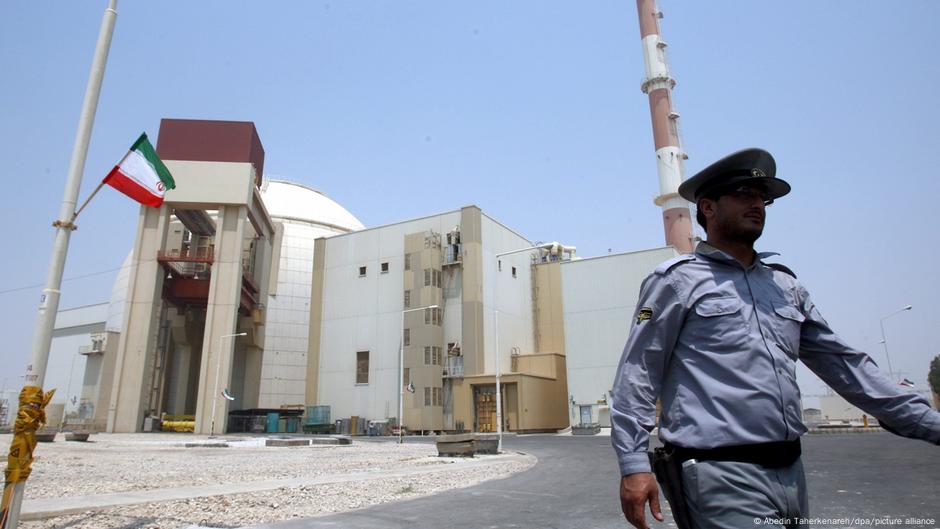
Peace talks between the United States and Iran in Islamabad on April 16, 2026, ended without agreement, primarily due to disagreements over Iran's nuclear program. US Vice President JD Vance emphasized that the core demand from Washington is Iran's commitment to not pursue nuclear weapons. Iran's nuclear ambitions have been a significant barrier to normalized relations with the West for over two decades, contributing to US-Israeli military actions in 2025. Tehran aims to increase its nuclear electricity generation capacity to 20 gigawatts by 2041, despite its current nuclear output being minimal. The Bushehr power plant, Iran's only operational nuclear facility, has been costly, with estimates suggesting it may have exceeded initial budget projections by up to tenfold. Iran's insistence on uranium enrichment for electricity generation raises concerns about its true intentions. The lack of independent oversight complicates the assessment of costs and benefits associated with the nuclear program.
Ask AI about this cluster
Answers cite the sources they use
Timeline
More articles in this cluster (2)
Continue Reading
 CVE-2015-3306 Exploited in ProFTPD FTP Servers CVE-2015-3306, a vulnerability in ProFTPD 1.3.5, allows remote attackers to read and write arbitrary files using the SITE CPFR and SITE CPTO commands. This exploit can lead to unauthorized access and potential remote code execution, as the commands are executed with the privileges of the ProFTPD service. Active…
  CISA Mandates Urgent Patching of Five Critical Flaws Exploited by Flax Typhoon The U.S. Cybersecurity and Infrastructure Security Agency (CISA) has ordered federal agencies to patch five critical vulnerabilities by October 11, 2026, following exploitation by the China-linked hacking group Flax Typhoon. The vulnerabilities, added to CISA's Known Exploited Vulnerabilities (KEV) catalog, include…