 Scmp
Scmp
US-North Korea Diplomacy Stalemate Risks Increased Military Tensions
Ask AI about this cluster
Analyzing cluster data...
Referenced clusters:
Something went wrong. Please try again.
Cluster AI
Ask questions about this threat cluster with AI-powered analysis.
Get Researcher $29.99/moArticle Content
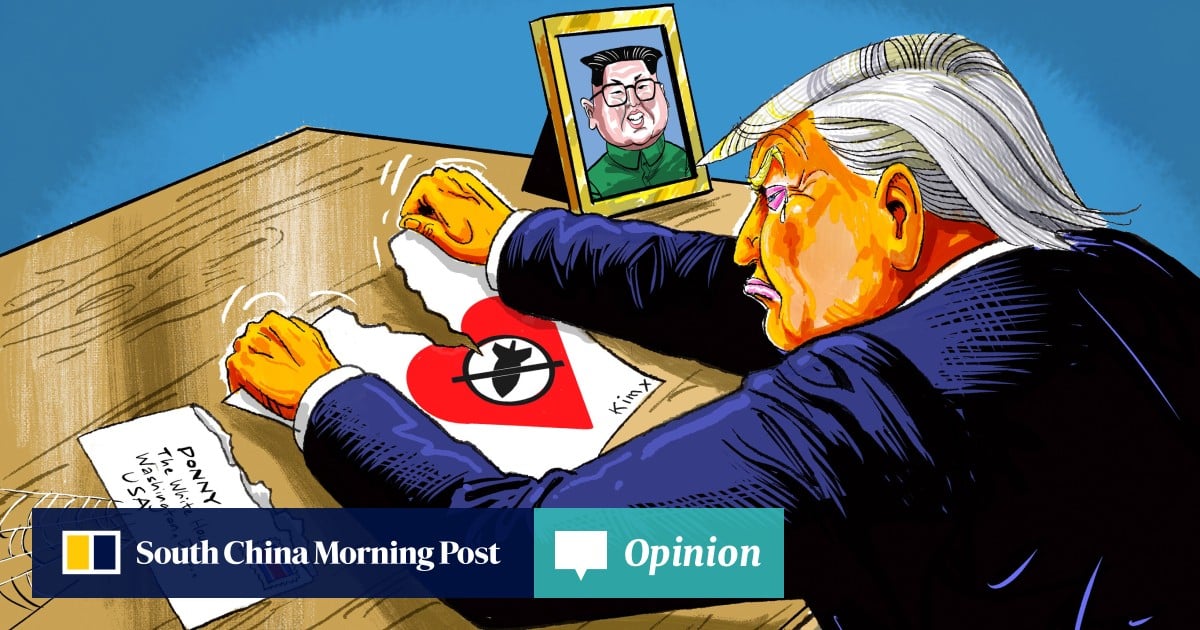
The ongoing diplomatic efforts between the U.S. and North Korea face significant challenges as North Korea continues to enhance its nuclear capabilities. Recent comments from Russian officials have indicated a shift in their stance, effectively accepting North Korea's nuclear status. Chinese President Xi Jinping's visit to Pyongyang suggests that China may also be moving away from advocating for denuclearization. This leaves the U.S. increasingly isolated in its insistence on denuclearization as a policy goal. The lack of negotiations allows North Korea to strengthen its nuclear deterrent, raising concerns about future military tensions on the Korean Peninsula. The U.S. administration's approach has become more personalized and less process-driven, which may hinder effective negotiation strategies. The current status indicates a diplomatic stalemate with no immediate resolution in sight.
Key Points: • North Korea is enhancing its nuclear capabilities while the U.S. remains isolated in its denuclearization efforts. • China and Russia appear to be accepting North Korea's nuclear status, complicating U.S. diplomacy. • The U.S. administration's personalized approach to foreign policy may limit effective negotiation outcomes.