 Atlanticcouncil
 US Nuclear Strategy Reassessment Amidst Expired Arms Control Treaties
Article Content

- •New START treaty expired in February 2026, requiring a reassessment of US nuclear strategy.
- •China's nuclear arsenal is projected to grow to 1,500 warheads by 2035, complicating US deterrence efforts.
- •The US must balance modernization of its nuclear forces with arms control to avoid escalating tensions.
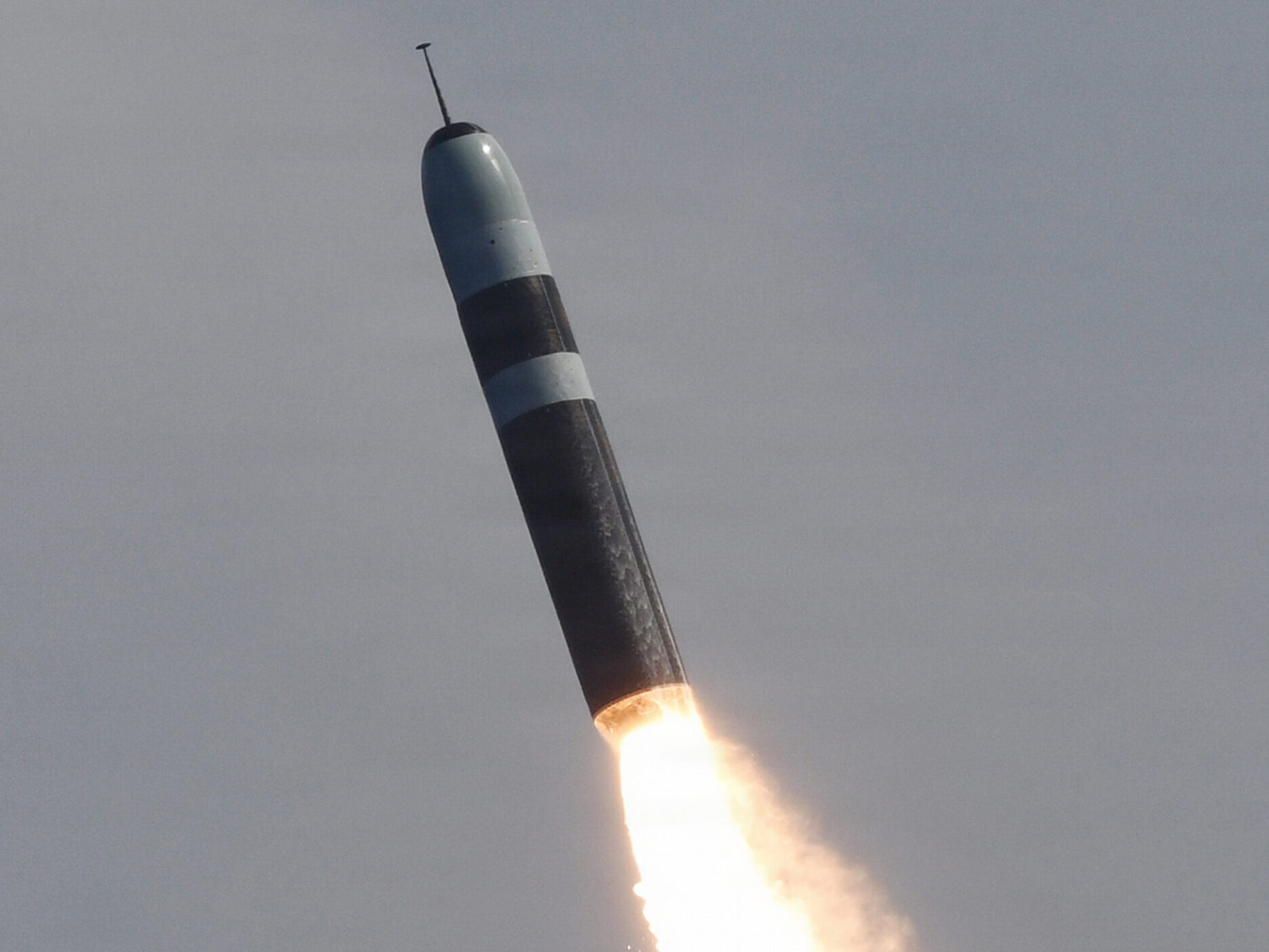
The expiration of the New Strategic Arms Reduction Treaty (New START) in February 2026 has prompted a significant reevaluation of US nuclear strategy. The current geopolitical landscape, characterized by China's rapid nuclear buildup and Russia's modernization efforts, poses new challenges for US deterrence. Washington must now prepare to deter both nations simultaneously, a shift from previous strategies that treated China as a lesser threat. The US is projected to face a nuclear China with up to 1,500 operational warheads by 2035. The articles highlight the need for a balanced approach that includes modernization while avoiding unnecessary arsenal growth. The absence of a new arms control framework raises concerns about the potential for increased instability and arms races. Policymakers are urged to consider both the quantity and capabilities of nuclear forces to maintain credible deterrence. The debate over US nuclear posture is expected to intensify with the upcoming presidential budget request.
Ask AI about this cluster
Answers cite the sources they use
Timeline
More articles in this cluster (2)
Continue Reading
 CVE-2015-3306 Exploited in ProFTPD FTP Servers CVE-2015-3306, a vulnerability in ProFTPD 1.3.5, allows remote attackers to read and write arbitrary files using the SITE CPFR and SITE CPTO commands. This exploit can lead to unauthorized access and potential remote code execution, as the commands are executed with the privileges of the ProFTPD service. Active…
  CISA Mandates Urgent Patching of Five Critical Flaws Exploited by Flax Typhoon The U.S. Cybersecurity and Infrastructure Security Agency (CISA) has ordered federal agencies to patch five critical vulnerabilities by October 11, 2026, following exploitation by the China-linked hacking group Flax Typhoon. The vulnerabilities, added to CISA's Known Exploited Vulnerabilities (KEV) catalog, include…