Article Content

- •OSTP outlines roles for NASA, DOE, and DOD in space nuclear power development.
- •Mid-power space reactors are targeted for launch by 2030, with a lunar variant required.
- •The initiative emphasizes inter-agency cooperation and potential private sector involvement.
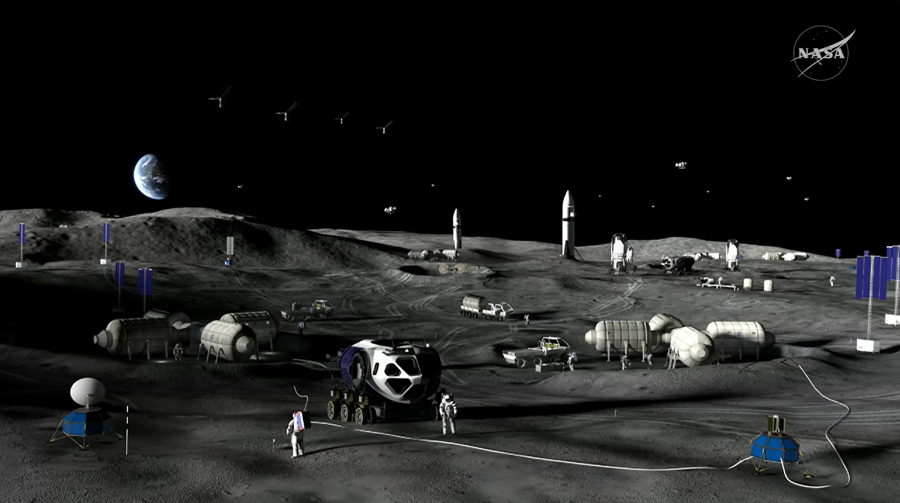
The US Office of Science and Technology Policy (OSTP) released a memorandum outlining the roles of NASA, the Department of Energy (DOE), and the Department of Defense (DOD) in developing nuclear power for space missions. This initiative aims to establish low- to mid-power space reactors by 2031, with a focus on lunar and orbital applications. NASA is tasked with launching a mid-power reactor by 2030, while the DOD must analyze use cases for a mid-power reactor within 90 days, contingent on funding. The initiative reflects a renewed commitment to nuclear technology in space, building on previous plans from 2022 and 2025. The reactors are expected to provide essential power for lunar missions and future Mars exploration. The OSTP memo emphasizes inter-agency collaboration and the need for private industry involvement. The timeline for reactor deployment includes a goal of having fission surface power on the moon by 2030.
Ask AI about this cluster
Answers cite the sources they use
Timeline
More articles in this cluster (3)
Continue Reading
 CVE-2015-3306 Exploited in ProFTPD FTP Servers CVE-2015-3306, a vulnerability in ProFTPD 1.3.5, allows remote attackers to read and write arbitrary files using the SITE CPFR and SITE CPTO commands. This exploit can lead to unauthorized access and potential remote code execution, as the commands are executed with the privileges of the ProFTPD service. Active…
  CISA Mandates Urgent Patching of Five Critical Flaws Exploited by Flax Typhoon The U.S. Cybersecurity and Infrastructure Security Agency (CISA) has ordered federal agencies to patch five critical vulnerabilities by October 11, 2026, following exploitation by the China-linked hacking group Flax Typhoon. The vulnerabilities, added to CISA's Known Exploited Vulnerabilities (KEV) catalog, include…