 Scworld
Malicious npm Packages Exploit Strapi CMS, Compromise Credentials
Article Content

- •36 malicious npm packages impersonate Strapi CMS plugins to exploit vulnerabilities.
- •Attacks utilize postinstall scripts for remote code execution and credential harvesting.
- •At least 766 hosts compromised in a separate React2Shell exploitation campaign.
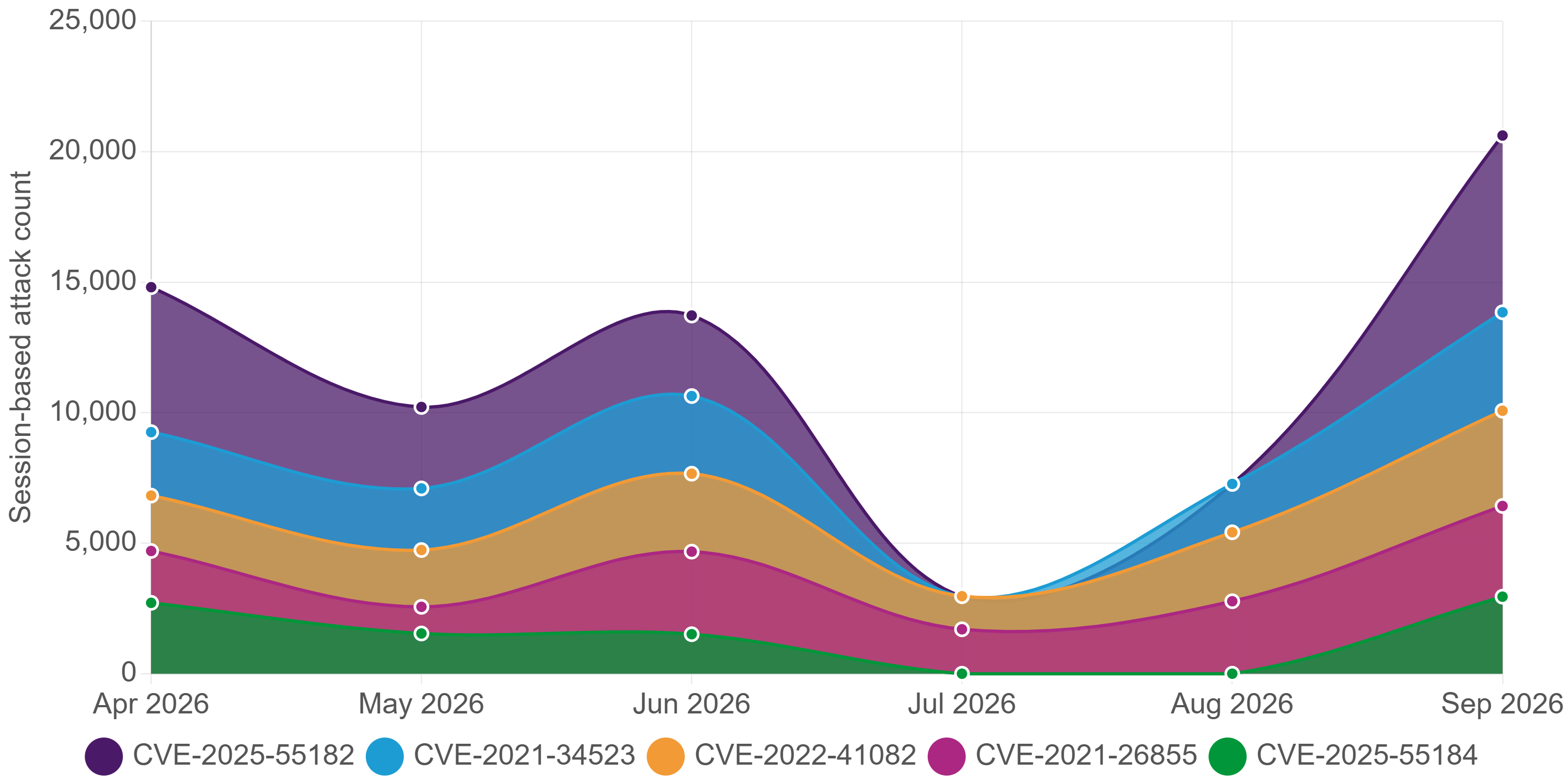
Researchers from SafeDep have identified 36 malicious npm packages disguised as Strapi CMS plugins, which facilitate Redis and PostgreSQL exploitation, reverse shell injections, and credential harvesting. These packages employ a postinstall script hook to execute malicious code without user interaction, allowing attackers to exploit local Redis instances for remote code execution. The attacks involve scanning for hardcoded credentials and secrets, ultimately leading to persistent implant deployment. This incident highlights the growing trend of software supply chain attacks, with npm and other package repositories being primary targets. Concurrently, the exploitation of React2Shell (CVE-2025-55182) has been reported, affecting at least 766 hosts across various cloud providers. The threat group UAT-10608 is attributed to this campaign, which automates the theft of sensitive credentials. The recent budget cuts proposed for CISA may impact the agency's ability to respond to such threats effectively.
Ask AI about this cluster
Answers cite the sources they use
Timeline
More articles in this cluster (2)
Following this threat?
Track CVE-2025-55182 in your own feed — you're alerted when they show up in new reporting, leak sites or exploitation.
Free account · no card needed
Continue Reading
 Langflow AI Platform Targeted by RCE Exploitation In September 2026, the Langflow AI application-building platform faced significant exploitation attempts targeting CVE-2026-0768, an unauthenticated remote code execution vulnerability. F5 Labs reported 405 requests from 55 distinct source IPs, indicating a coordinated effort to exploit this flaw. The vulnerability…
 AI-Driven Cyber Campaign Targets Government Linux Servers Unit 42 has identified a cyber campaign, tracked as CL-UNK-1211, targeting government entities and state-affiliated infrastructure from October 2025 to April 2026. The attackers utilized AI-generated code to deploy web shells, credential stealers, and custom malware aimed at accessing government emails and sensitive…