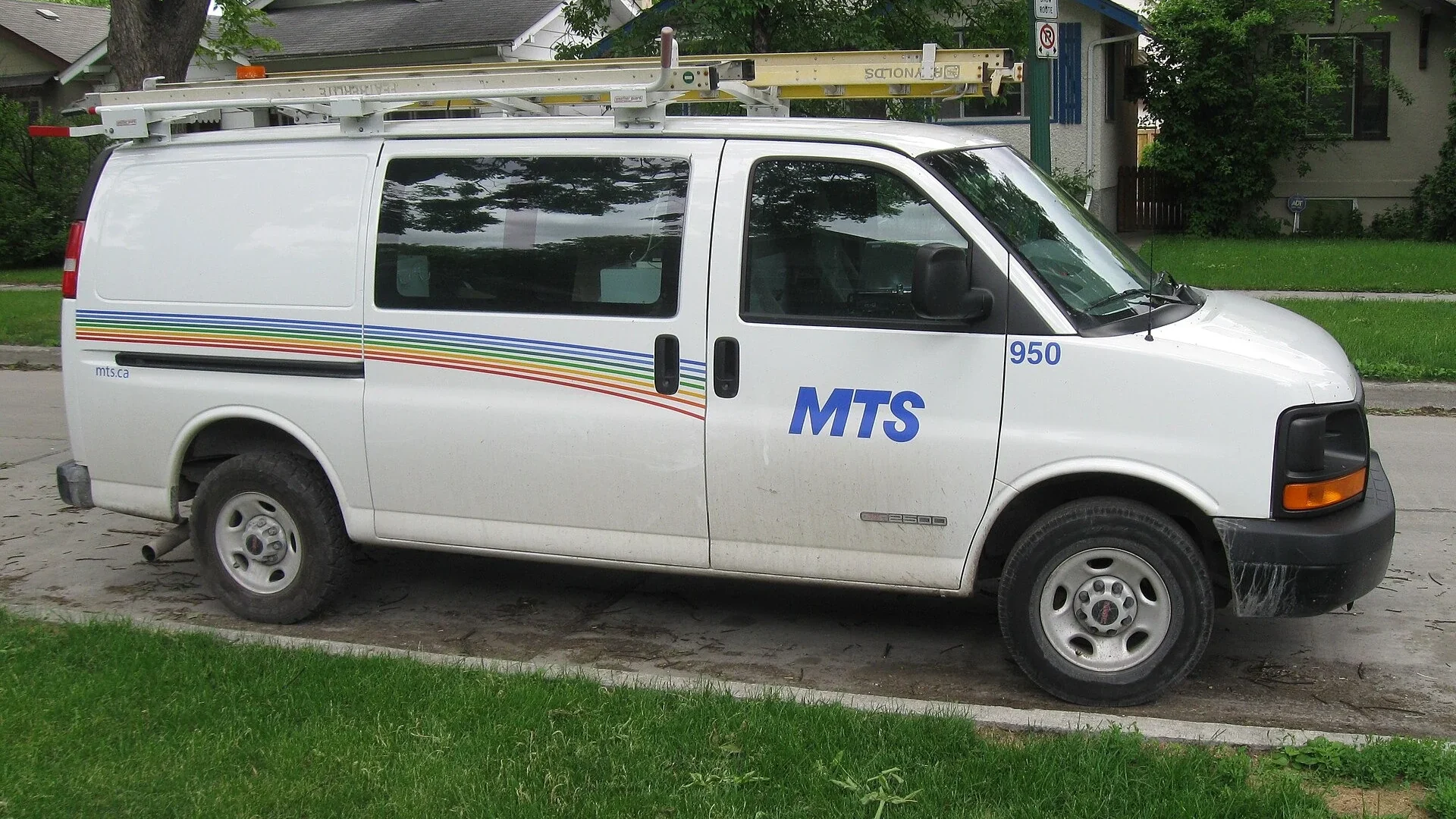
Bell MTS has confirmed that a cyberattack, not a routine technical fault, sat behind the recent email outage that hit customers across Manitoba. The disclosure turns a frustrating service problem into a security incident, and it raises more questions than the company has answered so far. This Bell MTS cyberattack story is still moving, and several basic details remain unconfirmed as of November 23, 2026.
The company shared the key facts in an email statement reported by the Winnipeg Free Press. Spokesperson Zoe Chapman said: “As our investigation continues with our third-party provider, we will follow up directly with any customers whose data may have been impacted. The incident has been remediated and access to online password reset has now been re-enabled for all customers.”
Third-party exposure is the thread running through this story. Bell MTS said its email services run through an outside provider, which puts the incident in the same family as the vendor-driven leaks we tracked in our report on the Uber vendor credential breach . Below, we sort what is confirmed from what is not, explain why the details matter, and lay out what customers and IT teams should do .
Don't miss new tech stories on Google
Add Shattered once in the Google app and our stories show up in your news suggestions.
What Bell MTS Has Confirmed the Cyberattack
The confirmed record is short. According to the Winnipeg Free Press, Bell MTS said a cyberattack caused the email outage that affected customers across Manitoba. The affected service is Bell MTS email, which the company delivers through a third-party provider.
Bell MTS also described three concrete effects of the attack. It triggered password resets. It locked some customers out of their accounts. And it allowed what the company called a “threat actor” to access some email accounts. That last point carries the most weight, because it moves the incident from an availability problem to a confidentiality problem. An outage means people cannot read their mail. Account access means someone else may have been able to.
On status, Bell MTS said the incident has been remediated and online password-reset access is back for all customers. It also said the investigation continues alongside the third-party provider. If the company finds that customer data was affected, it said it will those customers directly. That phrasing matters, because it implies Bell MTS has not yet decided who falls into that group, or at least has not said so publicly.
The wording is careful and typical of an early-stage incident statement. It names effects, announces a fix, and promises follow-up. What it leaves out is just as telling, and we cover those gaps in the section on unconfirmed details below.
Timeline of the Manitoba Email Outage
Pieced together from named outlets, the sequence runs in three stages. First, customers lost access to their Bell MTS email. Second, the lockouts dragged on. CBC reported that the outage left Bell MTS customers locked out of email accounts for more than 2 days . Third, on November 22, the Winnipeg Free Press reported that Bell MTS now attributes the disruption to a cyberattack.
That gap between the first lockouts and the security attribution is the part customers will remember. People saw a service problem, tried to log in, and ran into resets they did not request. For anyone who uses a Bell MTS address as the recovery email for banking, shopping, or social accounts, even a short lockout creates a second-order risk. A password reset on the mailbox can cascade into password resets everywhere else.
Why the Delay Between Outage and Attribution Matters
Companies rarely call something a cyberattack on day one. Teams first need to rule out a misconfiguration, a bad deployment, or a hardware fault. When the affected platform belongs to a vendor, the process slows further, since the telecom depends on the provider for logs and forensic detail. We saw a similar pattern in our coverage of a breach that took five days and six data types to describe , and the Bell MTS case fits the same shape.
What Customers Saw First
According to Bell MTS, the visible effects were password resets and lockouts. Those are exactly what a defender sees when an attacker abuses account recovery or when a provider forces resets to contain an intrusion. Bell MTS has not said which of the two happened, and we will not guess.
Why a Third-Party Email Provider Changes the Story
Many customers assume that a telecom’s email runs on the telecom’s own servers. Here, Bell MTS said the email service comes from a third-party provider. That arrangement is common across the industry, because running a mail platform at scale takes specialist staff, spam filtering, and constant patching. Outsourcing makes financial sense. It also splits responsibility in ways that blur during an incident.
When something breaks, the customer sees the Bell MTS brand. The provider sees a contract and a service-level agreement. Investigators have to work across two organizations with separate logs, separate legal teams, and separate disclosure duties. Bell MTS said it is investigating together with the provider, which suggests the data needed to answer the open questions sits at least partly outside Bell MTS itself.
The identity of that provider is unconfirmed. Bell MTS has not named it in the statement reported by the Free Press, and no named outlet we reviewed has either. Until someone does, other organizations that may use the same provider cannot assess their own exposure. That is a real cost of silence. Naming a vendor in a breach notice is uncomfortable for both sides, yet it lets other customers check their own accounts.
Third-party risk has dominated incident reports lately. Our piece on the third-party vendor cyberattack touching JPMorgan, Visa and Mastercard showed how one supplier’s problem can ripple across several big brands. The Bell MTS incident follows that logic at a smaller scale, with one provider and one regional customer base.
What Password Resets and Lockouts Tell Us
Password resets are a blunt but common containment tool. If a provider suspects stolen credentials or a hijacked session, it can invalidate passwords across the board and force users through a recovery flow. The side effect is that legitimate customers get locked out until they complete that flow. Bell MTS confirmed lockouts happened, and it also said online password-reset access had to be re-enabled, which implies that access was switched off at some point.
That detail deserves attention. Turning off self-service resets is what a team does when the reset function itself looks risky. We cannot confirm that was the reason here, since Bell MTS has not explained it. We can say that re-enabling reset access for all customers is a recovery milestone, and it is the step that lets people regain their own mailboxes.
For security teams, the practical lesson is that account recovery is part of the attack surface. A strong password does little if an attacker can trigger or intercept the reset path. Phone-number-based recovery has the same weakness, which is why we recommend moving critical accounts to passkeys, as described in our walkthrough on how to set up passkeys and replace SMS 2FA .
The “Threat Actor” Wording and What It Leaves Open
Bell MTS used the term “threat actor” and said that person or group accessed some email accounts. Security professionals use that phrase to cover everyone from lone criminals to organized ransomware crews to state-backed teams. It tells readers nothing motive, skill, or origin.
The identity of the threat actor is unconfirmed. No named outlet has reported a group claiming responsibility, and Bell MTS has not attributed the attack. Readers should treat any online claim naming a culprit with caution until the company, the provider, or law enforcement says something on the record.
The phrase some email accounts is equally open. It could mean a handful of mailboxes or many thousands. Bell MTS gave no count. Reporters at the Winnipeg Free Press and CBC have both covered the story without a figure, which tells us the company has not shared one. We will report a number the moment a named source provides it.
What Remains Unconfirmed in the Bell MTS Incident
Good incident reporting separates what we know from what we infer. The table below sets out the status of each major question, based only on the public statement reported by the Free Press.
Four of the eight rows are open. Those four gaps decide how serious this incident turns out to be. A small number of mailboxes with little sensitive content is a contained event. A large number of mailboxes holding years of password-reset emails, invoices, and scanned documents is something else entirely.
Who Is Likely Affected and What Data Is at Risk
Bell MTS said customers across Manitoba were affected by the outage. It did not say that every customer was affected by the account access. The company’s promise to follow up with customers whose data may have been impacted points to a narrower group, but no one outside the investigation can say how narrow.
Which specific customer data, if any, was accessed is unconfirmed. Still, we can describe what a typical mailbox holds, so readers can judge their own exposure. A personal inbox often contains password-reset links, order confirmations, bank notices, travel bookings, tax documents, and conversations with family. None of that is automatically stolen in an account-access event, but all of it becomes viewable if an outsider logs in.
The bigger risk is reuse. Anyone whose Bell MTS email address is the login or recovery for another service should assume that service is worth checking. We have seen that chain play out before. Our report on the JPMorgan vendor breach involving names, emails and marketing data showed that even modest data types, such as email addresses, feed phishing campaigns for months.
Expect phishing to follow. Attackers who know a person’s email address, and who know that person just endured an outage and password reset, can write convincing messages posing as Bell MTS support. Customers should treat any unexpected message their account with suspicion, and should go to the official site directly instead of clicking links.
How Bell MTS Compares With Other Vendor-Linked Incidents
Vendor-linked incidents a pattern. The brand customers know gets blamed, the actual weak point sits at a supplier, and the first public statements arrive with few numbers. The table below compares Bell MTS with four incidents we have already covered on this site. Figures come from our earlier reporting and describe what each company disclosed at the time.
Two things stand out. First, the zero-count pattern appears three times in five rows. Companies often confirm the type of exposure before they confirm the size of it, and Bell MTS is following that script. Second, only Uber’s case gave a hard victim figure, and it took four days to confirm. For Bell MTS, the lack of a number a few days after the outage is normal for this stage, yet it should not become permanent. Our write-up of the ZebPay and MoEngage breach shows how long a vendor-side count can stay hidden.
Business and Market Impact for Telecom Providers
Bell MTS has not published any financial impact, customer-loss estimate, or cost figure, and none of the named outlets we reviewed has reported one. So any dollar number attached to this incident would be invention. What we can analyze is the shape of the business risk.
Email is a low-revenue service for a telecom, yet it carries outsized trust. Customers rarely switch mobile or internet providers over a mail outage alone. But a security incident that exposes accounts tests that patience. The reputational damage depends less on the attack itself than on how the company communicates in the following weeks.
Three cost buckets are worth watching. Support costs come first, because every lockout generates a call or a chat. Regulatory and legal exposure comes second, since Canadian privacy rules can require notification when personal information is compromised, and Bell MTS has already said it will affected customers. Vendor contract fallout comes third. The provider’s agreement with Bell MTS may face a review, a renegotiation, or a replacement.
Competitors in the Canadian market will watch closely. Any telecom that outsources mail, support portals, or billing has the same structural exposure. Procurement and security teams at those firms are likely asking their own vendors pointed questions this week.
Historical Context: Why Email Stays a Soft Target
Email has been a favorite target for decades, for a simple reason. It is the master key to most people’s digital lives. Whoever controls a mailbox can request resets for other services, read confirmations, and impersonate the owner. Defenders added multi-factor sign-in, but many consumer mail services still rely on passwords and phone-based recovery, which are the weakest links.
Internet-provider mailboxes carry extra risk. People set them up years ago, reuse the same password, and forget they exist. Those legacy addresses often stay attached to old accounts, which turns them into quiet backdoors. A telecom mailbox that no one has opened in a year can still receive a reset link for a live account.
The broader trend runs toward attacks on suppliers instead of direct assaults on well-defended brands. Attackers pick the smaller company with weaker controls and use it as the way in. That is why the Bell MTS detail a third-party provider deserves the same scrutiny as the cyberattack label itself. If you want a refresher on how defenders check for this kind of compromise after patching, see our guide to a post-patch compromise check in 12 steps .
What Bell MTS Customers Should Do Now
Bell MTS says the incident is remediated and online password reset works again. That does not mean customers should relax. Until the company says whether data was accessed, a short round of precautions costs little and could prevent a larger problem.
If Bell MTS Contacts You
The company said it will follow up directly with customers whose data may have been impacted. Verify any such message through the official Bell MTS website or a phone number you already trust. Scammers love incident notices because recipients expect them. Do not click a link in an unexpected email, even if it mentions the outage.
Lessons for IT and Security Teams
Any organization that buys email, support, or identity services from an outside provider can learn from this incident without waiting for more facts. Four points stand out.
Map your vendors. Know which outside providers hold customer-facing accounts and who at the vendor you call during an incident.
Lock down recovery paths. Treat password reset, help-desk verification, and phone-based recovery as high-risk functions and test them for abuse.
Write disclosure terms into contracts. Require vendors to notify you within a set window and to forensic detail, including the scope of accounts touched.
Prepare a customer message early. A statement that names effects, status, and steps beats a silent outage followed by a late security notice.
Teams that want a wider view of defensive reading can browse our security coverage hub , which collects breach reports, tool guides, and compliance explainers in one place.
Five Predictions for the Bell MTS Cyberattack
These are analyst judgments based on how similar incidents have unfolded, not reports of what Bell MTS plans. Treat them as informed expectations.
A scope figure will surface. Companies that promise customer follow-up usually end up giving at least a rough count once notices go out. Expect a number within weeks, either from Bell MTS or through a regulator.
The provider will be named. Reporters and affected customers will keep asking. A named vendor tends to emerge through press queries, contract disclosures, or a vendor statement of its own.
Phishing campaigns will target Manitoba customers. Attackers follow headlines. Messages posing as Bell MTS support are a safe bet.
Bell MTS will tighten account recovery. The company already re-enabled password reset, and a stricter reset flow with stronger verification is the logical follow-up.
Other telecoms will audit their outsourced mail. Peers with the same structure have every reason to review vendor logs and contract terms.
None of these is a confirmed event. If the facts shift, our view will shift with them.
Four signals will tell us how large this story becomes. The first is any customer notification from Bell MTS, since the content of that message will define which data types were exposed. The second is a provider statement, which would settle who the vendor is and how the intrusion happened. The third is any regulator filing or privacy commissioner , which usually puts a number on record. The fourth is any claim of responsibility from a criminal group, which would arrive with its own credibility problems and should be verified before anyone repeats it.
For now, the story rests on a single email statement from Bell MTS, relayed by the Winnipeg Free Press, with CBC documenting the customer impact. The company said the investigation is still running. We will update this article as named sources add detail.
The takeaway: Bell MTS has admitted a cyberattack, an outsider’s access to some accounts, and a fix. It has not admitted a scale, a culprit, or a vendor. Customers should act on the first set of facts and wait on the second.
Frequently Asked Questions
Did a cyberattack cause the Bell MTS email outage? Yes, according to Bell MTS. The company said a cyberattack caused the recent email outage affecting customers across Manitoba, as reported by the Winnipeg Free Press.
Were Bell MTS email accounts accessed? Bell MTS said a “threat actor” accessed some email accounts. It has not said how many accounts or what data was involved.
Who runs Bell MTS email? Bell MTS said its email services are provided by a third-party provider. The company has not named that provider, and the identity remains unconfirmed.
Is the incident over? Bell MTS said the incident has been remediated and that online password-reset access has been re-enabled for all customers. It also said its investigation with the third-party provider continues.
How many customers were affected? The number is unconfirmed. Bell MTS has not published a count of affected accounts or customers.
Will Bell MTS tell me if my data was exposed? The company said it will follow up directly with any customers whose data may have been impacted. Verify any message through the official website before you respond.
Should I change my password? Setting a new, unique password is a low-cost precaution. Also check any account that uses your Bell MTS address for recovery, and consider passkeys for important services.
Who is behind the attack? Unknown. Bell MTS referred only to a “threat actor” and has not attributed the attack to any named group or individual.
