 Back Aa.Tr
Cyberattacks on US ports and cargo ships surge, with thousands of daily attempts
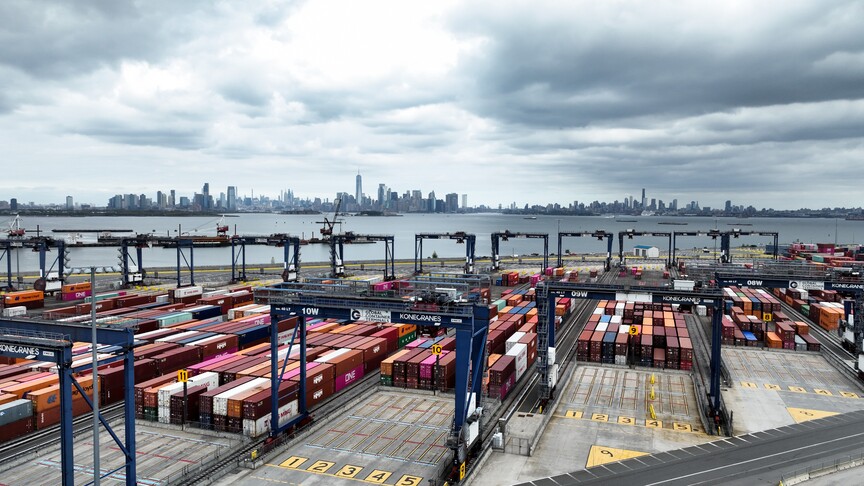
US ports and cargo vessels are facing an intensifying wave of cyberattacks, with hackers launching thousands of attempts daily to infiltrate critical infrastructure underpinning global trade.
The number and sophistication of attacks have risen sharply in recent months, with ports, oil tankers, and major shipping companies increasingly coming under threat from cybercriminals and groups linked to hostile states.
Executives at the Port of Corpus Christi in Texas, the largest US crude oil export hub, told the Financial Times that their networks face hundreds, and sometimes thousands, of hacking attempts every day.
The port, which handles approximately 2.3 million barrels of crude oil exports daily, has become a target for hackers seeking to breach its systems and gain access by deceiving employees.
Experts have linked countries including Iran, North Korea and China to cyber operations targeting shipping infrastructure. Cybersecurity firm Shieldworkz said Russia-linked hacking group Noname057(16) threatened European operators in October, although attackers often conceal their origins by routing operations through third countries.
Recent technical disruptions have also highlighted vulnerabilities in critical US infrastructure, including a nationwide air traffic shutdown, a Chase bank software glitch and an almost 24-hour outage affecting Microsoft's Outlook service. None has been attributed to cyberattacks.
However, the incidents have raised concerns that advances in artificial intelligence could enable hackers to identify and exploit system vulnerabilities faster than companies can respond.
The FBI warned last week that hackers were using an AI tool called Artex to automate cyberattacks.
The Port Authority of New York and New Jersey said it was investing in cybersecurity, with a spokesperson citing “multiple independent layers of protection” and “recovery plans with terminal operators and partners” to ensure cargo operations continue during disruptions.
The Port of Oakland declined to its “cyber security defences or protective measures,” citing national security concerns.
Meanwhile, the Port of Corpus Christi said it was seeking additional assistance from Washington but declined to elaborate on recent incidents.
“If you’re playing defence, you have to get it right every time,” Kent Britton, the CEO of the port, said. “If you’re planning offence, you only have to get it right once.”
contact_the_ombudsman
is_there_an_error_in_this_story
