 Back Interestingengineering
FBI hack and USDA cyberattack target critical government data
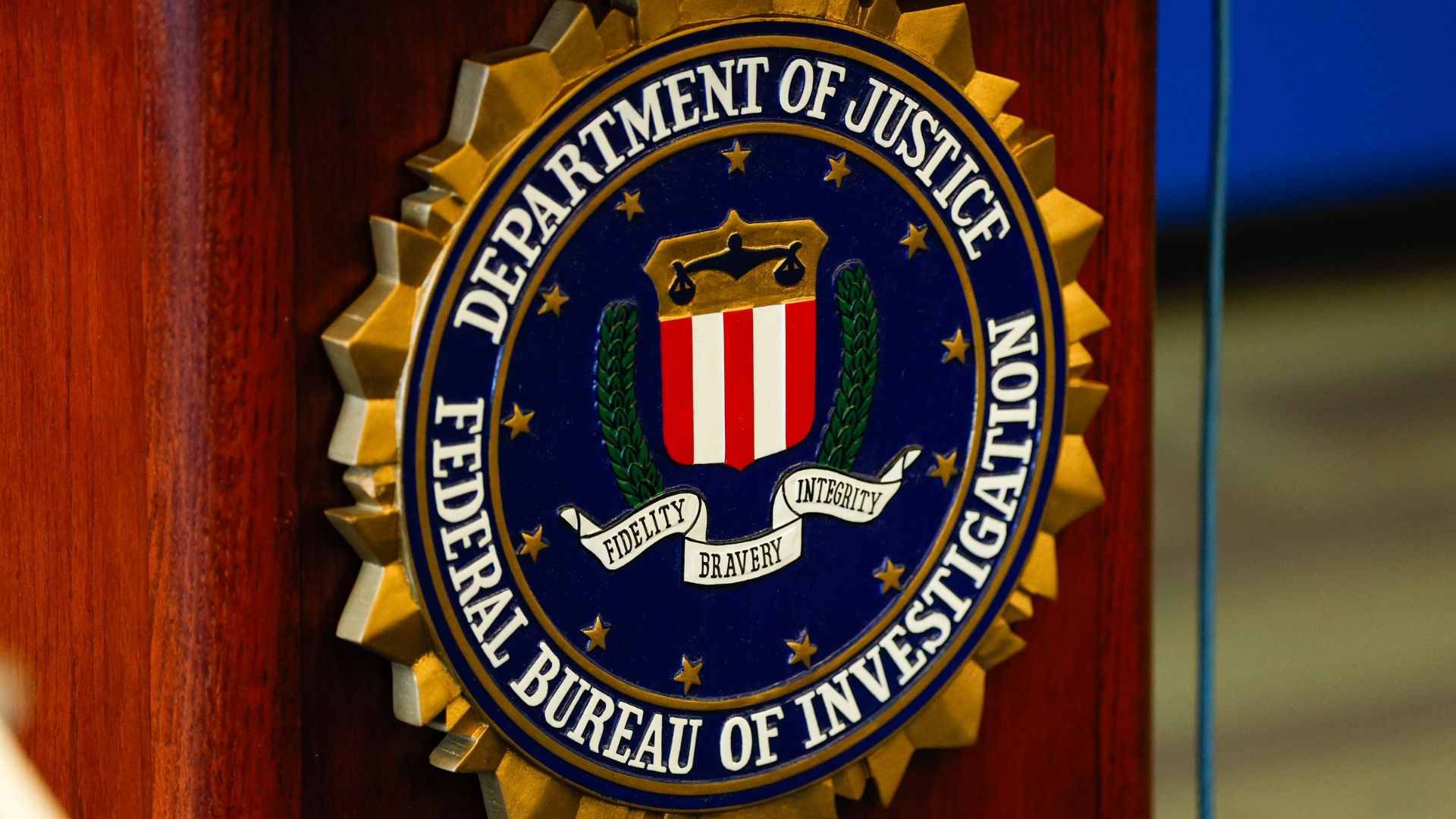
The FBI is investigating a suspected breach of its National Crime Information Center, a database used by law enforcement agencies nationwide.
The FBI is investigating a suspected breach of its National Crime Information Center, a database used by law enforcement agencies nationwide.
Investigators have yet to establish whether hackers accessed sensitive criminal records or compromised the accuracy of information stored in the NCIC.
Investigators have yet to establish whether hackers accessed sensitive criminal records or compromised the accuracy of information stored in the NCIC.
Potentially exposed USDA information could include food safety records and research into diseases transmitted from animals to humans.
Potentially exposed USDA information could include food safety records and research into diseases transmitted from animals to humans.
Two major US federal agencies have faced cyberattacks this week, raising fresh concerns the security of government systems holding sensitive information. The FBI is investigating a suspected intrusion into its National Crime Information Center (NCIC), a critical database used by law enforcement agencies nationwide.
The US Department of Agriculture (USDA) also suffered a cyberattack affecting a system responsible for processing payments to farmers. NBC News reported that department leadership notified employees the incident on Thursday.
The USDA attack reportedly targeted a payment database. Sources familiar with the incident also warned that attackers could potentially reach more sensitive information. That includes food safety records and research into diseases that spread from animals to humans.
Meanwhile, two people briefed on the FBI investigation told CNN that officials discovered the NCIC intrusion in recent days. The bureau has not disclosed how attackers gained access or whether they obtained confidential records.
Police face potential security risks
The NCIC connects federal, state, and local law enforcement agencies through a shared criminal information network. Officers use it to identify wanted individuals, verify outstanding warrants, and retrieve records during investigations.
Its role extends beyond routine police checks. Information available through the system can influence decisions during traffic stops, arrests, and other encounters. Any unauthorized access could therefore create serious security concerns.
A former FBI official who previously investigated cybercrime groups told CNN that data integrity presents a major concern. Hackers accessing sensitive records would already pose a significant threat. However, manipulating information could create additional risks for officers and civilians.
Inaccurate records could potentially lead officers to rely on incorrect information during law enforcement operations. Investigators must determine whether the suspected attackers simply accessed the database or gained deeper control.
The FBI has not confirmed whether the intrusion affected the accuracy of NCIC records.
FBI faces repeated cyberattacks
The suspected NCIC intrusion follows several other security incidents involving federal law enforcement systems. In September, the ShinyHunters hacking group targeted sensitive employee information through an FBI recruitment website.
The attack exposed concerns how the bureau handles employee data. Some FBI personnel reportedly criticized the agency’s communication and security support following the incident.
A Canadian cybersecurity researcher and author now faces charges connected to the ShinyHunters investigation.
An earlier incident in 2023 involved a computer system at the FBI’s New York field office. Hackers breached infrastructure used in child sexual exploitation investigations. The affected systems also included storage connected to the bureau’s Jeffrey Epstein investigation.
FBI warns of evolving threats
The FBI has also warned organizations increasingly automated cyberattacks. A November 13 cybersecurity advisory detailed ARTEX, an open-source penetration testing framework that malicious actors have repurposed.
The framework uses large language model-powered agents to automate different stages of cyber intrusions. These include reconnaissance, vulnerability exploitation, and data extraction.
According to the advisory , some attacks progressed from initial targeting to privileged access in under three hours. Researchers also identified more than 1,600 publicly exposed ARTEX console instances by early November.
The FBI warned that attackers could use these capabilities against government agencies and other critical sectors. Its recommendations include restricting exposed applications, strengthening access controls, and monitoring suspicious account activity.
The advisory does not identify ARTEX as the tool behind the suspected NCIC intrusion. Investigators have yet to establish how attackers reached the criminal information network or what information they may have compromised.
Offer ends December 1
50% off your first year of IE+
$20.99 first year Regular price $41.99
Renews at $41.99/year after the first year. Cancel anytime.
Aamir is a seasoned tech journalist with experience at Exhibit Magazine, Republic World, and PR Newswire. With a deep love for all things tech and science, he has spent years decoding the latest innovations and exploring how they shape industries, lifestyles, and the future of humanity.
1 New space armor takes on 16,100-mph debris hits to shield astronauts during spacewalks
2 World's first certified BESS made from old EV batteries debuts with 500-kWh capacity
3 US releases 1953 report on dark, elliptical UFO and CIA records in new Pentagon files
4 10,000 tons a year: US plans $1.8B rare-earth-free magnet plant in Alabama to boost EV
5 500 MWe molten salt reactor paired with nuclear fuel-recycling technology in new deal
