 Back Space
Green light for Starmind: SpaceX gets approval to deploy 1 million AI satellites
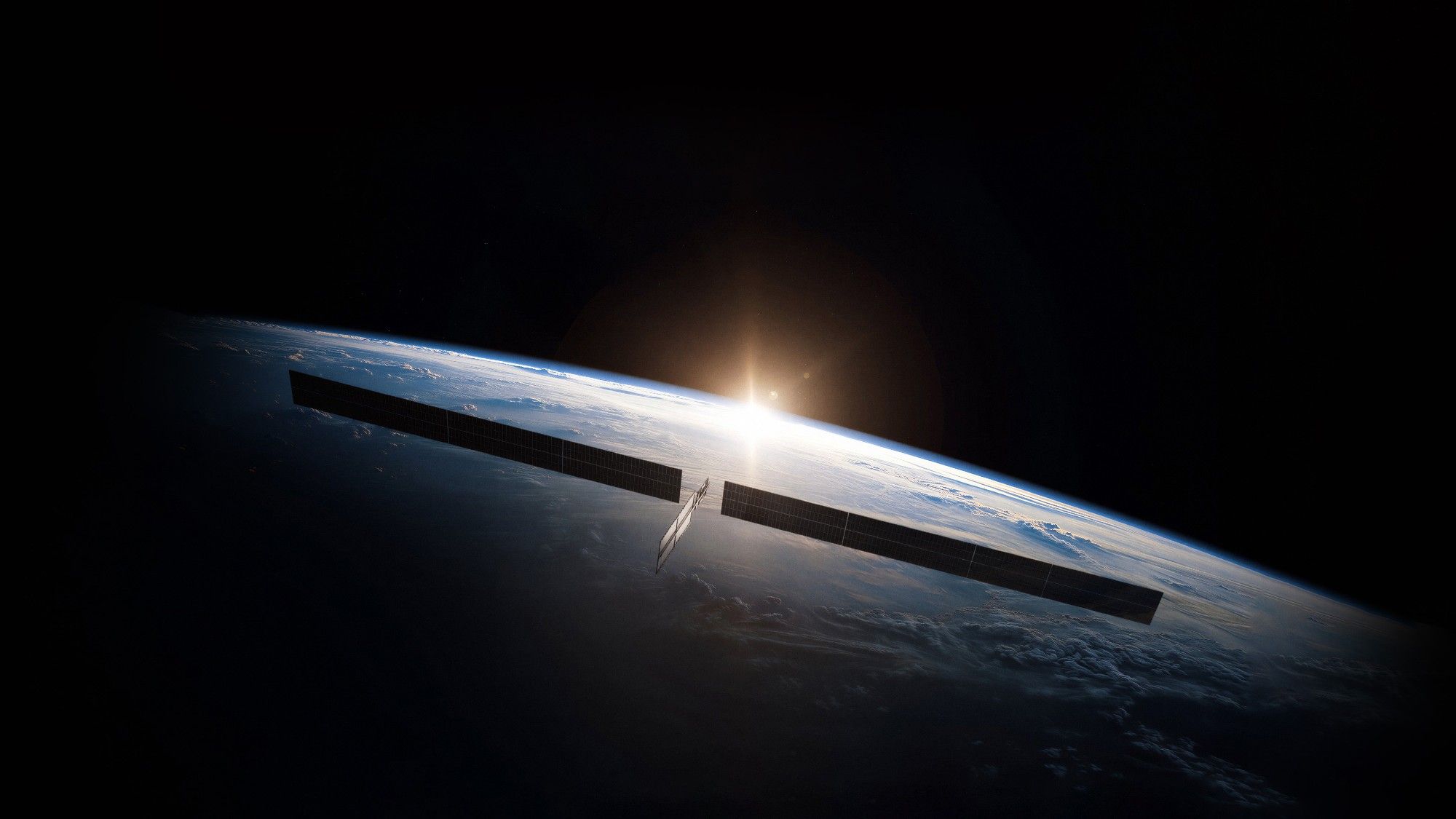
The U.S. Federal Communications Commission (FCC) just granted SpaceX approval to deploy one million of its Starmind AI data-center satellites in orbit.
"This action opens a bold new frontier for the computing infrastructure needed to power America's leadership and growth," FCC Chairman Brendan Carr said today (Nov. 25) in a statement announcing the approval.
AI has become central to SpaceX's business plans and identity over the past year or so. For example, the company has said that it's eyeing a "total addressable market" of $28.5 trillion over the long haul — and nearly $23 trillion of that is in "enterprise AI applications."
Starmind is key to those lofty ambitions. SpaceX founder and CEO Elon Musk believes that the future of AI compute is in space, where energy (from the sun ) is unlimited and there are no land-owning neighbors to lodge NIMBY complaints.
SpaceX aims to launch the first of its Starmind satellites in the third quarter of 2027. The spacecraft will fly on the company's fully reusable Starship megarocket, which has deployed 26 of SpaceX's -gen Starlink satellites on its most recent two test flights .
Those 52 spacecraft are the vanguard of another enormous constellation: Musk has said that the -gen Starlink network will eventually consists of 100,000 satellites .
The planned numbers for Starlink and Starmind are truly mind-boggling. To put them into perspective: Since the dawn of the space age in 1957, humanity has launched a total of just 28,000 satellites, give or take a few hundred. And the biggest constellation ever operated to date, the current iteration of Starlink, consists of 11,000 spacecraft.
These coming buildouts will require an enormous number of launches. Starship can carry a maximum of 60 V3 Starlink satellites per launch, for instance, so it will take 1,700 liftoffs just to assemble that network (and more to maintain it, as the operational life of each satellite is expected to be five years).
Putting so many satellites into orbit also raises the risks of collisions. SpaceX has proven to be extremely proficient in this regard with its current Starlink satellites, which can detect and avoid potential collisions autonomously. But more evasive maneuvers will be required as space gets more and more crowded.
SpaceX isn't the only company that aims to operate data centers in space; Cowboy Space , Starcloud, Blue Origin and Google, among other companies, have voiced similar ambitions. Starcloud and Google , in fact, have already launched AI pathfinder satellites.
"Compute campuses or data centers are essential to sustaining America's leadership in SI," Carr said in the same statement. ("SI" stands for super intelligence, the Trump administration's preferred term for AI.)
"By moving compute capacity beyond Earth , SpaceX and the many competitors working on their own orbital data centers are meeting the moment," Carr added. "This is the kind of American ingenuity that can unite our strengths in space and advanced technology, reinforce our economic leadership, and expand prosperity here at ."
