 Back Gbhackers
Hackers Infect 8,000 Gamers With Malware-Laced Video Games, Steal $220,000 in Cryptocurrency
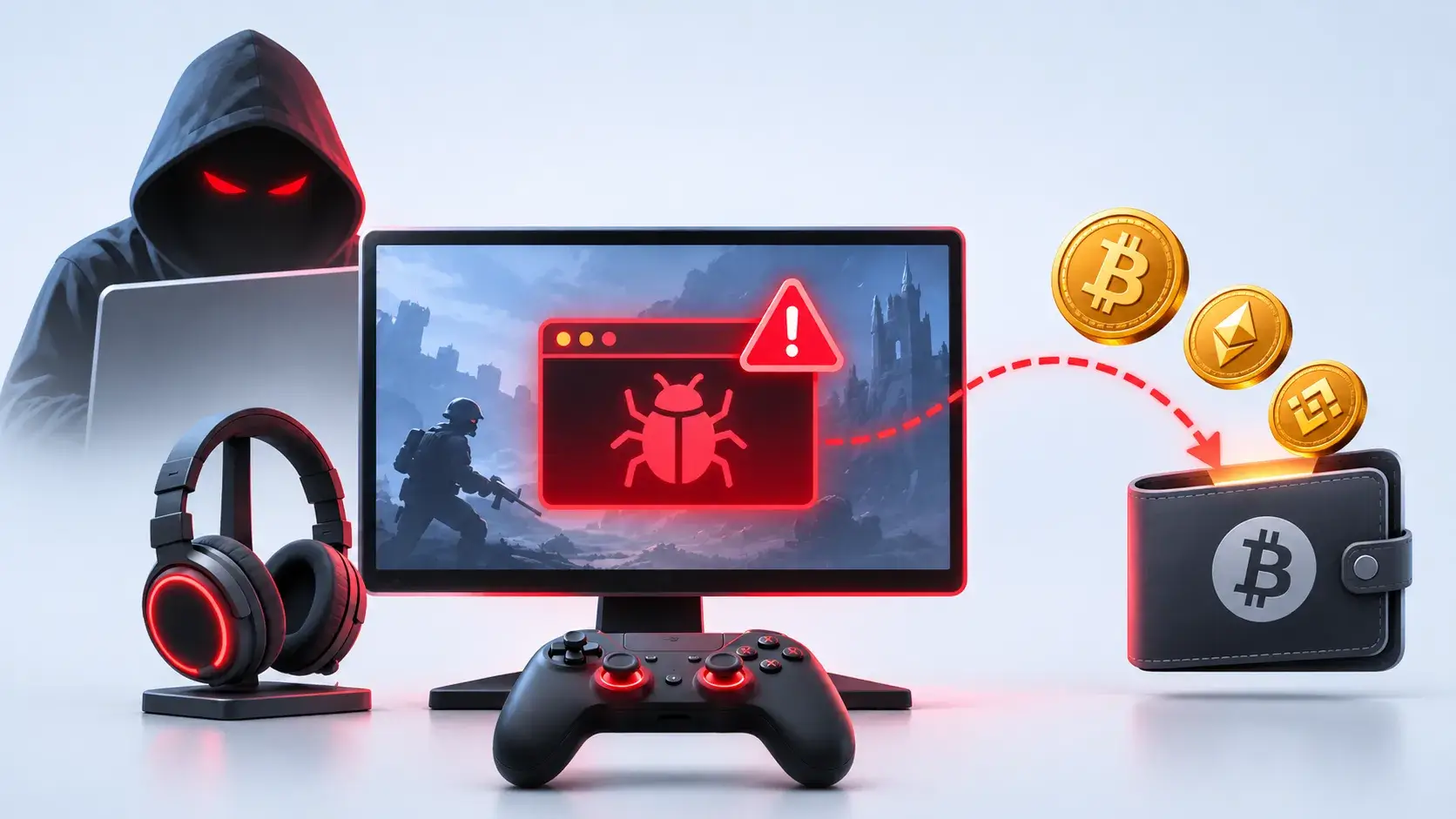
Hackers allegedly infected approximately 8,000 gamers’ devices through malware-laced video games, stealing at least $220,000 from around 80 cryptocurrency wallets.
A federal criminal complaint names Zyaire Dontaevious Zamarion Wilkins as an alleged participant in the operation, which combined malicious game distribution, credential theft, targeted promotion, and cryptocurrency theft.
Malware-Laced Video Games
The complaint, filed July 10, 2026, in Washington’s Western District, alleges the conspiracy operated from at least May 2024 through February 2026. Investigators identified eight infected games, naming DASHVERSE, Lunara, PirateFi, BlockBlasters, and Lampy. Earlier analysis of the malicious BlockBlasters update documented how gaming software could conceal credential-stealing payloads.
According to the affidavit , an unnamed co-conspirator created eight developer accounts using stolen identities belonging to American citizens. Those accounts provided access to a legitimate distribution platform’s publishing process. Investigators allege Wilkins and others helped market the resulting games, turning seemingly ordinary entertainment downloads into delivery mechanisms for data theft.
Although the complaint does not name the platform, reporting on the FBI investigation identifies Steam and links the listed titles to previously discovered malware incidents.
The alleged operators downloads through Discord, Telegram, X, and , while bots identified cryptocurrency holders and delivered targeted messages intended to attract particularly valuable victims.
After installation, the malware allegedly collected account credentials and other confidential information, including autofill data, user tokens, and cookies. Participants reviewed the stolen material for information that could unlock cryptocurrency accounts.
Investigators say this process ultimately enabled unauthorized access to approximately 80 wallets, rather than financial theft from every infected player. The distribution strategy also included modifying existing software: investigators allege Lampy received a malicious update in January 2026.
Separately, a Steam Workshop malware campaign illustrates the broader abuse of gaming ecosystems to distribute backdoors and information stealers. That separate activity should not be treated as part of this prosecution.
Messages recovered from seized devices allegedly reveal collaboration over payload selection. In November 2025, an account called “Sibel.eth,” which investigators attribute to Wilkins, discussed purchasing a $10,000 remote-access Trojan and implementing both stealers and the Trojan. The complaint describes these conversations without identifying a specific deployed malware family.
The case underscores the monetization potential of stolen browser information, also evident in broader infostealer infrastructure investigations . However, the complaint does not attribute this gaming operation to Lumma or link it to that separate malware service. Its central allegation concerns harvesting private data to facilitate cryptocurrency theft.
Authorities charged Wilkins with conspiracy to obtain information by computer for private financial gain. The complaint establishes allegations and a probable-cause finding, not a conviction. The complaint alleges approximately 8,000 affected customers, roughly 80 compromised wallets, and a minimum $220,000 loss, describing different measures of the alleged campaign’s impact.
Give your SOC the alert context on the latest threats to stop incidents quickly -> Integrate Threat Intel from 16K SOCs :
Artificial Intelligence
Cyber security Course
Cyber Security Resources
Cybersecurity
Information Gathering
Information Security Risks
Researchers Find 700 Exposed PentAGI Instances as AI-Powered Hacking Frameworks Spread
Meta Fined €805 Million for Accessing Private Photos and Videos of 20 Million Android Users Without Consent
11-Year-Old Linux Kernel TCP Flaw NoisyTCP Lets Hackers Remotely Crash Servers Without Authentication
AWS Confirms Major US-EAST-1 Outage Disrupted 11 Cloud Services Before Full Recovery
10 Risk-Based Vulnerability Management Tools: The 2026 Buyer’s Verdict Guide
11 Cloud Vulnerability Management Tools: The 2026 Buyer’s Verdict Guide
The full story
This article is one source in a clustered incident — the cluster page carries the summary, timeline and every other outlet covering it.
