 Back Streamlinefeed.Co.Ke
 London Mayor Sadiq Khan Launches KES 1.15 Billion Campaign to Combat Disinformation Scourge
London Mayor Sadiq Khan launches a multi-million campaign to combat a global scourge of online disinformation threatening the city's tourism economy.
London Mayor Sadiq Khan has launched a bold 7 million pound (approximately KES 1.15 billion) campaign to defend the city against an escalating wave of online disinformation that threatens its global standing and critical tourism sector.
The initiative, managed by the official promotional agency London and Partners, comes in response to a staggering 200 percent surge in hostile social media narratives portraying the United Kingdom capital as dangerous, lawless, and in a state of terminal decline. With tourism contributing 41 billion pounds (KES 6.7 trillion) annually to the local economy and accounting for more than a quarter of the city's hospitality ecosystem, the financial stakes for London are immense. This unprecedented digital counter-offensive highlights a growing global crisis where targeted misinformation directly impacts urban economies, foreign direct investment, and international civic reputation.
The scale of the digital hostility directed at London has reached industrial proportions. A comprehensive intelligence report published by the Greater London Authority earlier this year exposed a highly coordinated, algorithmic assault on the city's image. The data revealed a 200 percent spike over the past two years in malicious content explicitly designed to deter visitors and investors.
The disinformation campaigns are highly sophisticated and geographically targeted. The Greater London Authority researchers identified instances where social media users in Asia were bombarded with fabricated content. In one single month, more than 15,000 posts were published on the social media platform X in Japanese, falsely claiming that London had become a lawless zone operating under Islamic governance. Furthermore, investigators found accounts deploying artificial intelligence to generate fake imagery, including digitally manipulated photos falsely depicting millions of people attending far-right rallies organized by extremist provocateurs.
Mayor Khan has unequivocally classified this phenomenon as a global scourge. Addressing the media, he emphasized that this is not merely organic political criticism, but a lucrative, money-making industry that preys on international fears. By weaponizing algorithms to push false narratives, these networks generate substantial engagement revenue while inflicting genuine economic damage on their target cities.
To combat this digital siege, the 7 million pound campaign will deploy a multi-continental marketing apparatus. Scheduled to launch formally in September, the initiative will aggressively target high-value audiences across Europe, the United States, and Asia. The strategic objective is to reclaim the narrative by celebrating the capital's rich heritage, world-class cultural experiences, and its enduring role as a primary center for innovation and global trade.
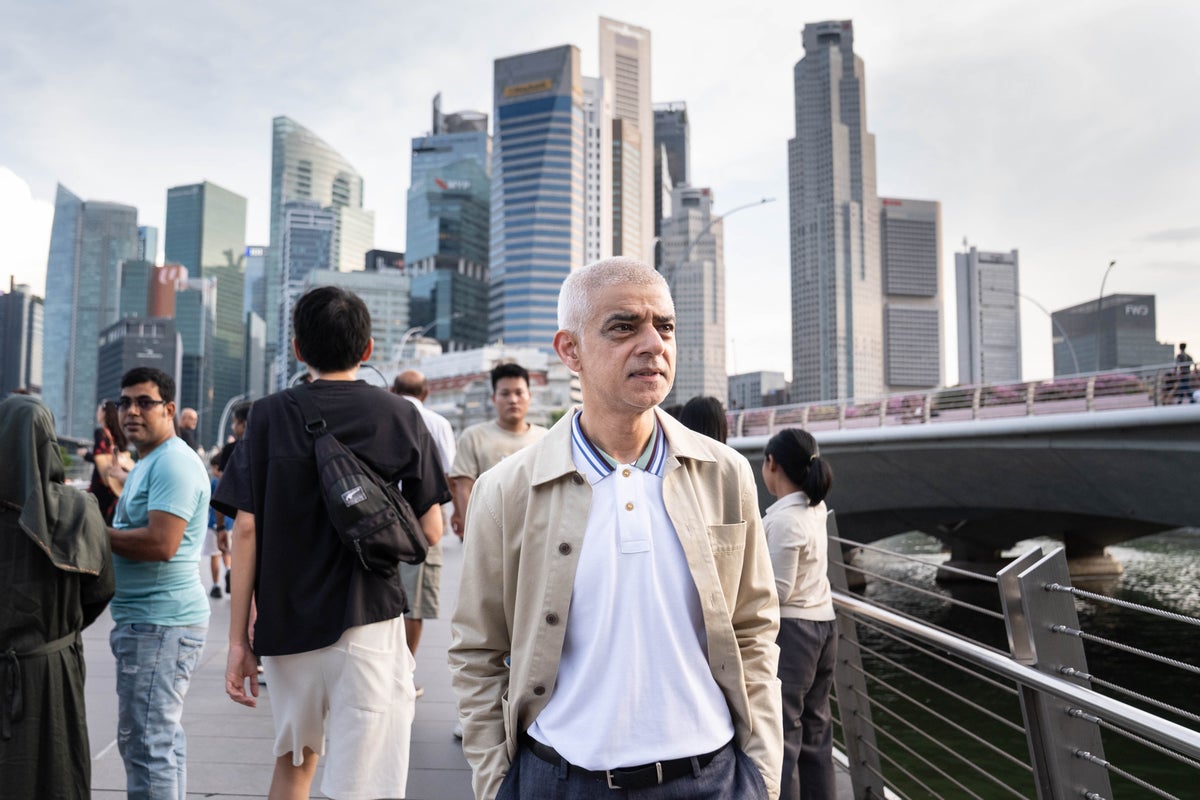
The counter-offensive is already underway in key international markets. During a recent trade mission to Singapore, Mayor Khan unveiled a massive 203-foot digital billboard at Suntec Singapore, one of Asia's premier convention venues, explicitly designed to project London's stability and vibrancy to sovereign wealth funds and corporate investors. This physical manifestation of the campaign underscores the administration's recognition that digital lies must be countered with overwhelming, visible truth in the physical spaces where global capital congregates.
The reputational warfare facing London offers a stark warning for major metropolitan hubs across the African continent. In Nairobi, the tourism and hospitality sectors have historically suffered devastating financial losses due to exaggerated travel advisories, sensationalized security reporting, and localized social media panics. Just as London relies heavily on its 41 billion pound tourism sector, Kenya's economic stability is intrinsically linked to its international perception.
When digital platforms amplify isolated incidents into systemic crises, the economic fallout is immediate and severe. Hotel bookings collapse, conference organizers relocate events, and foreign direct investment stalls. The London strategy demonstrates that modern municipal governments can no longer adopt a passive stance toward digital reputation management; they must aggressively invest capital to defend their civic brand.
As digital falsehoods become increasingly industrialized and weaponized by bad actors, London's aggressive financial response signals a critical shift in municipal governance. Modern cities are discovering that they can no longer afford to leave their global reputations, and their economic survival, to the mercy of unregulated algorithms.
Keep the conversation in one place—threads here stay linked to the story and in the forums.
Sign in to start a discussion
Start a conversation this story and keep it linked here.
E-sports and Gaming Community in Kenya
The Role of Technology in Modern Agriculture (AgriTech)
Popular Recreational Activities Across Counties
Investing in Youth Sports Development Programs
The full story
This article is one source in a clustered incident — the cluster page carries the summary, timeline and every other outlet covering it.
