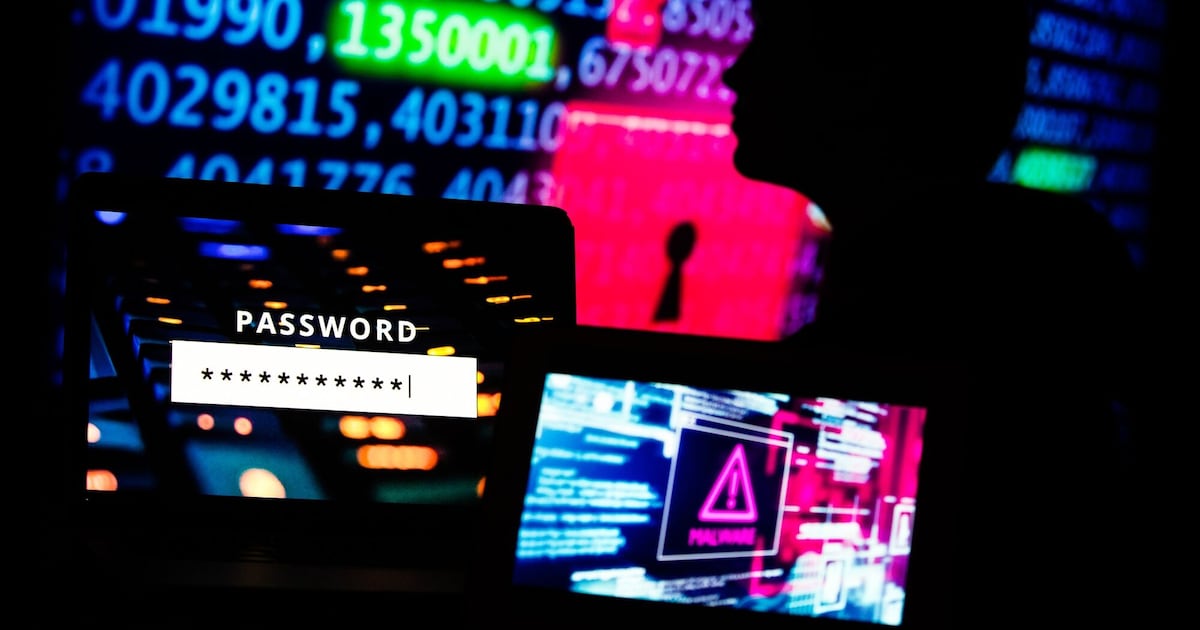
As each day brings a new list of websites or tech companies experiencing service disruptions, cyber-security experts are urging British Columbians to backup their important documents and files while making sure their apps and operating systems are up to date.
Apple has restored apps and services that failed for some users Wednesday, when nearly 200 of the world’s most highly trafficked websites were compromised by hackers—with already-vigilant IT departments on high alert for an increase or new type of suspicious activity.
CTV News asked the B.C. ministry responsible for cyber-security whether any websites or digital infrastructure managed by the provincial government was impacted by Wednesday’s outage and whether there’d been an increase in suspicious activity in recent days.
The Ministry of Citizens’ Services did not answer those questions, but did provide a brief statement.
“Government takes the security of its systems and information seriously and maintains comprehensive controls designed to protect public services, systems, and data,” wrote staff. “The province actively monitors cyber threats and prevents billions of unauthorized access attempts daily to the government network.”
While tech companies and impacted U.S. government agencies investigate, and downplay the possibility of cyber-attacks, speculation is rampant that a co-ordinated effort by bad actors is behind the service disruptions.
Some experts believe there’s already an explanation that involves all those elements, plus artificial intelligence.
“All the bugs which were embedded in the software and deemed low risk are suddenly coming up to fruition,” said Vaclav Vincalek, an IT and cybersecurity advisor based in Vancouver.
He explained that Microsoft’s Outlook update included some 1,800 known bugs, and the fixes somehow went awry. As that was causing havoc in the corporate world, FAA router upgrades went askew, prompting even more disarray—on top of the ongoing discovery of other vulnerabilities in infrastructure known but left unaddressed, often for years.
That’s when hackers act.
“These type of attacks or exploit vulnerabilities work best when there is a chaos, (because) if there is a chaos, people stop acting rationally,” said Vincalek.
Technology analyst Carmi Levy added that while investigations will take some time to come to reliable conclusions, there’s no doubt advances in technology are allowing even laypeople to turn criminal.
“AI allows one hacker, one cybercriminal, one malevolent actor to cover a lot more ground,” he said. “They don’t even have to be experts at hacking, they can just let the (AI) agent do it for them.”
The RCMP tells CTV News it continues to monitor threats and outages and that “there is no evidence that RCMP networks or information have been compromised due to a cyberattack.”
Out of more than two dozen local companies and agencies contacted by CTV News, only a handful replied to say they’re not experiencing any issues and their precautions appear to be appropriate. These include YVR, BCAA, and Simon Fraser University.
With AI facilitating custom-made scams and phishing attempts, Vincalek is urging people to be extra vigilant suspicious emails and texts. He believes we’re in for more short-term turmoil as more vulnerabilities are found and patched.
Levy agrees, warning that “the threat landscape that surrounds all of these systems that we rely on every day has become much more turbulent, much more risk-prone and so the defenses that we have in place—which weren’t built for that—may not be adequate and need to be updated.”
