 Gbhackers
2026 Guide to Adversarial Exposure Validation Tools Released
Article Content

- •The guide evaluates twelve AEV tools based on governance and evidence durability.
- •Pentera and Horizon3.ai are highlighted for their autonomous assessment capabilities.
- •The review stresses the need for tools that fit organizational risk management strategies.
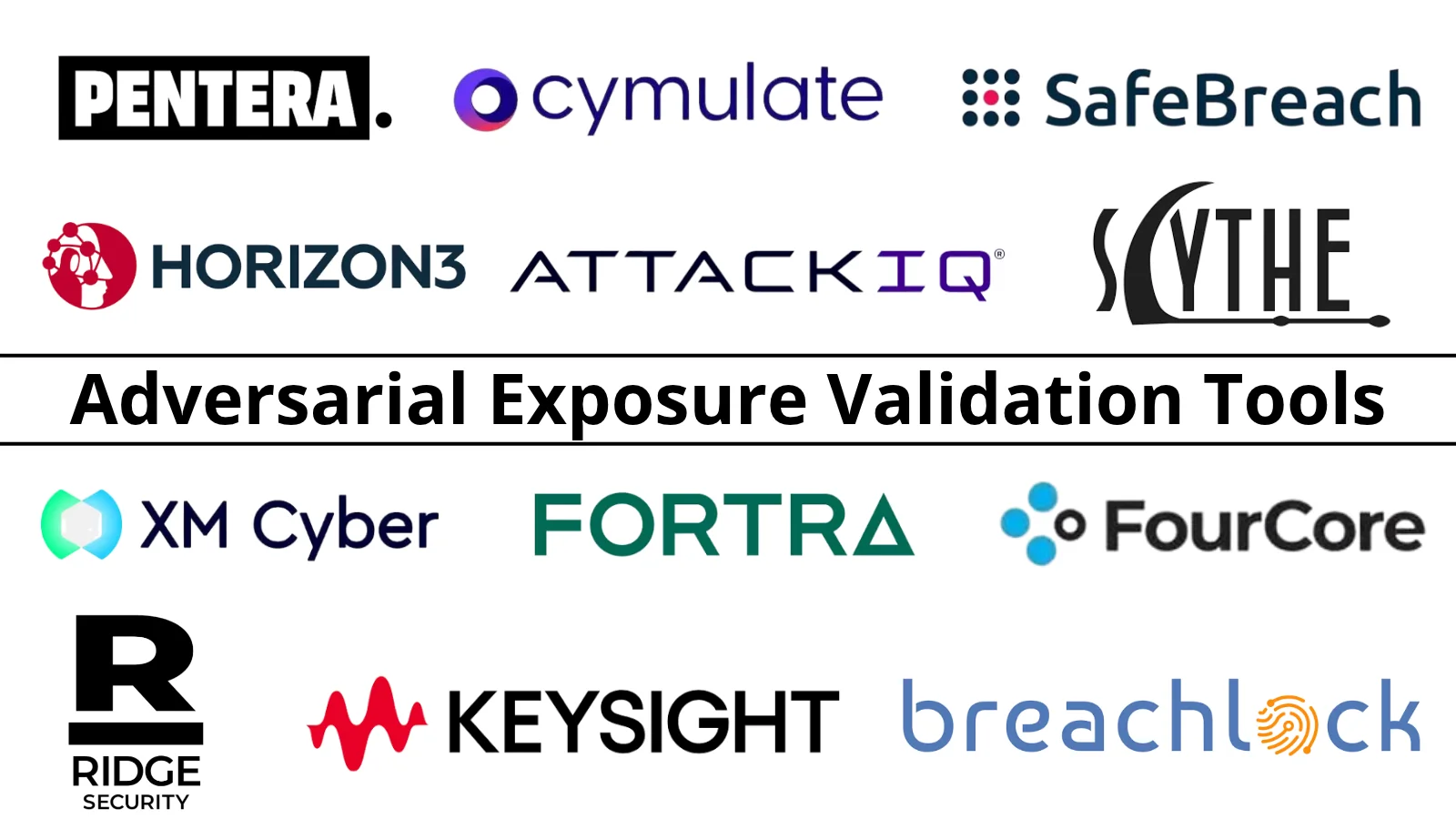
A new buyer's guide published on November 12, 2026, reviews twelve adversarial exposure validation (AEV) tools, merging breach-and-attack simulation and autonomous penetration testing. The guide assesses tools based on governance burden, evidence durability, and pricing clarity. Notable tools include Pentera, which offers autonomous assessments, and Horizon3.ai, providing a self-service assessment platform. The guide emphasizes the importance of selecting tools that align with organizational governance and risk management needs. Picus Security is notably excluded from this review. The tools are aimed at improving security postures by validating attack paths and remediation effectiveness.
Ask AI about this cluster
Answers cite the sources they use
Timeline
More articles in this cluster (3)
Common questions
What are adversarial exposure validation tools?
Why is governance important in selecting AEV tools?
Are there any tools not covered in this guide?
Continue Reading
 Critical RCE Vulnerability in Confection WordPress Plugin (CVE-2026-115252) A critical vulnerability, CVE-2026-115252, has been identified in the Confection WordPress Cable plugin, affecting versions 0.4.0 to 0.4.7. This flaw allows unauthenticated attackers to execute arbitrary PHP code on the server by writing unmodified settings into a PHP file without proper checks. The vulnerability has…
 Critical Code Injection Vulnerability in Staggs Plugin for WordPress A critical code injection vulnerability, CVE-2026-78287, has been identified in the Staggs plugin for WordPress, affecting versions up to 3.3.0. This flaw allows unauthenticated attackers to execute arbitrary code remotely, posing severe risks to affected sites. The vulnerability stems from improper control over code…