 www.doppel.com
AI-Driven Election Scams Target Voters and Campaigns
Article Content

- •AI voice cloning is used in robocalls to impersonate candidates and solicit donations.
- •Political campaigns are targeted through social engineering tactics, including phishing and domain spoofing.
- •Voters are urged to verify information and protect their data against sophisticated scams.
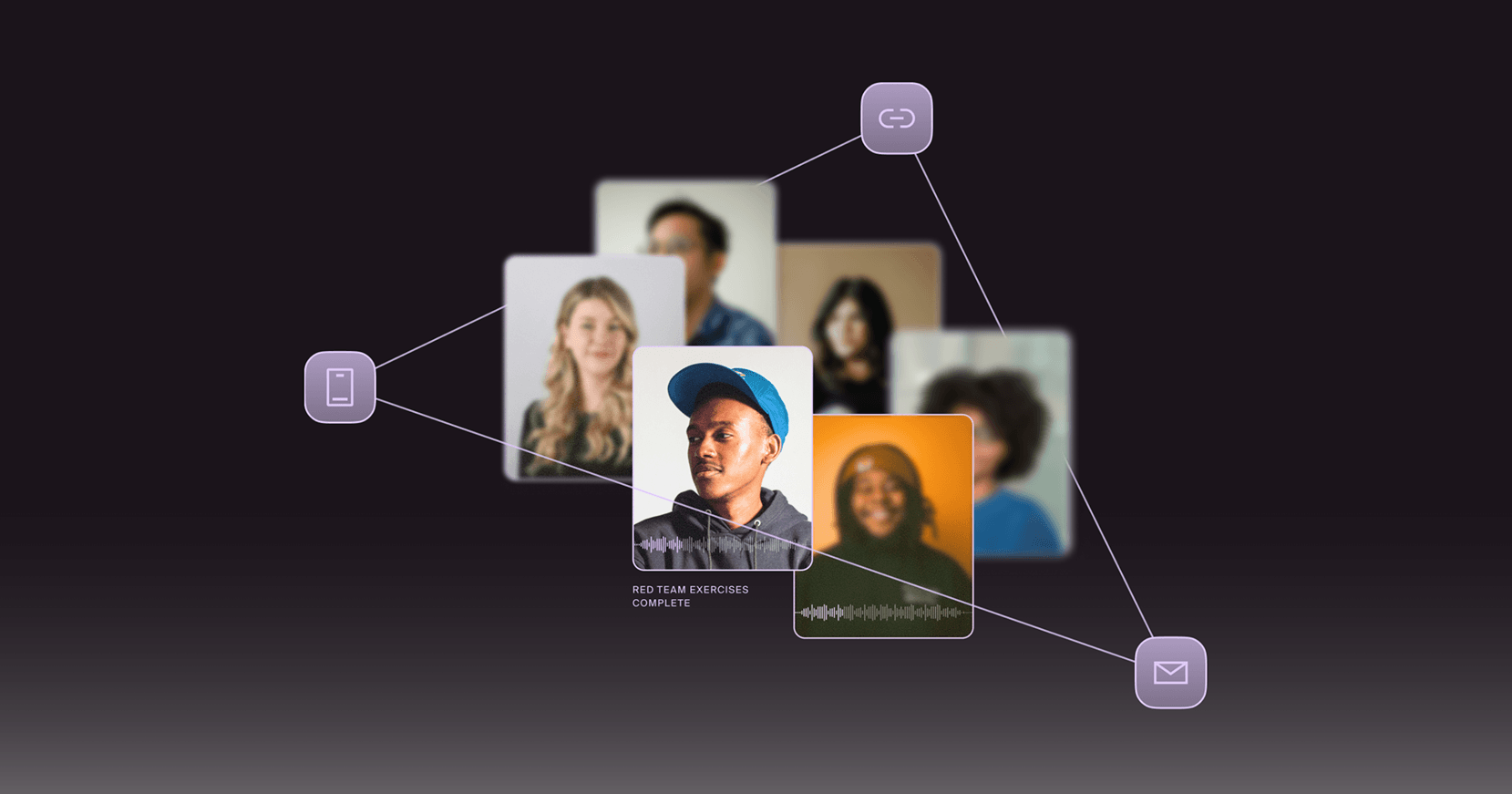
In 2026, cybercriminals are leveraging AI to execute sophisticated election scams targeting both voters and political campaigns. Voters are being deceived through AI voice cloning in robocalls that solicit donations, while campaigns face threats from social engineering tactics aimed at their staff. With 204.6 million Americans registered to vote, the scale of potential fraud is immense, particularly during the midterm elections where numerous seats are contested. Attackers employ methods such as fake donation requests and phishing attempts to exploit civic duty and urgency. Campaigns are also at risk, with attackers creating lookalike domains and fraudulent accounts to siphon funds and damage reputations. The landscape of election interference has shifted from hacking databases to manipulating public perception through targeted social engineering. As a result, both voters and campaigns must enhance their digital security measures to combat these threats effectively.
Ask AI about this cluster
Answers cite the sources they use
Timeline
More articles in this cluster (2)
Following this threat?
Track ActBlue in your own feed — you're alerted when they show up in new reporting, leak sites or exploitation.
Free account · no card needed
Continue Reading
 Lazarus Group Targets 30 South Korean Servers Using PHP Vulnerabilities North Korea-linked Lazarus Group has targeted 30 servers in South Korea as part of a larger cyber operation involving 581 servers across 10 countries. The attacks exploit two critical remote code execution vulnerabilities in PHP (CVE-2026-109618 and CVE-2026-109619), allowing unauthorized server command execution. The…