 United24Media
AI Drones Transforming Warfare in Ukraine Amid High-Tech Arms Race
Article Content

- •Russia's AI drones can navigate using visual landmarks instead of GPS.
- •Ukrainian defense firms are developing advanced drones to counter Russian capabilities.
- •The conflict represents a significant shift in modern warfare dynamics.
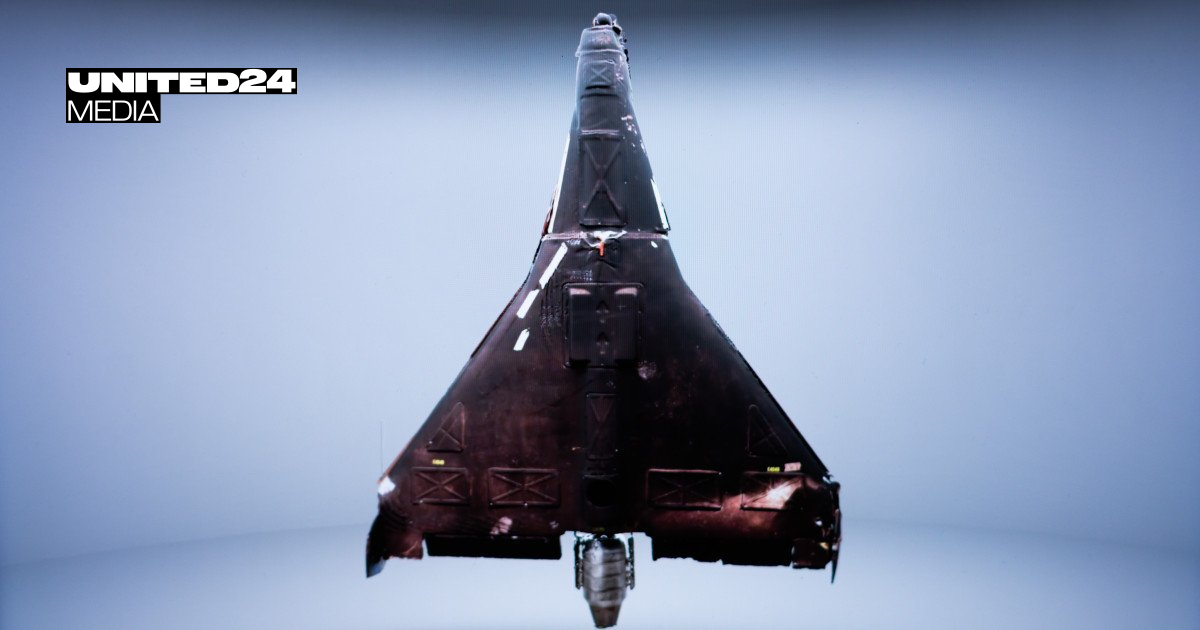
Russia is deploying AI-driven drones that can navigate without GPS and identify targets autonomously, posing significant threats to Ukraine's air defenses. Ukrainian officials highlighted the use of advanced optical systems in Russian drones, which complicate traditional electronic warfare tactics.
These developments are part of a broader arms race, with both Russia and Ukraine enhancing their drone capabilities. Ukrainian defense firms are also producing AI-powered drones to counter Russian advancements.
The situation raises concerns about the future of warfare and the potential for AI to make battlefield decisions. Both nations are adapting their strategies in response to these technological changes.
Ask AI about this cluster
Answers cite the sources they use
Timeline
More articles in this cluster (3)
Following this threat?
Track Odd Systems in your own feed — you're alerted when they show up in new reporting, leak sites or exploitation.
Free account · no card needed
Common questions
What technologies are Russian drones using?
How is Ukraine responding to these drone threats?
What is the significance of AI in this conflict?
Continue Reading
 Broadcom patches critical VMware vCenter auth bypass flaws Broadcom disclosed VMware Security Advisory VMSA-2026-0009 on November 19, 2026, covering vulnerabilities in VMware vCenter, Tools, and SDDC Manager. CVE-2026-123890, a CVSS 9.8 authentication bypass in the VMware Directory Service, is listed in CISA's KEV catalog, which the verified record gives as 2026-11-20.…
 CVE-2026-123890: Auth bypass in VMware vCenter exploited by Armory Castle before patch CVE-2026-123890, a flaw in VMware vCenter Server rated CVSS 9.8, allows an unauthenticated remote attacker to obtain an administrator session on the platform. According to the Google Threat Intelligence Group, the flaw was exploited by the espionage group Armory Castle (formerly UNC5221), which has suspected China…