 Semafor
AI Infrastructure Buildout Faces Financial Turmoil
Article Content

- •SoftBank canceled orders for gas equipment, signaling potential instability in AI infrastructure investments.
- •Nvidia's founder Jensen Huang's resignation has heightened investor concerns about future AI funding.
- •Despite setbacks, companies like Siemens Energy anticipate significant growth in dividends due to ongoing demand.
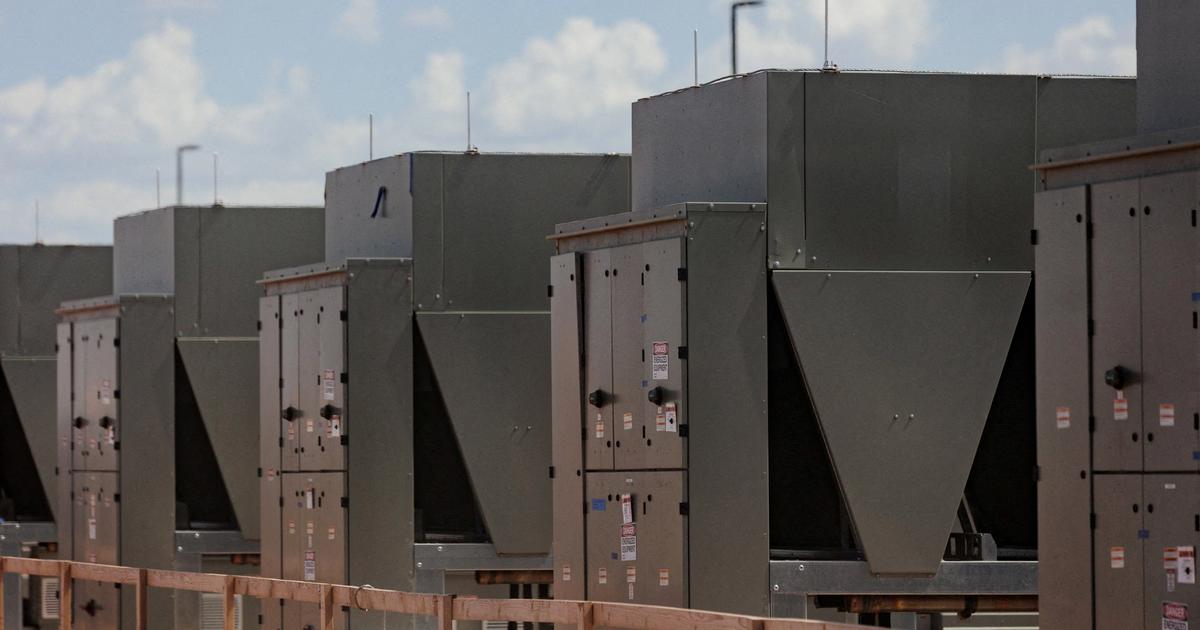
SoftBank has canceled a significant number of orders for gas-producing equipment intended for the AI hardware buildout, leading to concerns about the sustainability of the AI infrastructure expansion. This cancellation follows a period of intense investment and debt accumulation by hyperscalers in the AI sector. The resignation of Nvidia's founder, Jensen Huang, has also contributed to investor anxiety regarding future funding for AI hardware. Despite these setbacks, some companies like Siemens Energy are still projecting growth, expecting to triple their dividends in 2027 due to the ongoing demand from data centers. The overall sentiment in the industry remains cautious, with some experts suggesting that the current situation is a temporary blip rather than a long-term downturn. The energy demands of US data centers continue to rise, with a recent study indicating their carbon emissions are comparable to those of entire countries. However, the lack of a cohesive sustainability pledge from larger nations at COP31 raises concerns about the environmental impact of this growth.
Ask AI about this cluster
Answers cite the sources they use
Timeline
More articles in this cluster (4)
Common questions
What led to SoftBank's decision to cancel orders?
How has Jensen Huang's resignation affected the market?
What is the current outlook for AI infrastructure growth?
Continue Reading
 Critical Code Injection Vulnerability in Staggs Plugin for WordPress A critical code injection vulnerability, CVE-2026-78287, has been identified in the Staggs plugin for WordPress, affecting versions up to 3.3.0. This flaw allows unauthenticated attackers to execute arbitrary code remotely, posing severe risks to affected sites. The vulnerability stems from improper control over code…
 Lazarus Group Targets 30 South Korean Servers Using PHP Vulnerabilities North Korea-linked Lazarus Group has targeted 30 servers in South Korea as part of a larger cyber operation involving 581 servers across 10 countries. The attacks exploit two critical remote code execution vulnerabilities in PHP (CVE-2026-109618 and CVE-2026-109619), allowing unauthorized server command execution. The…