 jonpenney.com
AI Surveillance Threatens Human Rights, Expert Testifies
Article Content
Browse articles 
- •AI is enhancing mass surveillance and targeting capabilities.
- •Deepfakes are increasing disinformation risks in media.
- •Penney calls for government action to protect human rights.
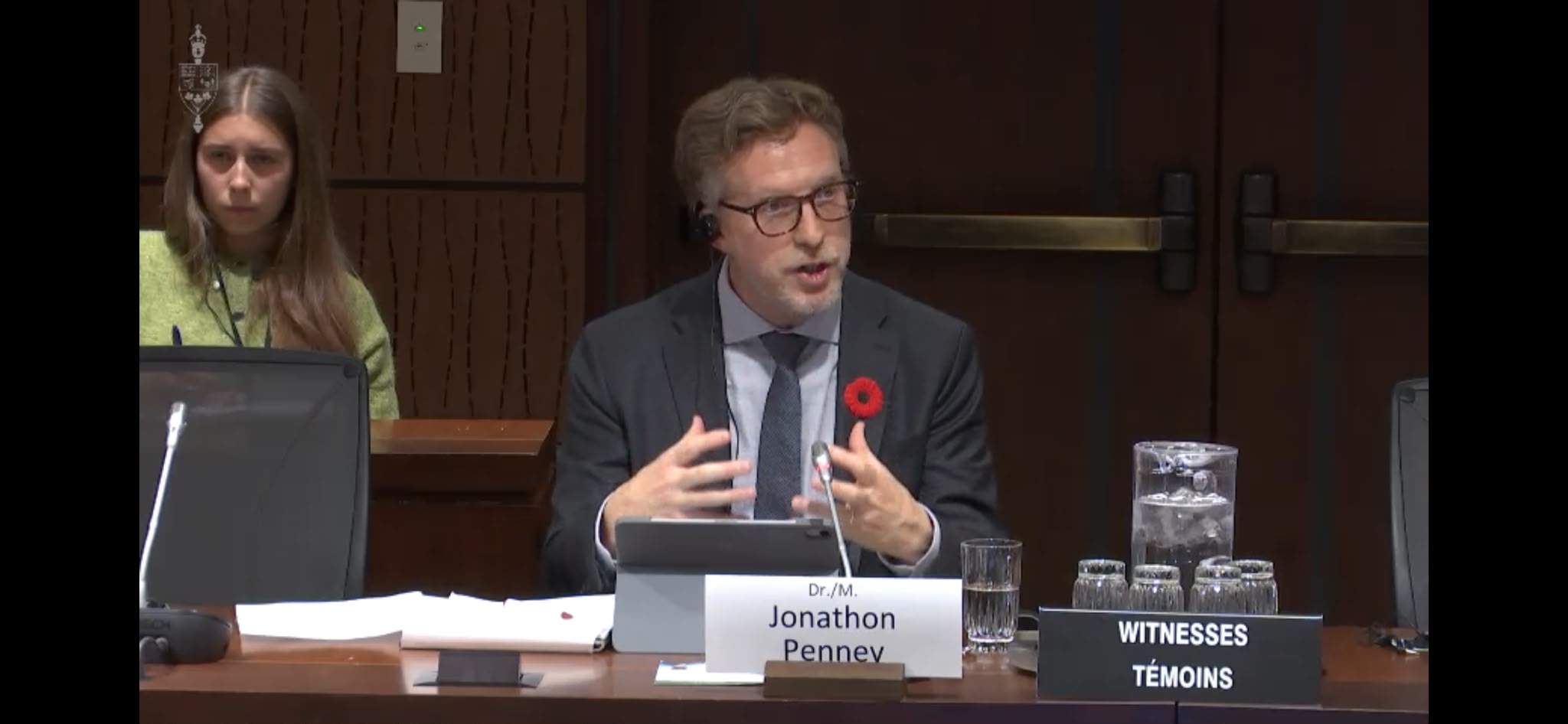
Jon Penney testified before Canada's House of Commons Sub-Committee on International Human Rights, highlighting the dual impact of artificial intelligence on human rights. He stated that AI enhances mass surveillance capabilities, making it easier to track and target individuals, particularly journalists and dissidents. The use of AI-generated deepfakes exacerbates disinformation, complicating media integrity. Penney cited specific instances, including AI tools used to track Uyghurs and monitor protests in Canada. He urged the government to implement restrictions on surveillance practices and demand accountability from AI companies.
Ask AI about this cluster
Answers cite the sources they use
Updated 7d ago How this analysis works
Timeline
2026-11-06
Penney's opening statement published
Penney's statement outlined the chilling effects of AI surveillance on human rights activism.
jonpenney.com2026-11-16
Jon Penney testifies on AI and human rights
Penney presented evidence of AI's role in mass surveillance and human rights abuses to the House of Commons.
Citizenlab.CaMore articles in this cluster (2)
Common questions
What specific abuses did Penney mention?
Penney highlighted AI's use in tracking Uyghurs and monitoring protests, which poses risks to activists.
What actions does Penney recommend?
He recommends restricting surveillance, increasing transparency from AI companies, and holding enablers accountable.
How does AI affect media integrity?
AI-generated deepfakes contribute to disinformation, complicating the media landscape and public trust.
Continue Reading
 CVE-2026-123890: Auth bypass in VMware vCenter exploited by Armory Castle before patch CVE-2026-123890, a flaw in VMware vCenter Server rated CVSS 9.8, allows an unauthenticated remote attacker to obtain an administrator session on the platform. According to the Google Threat Intelligence Group, the flaw was exploited by the espionage group Armory Castle (formerly UNC5221), which has suspected China…