 Ch-Aviation
 US-Iran Sanctions Framework Agreement Set to Transform Oil Trade
Article Content

- •The US and Iran are set to sign a MoU on June 19, 2026, potentially lifting all sanctions.
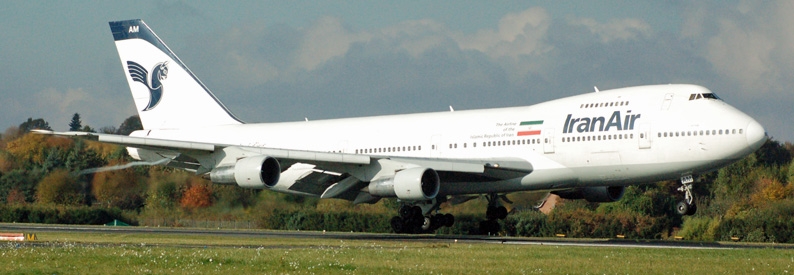
- •Iranian airlines could acquire aircraft from abroad for the first time in over a decade.
- •The sanctions framework will likely transition to temporary waivers, primarily benefiting China.
The US and Iran are preparing to sign a memorandum of understanding in Geneva on June 19, 2026, aimed at lifting sanctions on Iran, including those affecting its airlines. The draft agreement reportedly includes provisions to end all US sanctions, allowing Iranian airlines to acquire aircraft from abroad for the first time in over a decade. While the US denies that Iran will receive frozen cash simply for signing, the deal could release up to $25 billion in assets and establish a $300 billion reconstruction fund contingent on a final peace agreement. Analysts predict that the sanctions will be replaced by temporary waivers, limiting the market for Iranian oil primarily to China. The sanctions framework remains complex, with enforcement mechanisms still in place, making the complete withdrawal of sanctions challenging. The geopolitical implications of this agreement could reshape oil trade dynamics in the region.
Ask AI about this cluster
Answers cite the sources they use
Timeline
More articles in this cluster (3)
Continue Reading
 Critical Zero-Day Vulnerability in Cisco Secure Email Gateway Exploited On September 14, 2026, Cisco disclosed a critical SQL injection vulnerability (CVE-2026-76461) in its Secure Email Gateway, allowing unauthenticated remote attackers to execute arbitrary commands with root privileges. This vulnerability arises from insufficient validation in the email parsing logic. Cisco confirmed…
  Critical WSO2 API Manager Vulnerability Under Active Exploitation A critical vulnerability (CVE-2026-5430) in WSO2 API Manager is being actively exploited, allowing unauthenticated attackers to forge admin tokens via JWT authentication bypass. This flaw, which has a CVSS score of 10.0, affects multiple WSO2 products including API Manager, Universal Gateway, Traffic Manager, and API…