 Gizmodo
Antarctic Ocean Salinity Changes Pose Global Climate Risks
Article Content

- •Antarctic Intermediate Water is rapidly increasing in salinity and density.
- •The decline in Antarctic sea ice since 2016 is driving these changes.
- •Impacts could affect global climate systems and ocean dynamics significantly.
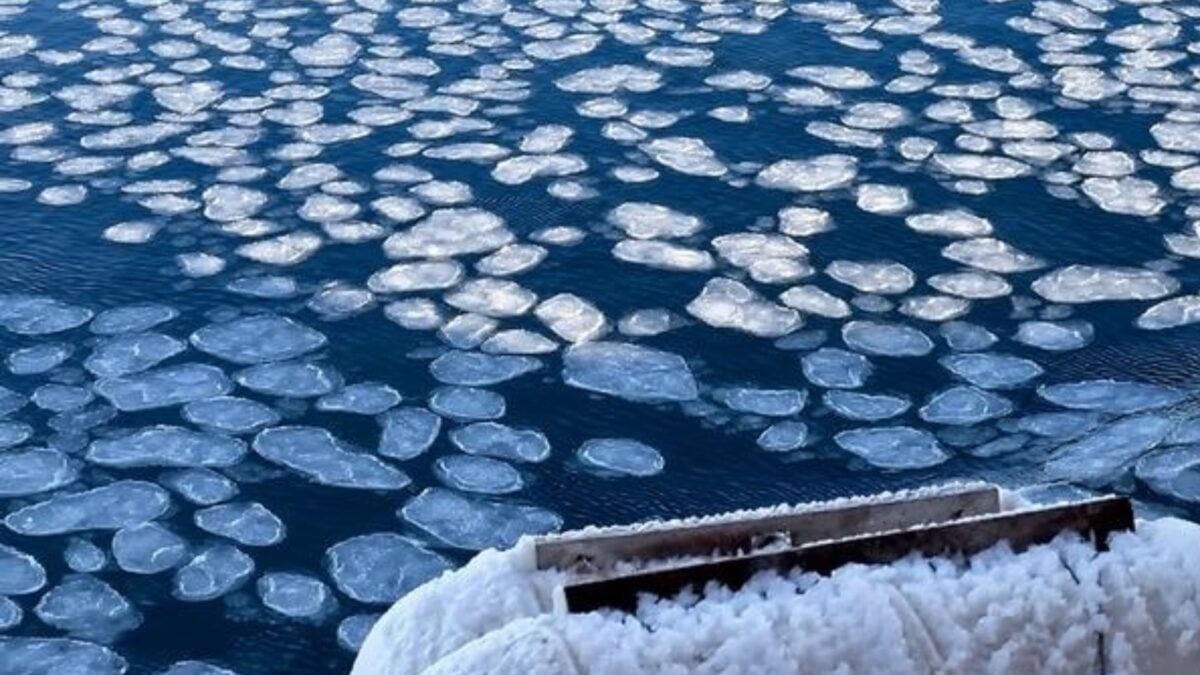
Recent studies indicate that the Antarctic Intermediate Water (AAIW) is becoming saltier, denser, and deeper due to a significant decline in Antarctic sea ice since 2016. This change could disrupt global ocean dynamics and climate patterns, as the AAIW plays a crucial role in regulating ocean temperatures and carbon distribution. The last time such a shift occurred was 130,000 years ago, suggesting potential long-term impacts on sea levels and weather systems. Researchers utilized data from the global Argo program and satellite observations to confirm these changes, which are occurring at an alarming rate of 0.002 grams of salt per pound of water each decade. The implications of these findings extend beyond Antarctica, affecting ecosystems and climate systems worldwide. Experts emphasize the need for further research and monitoring to understand the permanence of these changes and their broader consequences.
Ask AI about this cluster
Answers cite the sources they use
Timeline
More articles in this cluster (7)
Common questions
What are the implications of the AAIW changes?
How quickly are these changes occurring?
What research supports these findings?
Continue Reading
 Critical RCE Vulnerability in Confection WordPress Plugin (CVE-2026-115252) A critical vulnerability, CVE-2026-115252, has been identified in the Confection WordPress Cable plugin, affecting versions 0.4.0 to 0.4.7. This flaw allows unauthenticated attackers to execute arbitrary PHP code on the server by writing unmodified settings into a PHP file without proper checks. The vulnerability has…
 Critical Code Injection Vulnerability in Staggs Plugin for WordPress A critical code injection vulnerability, CVE-2026-78287, has been identified in the Staggs plugin for WordPress, affecting versions up to 3.3.0. This flaw allows unauthenticated attackers to execute arbitrary code remotely, posing severe risks to affected sites. The vulnerability stems from improper control over code…