 webkit.org
Apple Enhances Safari to Block Email-Based Tracking
Article Content

- •Apple's new Safari protections block email-based tracking identifiers.
- •The update prevents third parties from collecting email addresses for profiling.
- •Protections are included in iOS, iPadOS, macOS, and visionOS 27.
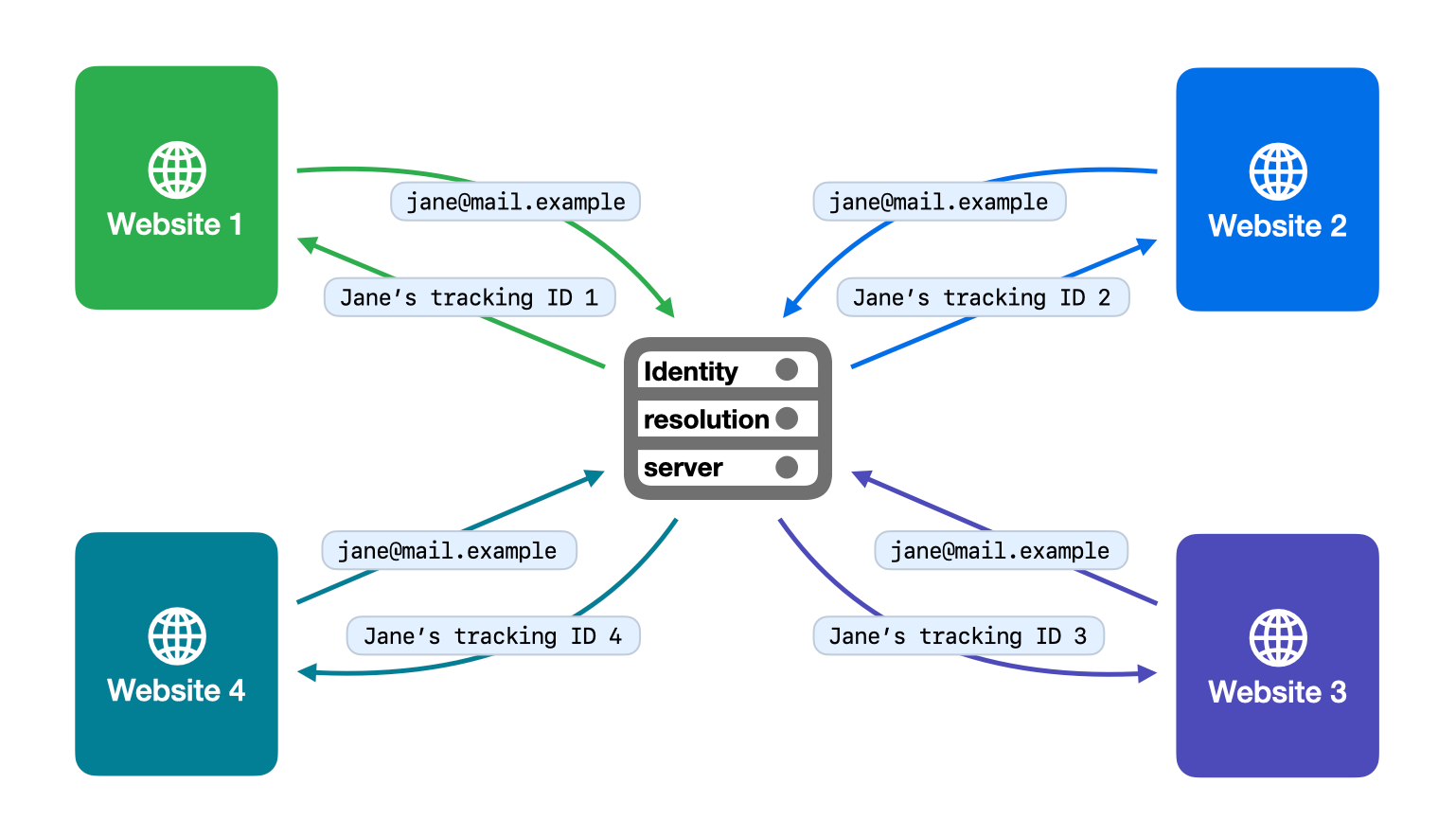
Apple has implemented new anti-tracking protections in Safari and WebKit, blocking connections to identity resolution services that convert email addresses into persistent tracking identifiers. This update is included in the latest releases of iOS, iPadOS, macOS, and visionOS. The protections prevent third parties from collecting email addresses entered on websites, which could be used for profiling and ad targeting without user consent. Users often remain unaware that their email addresses can be used for long-term tracking across multiple sites. The new measures aim to enhance user privacy by restricting how personal information can be repurposed for tracking. The protections apply at the domain level, making it difficult for services to bypass them. Apple emphasizes that first-party personalization remains unaffected by these new restrictions. The update reflects Apple's ongoing commitment to user privacy, following previous measures against cookie-based tracking.
Ask AI about this cluster
Answers cite the sources they use
Timeline
More articles in this cluster (4)
Common questions
What does the new update do?
Which devices are affected by this update?
How can users further protect their email privacy?
Continue Reading
 Volt Typhoon's Silent Train Network Targets US Critical Infrastructure The Chinese state-sponsored hacking group Volt Typhoon has been linked to a covert network called Silent Train, which has exploited at least four zero-day vulnerabilities over three years. This network utilizes rapidly rotating chains of compromised SOHO routers, IoT devices, and enterprise infrastructure to access…
 GitLab Issues Emergency Patch for Critical RCE Vulnerability GitLab has released emergency patches for a critical remote code execution vulnerability, CVE-2026-97229, affecting its Community and Enterprise Editions. This flaw, stemming from an integer overflow in the CI/CD regular expression compiler, allows unauthenticated attackers to execute arbitrary code via specially…