 Iphoneislam
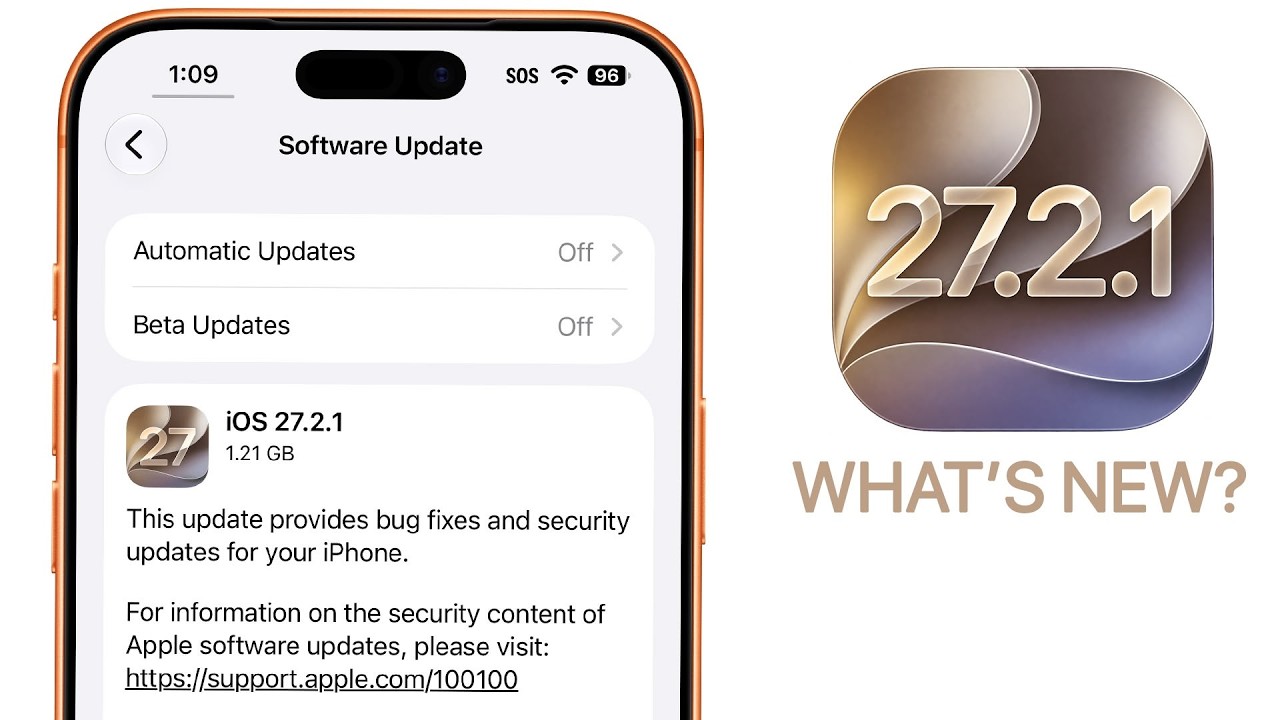
Apple iOS 27.2.1 Update Fixes iMessage Group Vulnerabilities
Article Content

- •iOS 27.2.1 fixes critical iMessage vulnerabilities allowing unauthorized message access.
- •Related flaws could let remote attackers join iMessage groups and intercept messages.
- •Apple advises all users to update their devices to prevent potential exploitation.
Apple released iOS 27.2.1 on November 9, 2026, to address vulnerabilities in iMessage group chats. A bug allowed new members to see messages sent before they joined, potentially exposing sensitive information. Additionally, a related flaw could enable remote attackers to join group chats and access messages. The update also patched vulnerabilities in Bluetooth and AirPlay services. Apple confirmed that these issues had not been actively exploited but warned that devices could be targeted. Users are urged to update their devices promptly to mitigate these risks. The update affects iPhone, iPad, Mac, Apple Watch, and Vision Pro devices.
Ask AI about this cluster
Answers cite the sources they use
Timeline
More articles in this cluster (2)
Following this threat?
Track CVE-2026-111497 in your own feed — you're alerted when they show up in new reporting, leak sites or exploitation.
Free account · no card needed
Common questions
What devices are affected by the vulnerabilities?
Have these vulnerabilities been exploited?
What should users do to protect themselves?
Continue Reading
 China-Linked Hackers Exploit PHP2Shell Vulnerabilities to Breach U.S. Government Systems On October 21, 2026, the PHP development team released patches for two critical vulnerabilities in PHP, known as PHP2Shell (CVE-2026-109618 and CVE-2026-109619), which allow unauthenticated remote code execution. These vulnerabilities were actively exploited by a suspected China-linked threat actor who compromised 25…
 Brotli Decoder Vulnerability Patched Across Multiple Linux Distributions A vulnerability, CVE-2026-111497, affecting the Brotli decoder has been patched in various Linux distributions, including Fedora 44 and Oracle Linux 10. The flaw allows for an out-of-bounds write, which could potentially enable attackers to execute arbitrary code. The vulnerability was published on October 22, 2026…