 www.chinadailyhk.com
China opposes proposed US outbound investment restrictions covering biotechnology
Article Content

- •US Treasury released proposed outbound investment rules targeting China for public comment, which China says abuse national security.
- •The Foreign Ministry says the US Treasury proposal adds biotechnology as a new prohibited technology category, per media reports.
- •China says it reserves the right to take corresponding measures but has not specified any.
- •No cyber vulnerability, malware or threat actor is involved in the reporting.
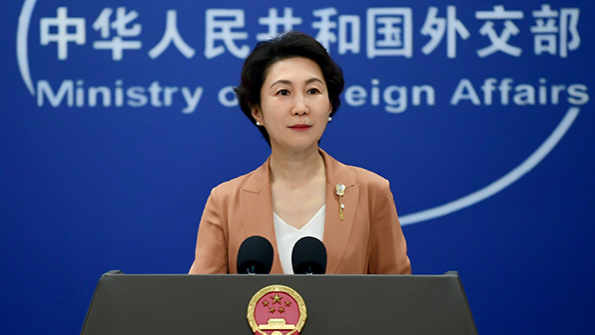
China's Ministry of Commerce expressed strong opposition to newly proposed US Treasury outbound investment rules targeting China, released for public comment on Friday, and said it reserves the right to take corresponding measures. The ministry said the proposed rules would discriminatorily broaden investment restrictions targeting China and abuse the concept of national security. It said the measures disrupt normal economic and trade cooperation between Chinese and US businesses. On the same Friday, Foreign Ministry spokesperson Mao Ning, responding to reports that the US Treasury proposed adding biotechnology as a new prohibited technology category under the outbound investment security program, urged the US to abide by market economy principles and stop disrupting enterprise cooperation. Mao said China will closely follow developments and take necessary measures to safeguard its legitimate rights and interests. The articles do not describe any cyber incident, vulnerability or threat actor; this is a trade and investment policy dispute.
Ask AI about this cluster
Answers cite the sources they use
Timeline
More articles in this cluster (2)
Common questions
Does this affect my organisation's cyber posture?
Which sectors are named in the proposal?
Has China announced countermeasures?
Continue Reading
 CVE-2026-123890: Auth bypass in VMware vCenter exploited by Armory Castle before patch CVE-2026-123890, a flaw in VMware vCenter Server rated CVSS 9.8, allows an unauthenticated remote attacker to obtain an administrator session on the platform. According to the Google Threat Intelligence Group, the flaw was exploited by the espionage group Armory Castle (formerly UNC5221), which has suspected China…