 Asiatimes
China's TBM export controls and Japan's chip strategy reshape Asia-Pacific tech and infrastructure leverage
Article Content

- •China's MOFCOM Announcement No. 50 of 2026 placed export controls on tunnel boring machines, effective mid-APEC on 18 November.
- •Chinese manufacturers reportedly account for about 70% of global TBM production, over 700 units annually.
- •Japan reportedly plans to mobilise 370 trillion yen across 17 sectors to 2040, with semiconductors and AI at the top.
- •No cyber intrusion, vulnerability or CVE is reported; the story concerns trade and industrial policy.
- •Both articles come from a single outlet, Asia Times, and rely on cited third-party data.
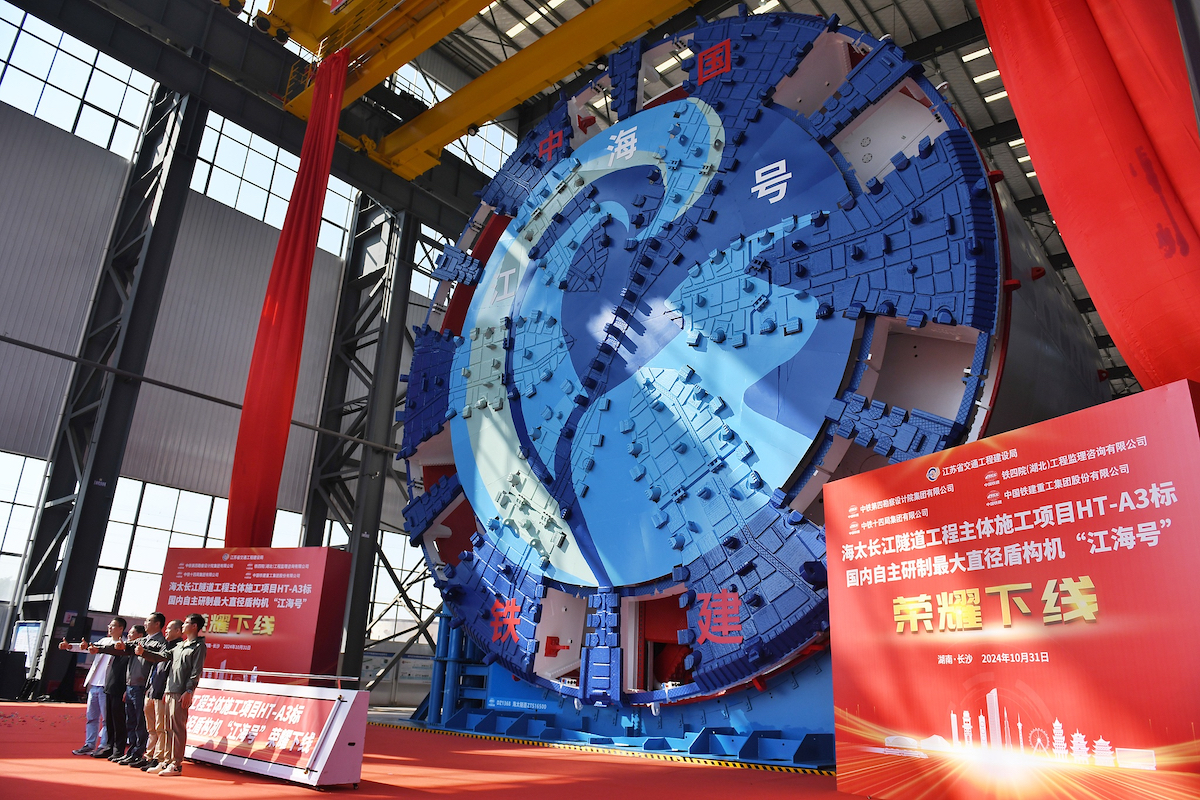
Two Asia Times analyses published 21 and 23 November 2026 describe China's use of economic levers around APEC in Shenzhen. Article 2 reports that China's Ministry of Commerce Announcement No. 50 of 2026, effective mid-APEC on 18 November, placed export restrictions on tunnel boring machines (TBMs). The article states China accounts for roughly 70% of global TBM production (citing the Payne Institute), with CREG ranked first worldwide for nine consecutive years. UN Comtrade data cited in the article shows China exported about US$793 million of tunnelling machinery under HS 843031 in 2025, versus US$109 million from the United States. Leaders of Indonesia, Australia, Singapore, Malaysia and Thailand held bilateral meetings with Xi Jinping in Shenzhen, and Beijing and Jakarta reportedly launched talks on a Bilateral Comprehensive Economic Partnership. Article 1 reports that brief sideline contacts between Xi and Japanese Prime Minister Sanae Takaichi occurred without formal bilateral talks. It describes Japan's plan to mobilise 370 trillion yen across 17 strategic sectors through 2040, with semiconductors and AI prioritised, ahead of a December revision of Japan's national security documents. Neither article reports cyber intrusions, vulnerabilities, or CVEs; the coverage concerns trade and industrial policy.
Ask AI about this cluster
Answers cite the sources they use
Timeline
More articles in this cluster (2)
Following this threat?
Track Herrenknecht AG in your own feed — you're alerted when they show up in new reporting, leak sites or exploitation.
Free account · no card needed
Common questions
Does this affect my infrastructure procurement?
Is there a cyber or vulnerability component?
How reliable is the reporting?
Continue Reading
 PHP Security Updates Patch 18 Flaws, Including CVSS 9.2 PHP-FPM Request Smuggling Bug Security updates for PHP addressing 18 vulnerabilities across the core engine, session handling, PHP-FPM, and CGI were released on 19 November 2026, according to CERT-PH. The most critical flaw, CVE-2026-129289, is a PHP-FPM request smuggling vulnerability rated CVSS 9.2, which CERT-PH says may allow unauthenticated…