 the-european.eu
Cultural Heritage Sites in Iran Damaged Amid Ongoing Conflict
Article Content

- •U.S. airstrikes in March 2026 damaged multiple historic sites in Iran.
- •Golestan Palace, a UNESCO World Heritage Site, suffered significant destruction.
- •The ongoing conflict threatens Iran's cultural heritage and identity.
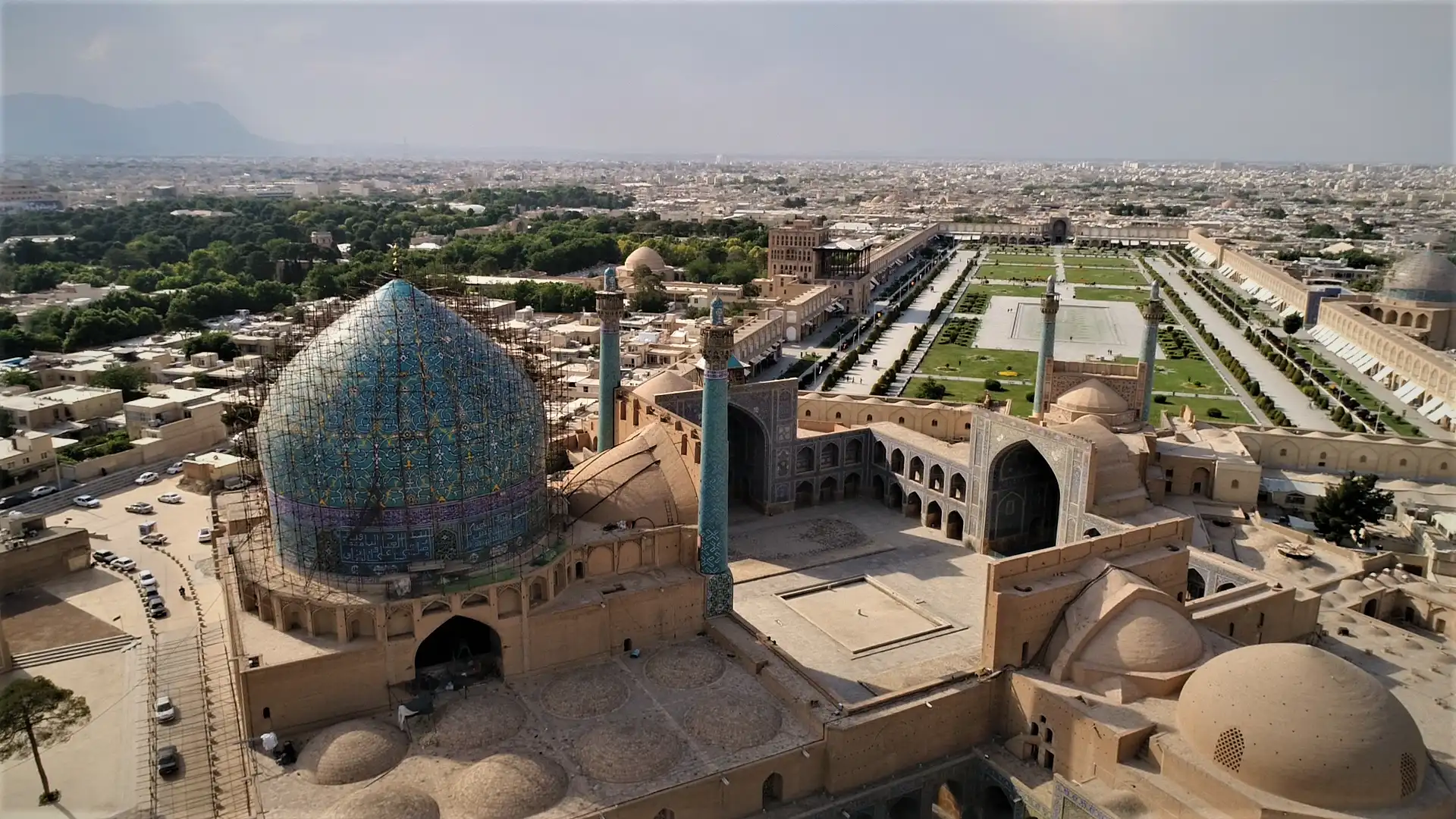
In March 2026, U.S. airstrikes targeted areas in Iran, resulting in significant damage to historic sites, including the Golestan Palace and monuments in Isfahan. The strikes affected UNESCO World Heritage Sites, with reports indicating widespread destruction across Iran's cultural heritage. The conflict has escalated since February 2026, leading to urgent calls for international attention to protect these sites. The damage to Golestan Palace, a symbol of Iranian heritage, has drawn particular concern from archaeologists and cultural historians. The ongoing war has raised alarms about the preservation of Iran's rich cultural identity, which is at risk due to military actions. The situation highlights the historical context of U.S.-Iran relations, where cultural heritage once served as a diplomatic bridge.
Ask AI about this cluster
Answers cite the sources they use
Timeline
More articles in this cluster (5)
Common questions
What sites were damaged?
What is the current status of these sites?
How can international bodies respond?
Continue Reading
 Lazarus Group Targets 30 South Korean Servers Using PHP Vulnerabilities North Korea-linked Lazarus Group has targeted 30 servers in South Korea as part of a larger cyber operation involving 581 servers across 10 countries. The attacks exploit two critical remote code execution vulnerabilities in PHP (CVE-2026-109618 and CVE-2026-109619), allowing unauthorized server command execution. The…