 News.Ycombinator
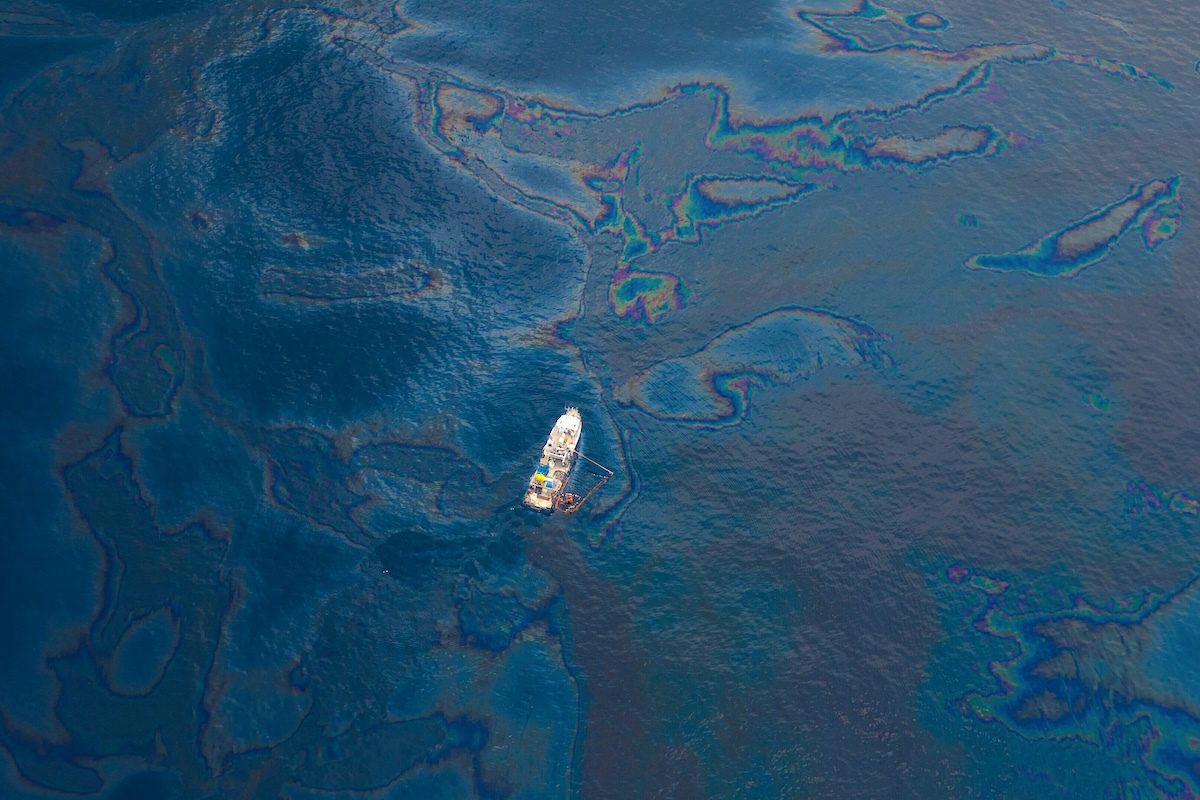
Deepwater Horizon Oil Spill: Ecosystem Recovery Stalled After 16 Years
Article Content

- •Deep-sea life in the Gulf of Mexico has declined by 60-85% since the 2010 spill.
- •The study identifies the Deepwater Horizon spill as the primary cause of this ecological collapse.
- •Ongoing restoration efforts and a significant settlement from BP have not led to noticeable recovery.
Sixteen years after the Deepwater Horizon oil spill, a new study reveals that deep-sea life in the Gulf of Mexico shows little sign of recovery. Populations of key species such as octopus, squid, krill, and shrimp have declined by 60 to 85 percent since the spill, with genetic diversity also suffering. The study, published in the Proceedings of the National Academy of Sciences, attributes this decline primarily to the oil spill, which released over 4 million barrels of oil into the ocean. Despite ongoing restoration efforts and a $20.8 billion settlement from BP, researchers indicate that the ecosystem's recovery remains uncertain. The findings suggest that lingering pollution may impair reproduction and development in marine life, further complicating recovery efforts. Comprehensive assessments of damage and restoration are still underway, with the potential for industrial deep-sea mining to exacerbate the situation.
Ask AI about this cluster
Answers cite the sources they use
Timeline
More articles in this cluster (2)
Common questions
What species are most affected by the oil spill?
What are the ongoing efforts for ecosystem recovery?
What are the implications of lingering pollution?
Continue Reading
 Critical RCE Vulnerability in Confection WordPress Plugin (CVE-2026-115252) A critical vulnerability, CVE-2026-115252, has been identified in the Confection WordPress Cable plugin, affecting versions 0.4.0 to 0.4.7. This flaw allows unauthenticated attackers to execute arbitrary PHP code on the server by writing unmodified settings into a PHP file without proper checks. The vulnerability has…
 Critical Code Injection Vulnerability in Staggs Plugin for WordPress A critical code injection vulnerability, CVE-2026-78287, has been identified in the Staggs plugin for WordPress, affecting versions up to 3.3.0. This flaw allows unauthenticated attackers to execute arbitrary code remotely, posing severe risks to affected sites. The vulnerability stems from improper control over code…