 Dig.Watch
Digital Surveillance and Data Breaches Surge in Latin America
Article Content

- •Derechos Digitales documented over 100 cases of digital surveillance and data breaches in Latin America.
- •Countries like Venezuela and Argentina are using spyware and cyberpatrolling against citizens.
- •The report highlights the need for legal safeguards and independent oversight to protect human rights.
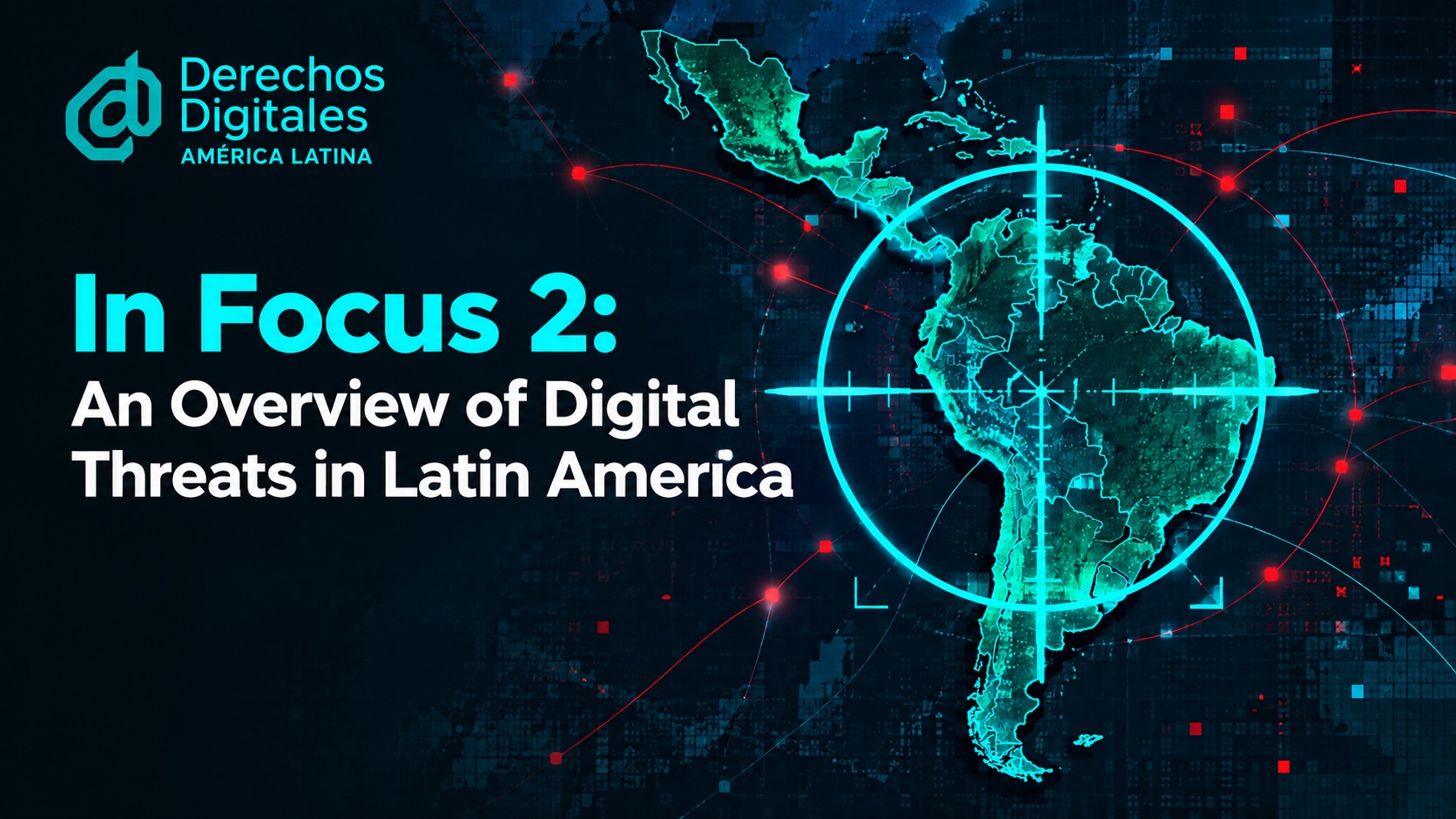
The nonprofit Derechos Digitales released a report detailing over 100 cases of digital surveillance and data leaks across Latin America from June 2024 to May 2025. Countries like Venezuela, Nicaragua, Paraguay, and Argentina are highlighted for various abuses, including the blocking of messaging apps, domain seizures of independent media, and large-scale data breaches affecting millions. In Venezuela, spyware is reportedly used against activists and journalists, while in Argentina, over 665,000 medical records were put up for sale. The report emphasizes that these incidents reflect broader issues of political power and human rights violations. Additionally, the reliance on imported surveillance technologies exacerbates the situation, creating dependencies that undermine local governance. The findings indicate a troubling convergence of technical vulnerabilities and governance failures, necessitating urgent legal safeguards and independent oversight.
Ask AI about this cluster
Answers cite the sources they use
Timeline
More articles in this cluster (2)
Following this threat?
Track Signal in your own feed — you're alerted when they show up in new reporting, leak sites or exploitation.
Free account · no card needed
Common questions
What types of digital threats are reported?
Which countries are most affected?
What actions are recommended to address these issues?
Continue Reading
 CVE-2026-123890: Auth bypass in VMware vCenter exploited by Armory Castle before patch CVE-2026-123890, a flaw in VMware vCenter Server rated CVSS 9.8, allows an unauthenticated remote attacker to obtain an administrator session on the platform. According to the Google Threat Intelligence Group, the flaw was exploited by the espionage group Armory Castle (formerly UNC5221), which has suspected China…