 Aa.Tr
Drones Seeding Burned Forests in Türkiye; Iran Vows to Break US Naval Blockade
Article Content

- •Eight drones seeded burned forest areas in İzmir, Çanakkale and Bursa with about 15 kg of pine seed per hectare.
- •Carbon cubes made from plant waste are used on steep, rocky terrain to protect seeds and improve germination.
- •Germination results are expected next year, according to the project lead.
- •Iran's parliament speaker said Iran would act militarily to break a US naval blockade, with no specifics given.
- •The articles report no cybersecurity event.
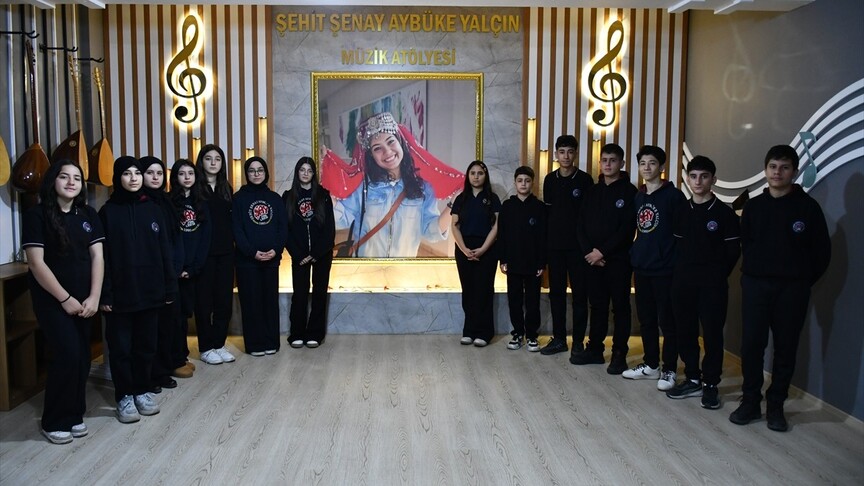
Turkish academics from Karadeniz Technical University, Artvin Çoruh University and a retired professor have launched a project using drones to reforest areas burned by wildfires, with Forest General Directorate support. The team, formed last year, surveyed burned areas under the İzmir, Çanakkale and Bursa Forest Regional Directorates. Eight drones carrying about 60 kg each have scattered roughly 15 kg per hectare of Crimean pine and black pine seeds. Seeds are dropped bare, as seed balls, or as carbon cubes made from processed plant waste, depending on terrain; the cubes are reported to prevent seeds rolling away and to deter rodents and birds. The project was presented at the COP31 climate summit in Antalya, and seed-sowing is ongoing, with germination results expected the following year. Separately, on 23 November 2026, Iranian Parliament Speaker Qalibaf, speaking at a media event as reported by Fars News Agency, said Iran would take steps to break the US naval blockade by military means, without giving details. The articles also cover a commemoration in Kozluk for teacher Şenay Aybüke Yalçın, killed in 2017, held on Teachers' Day. None of the articles describe a cyber incident.
Ask AI about this cluster
Answers cite the sources they use
Timeline
More articles in this cluster (3)
Common questions
Does this cluster involve a cyber threat?
What is the Iran report based on?
When will the seeding results be known?
Continue Reading
 CVE-2026-123890: Auth bypass in VMware vCenter exploited by Armory Castle before patch CVE-2026-123890, a flaw in VMware vCenter Server rated CVSS 9.8, allows an unauthenticated remote attacker to obtain an administrator session on the platform. According to the Google Threat Intelligence Group, the flaw was exploited by the espionage group Armory Castle (formerly UNC5221), which has suspected China…