 www.gamesindustry.biz
E.T. Atari Game Creator Warns AI-Driven Game Glut Could Trigger Another 1983-Style Crash
Article Content

- •E.T. creator Howard Scott Warshaw warned at DevGAMM Lisbon that AI could produce a glut of low-quality games similar to the 1983 crash.
- •Warshaw says AI greatly accelerates game programming but that speed brings sloppiness.
- •The articles cite US games industry revenue falling from over $3 billion in 1983 to around $100 million in 1985.
- •This is a prediction and industry commentary, not a security incident or vulnerability.
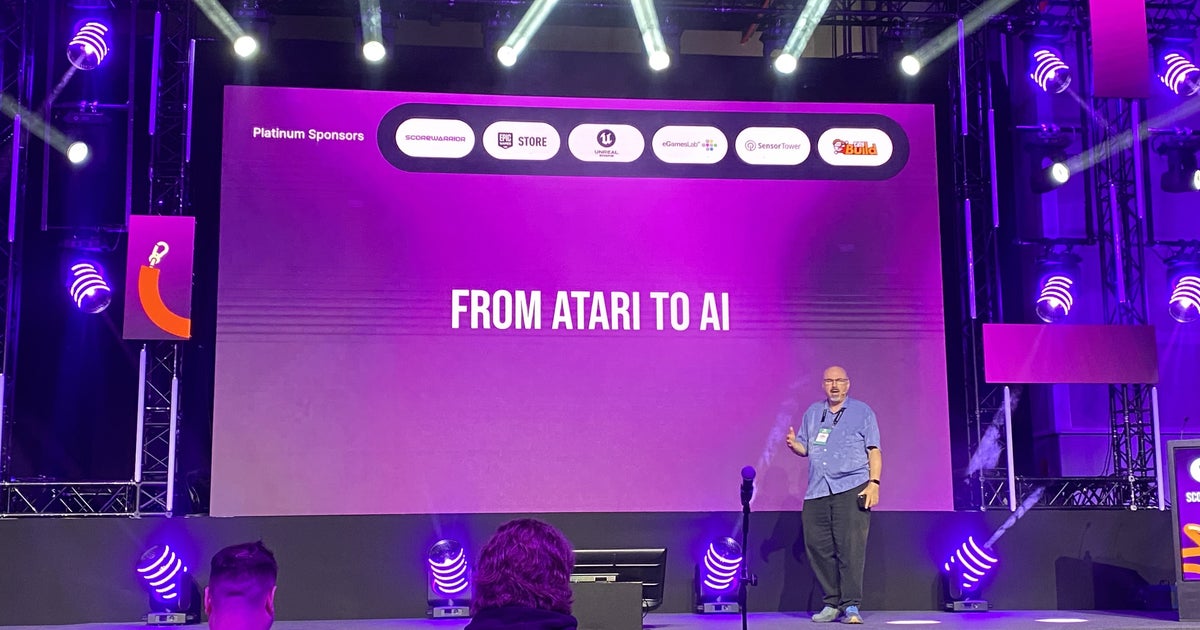
At the DevGAMM conference in Lisbon, veteran game designer Howard Scott Warshaw, who programmed the 1982 Atari 2600 E.T. the Extra-Terrestrial, warned that AI could cause a repeat of the 1983 video game crash. Warshaw argues that AI lets far more people create games quickly, producing a glut of low-quality titles similar to the one that preceded the crash. The articles report that US games industry revenue fell from over $3 billion in 1983 to around $100 million in 1985, with E.T. frequently cited as a contributing factor, though historians dispute the crash's causes. Warshaw says he is not opposed to AI, acknowledging it can greatly speed up programming, but notes that speed brings sloppiness. He also recounted that E.T. was produced in a few weeks for the holiday season, and that unsold copies were reportedly buried in New Mexico. The warning is a prediction and opinion; the articles report no security vulnerabilities, incidents, or attacks. No specific defensive actions are recommended beyond the broader industry concern about quality control.
Ask AI about this cluster
Answers cite the sources they use
Timeline
More articles in this cluster (2)
Following this threat?
Track Atari in your own feed — you're alerted when they show up in new reporting, leak sites or exploitation.
Free account · no card needed
Common questions
Does this involve a security vulnerability or attack?
Is Warshaw opposed to AI in game development?
Is the 1983 crash's cause settled?
Continue Reading
 PHP Security Updates Patch 18 Flaws, Including CVSS 9.2 PHP-FPM Request Smuggling Bug Security updates for PHP addressing 18 vulnerabilities across the core engine, session handling, PHP-FPM, and CGI were released on 19 November 2026, according to CERT-PH. The most critical flaw, CVE-2026-129289, is a PHP-FPM request smuggling vulnerability rated CVSS 9.2, which CERT-PH says may allow unauthenticated…