 Ifa.Et
Ethiopia's Maritime Access: An Existential Threat Amid Regional Tensions
Article Content

- •Ethiopia's maritime access is deemed an existential necessity by its government.
- •The country relies on Djibouti for 95% of its trade, creating a significant economic vulnerability.
- •Regional tensions, particularly with Eritrea, heighten the urgency for Ethiopia to secure maritime access.
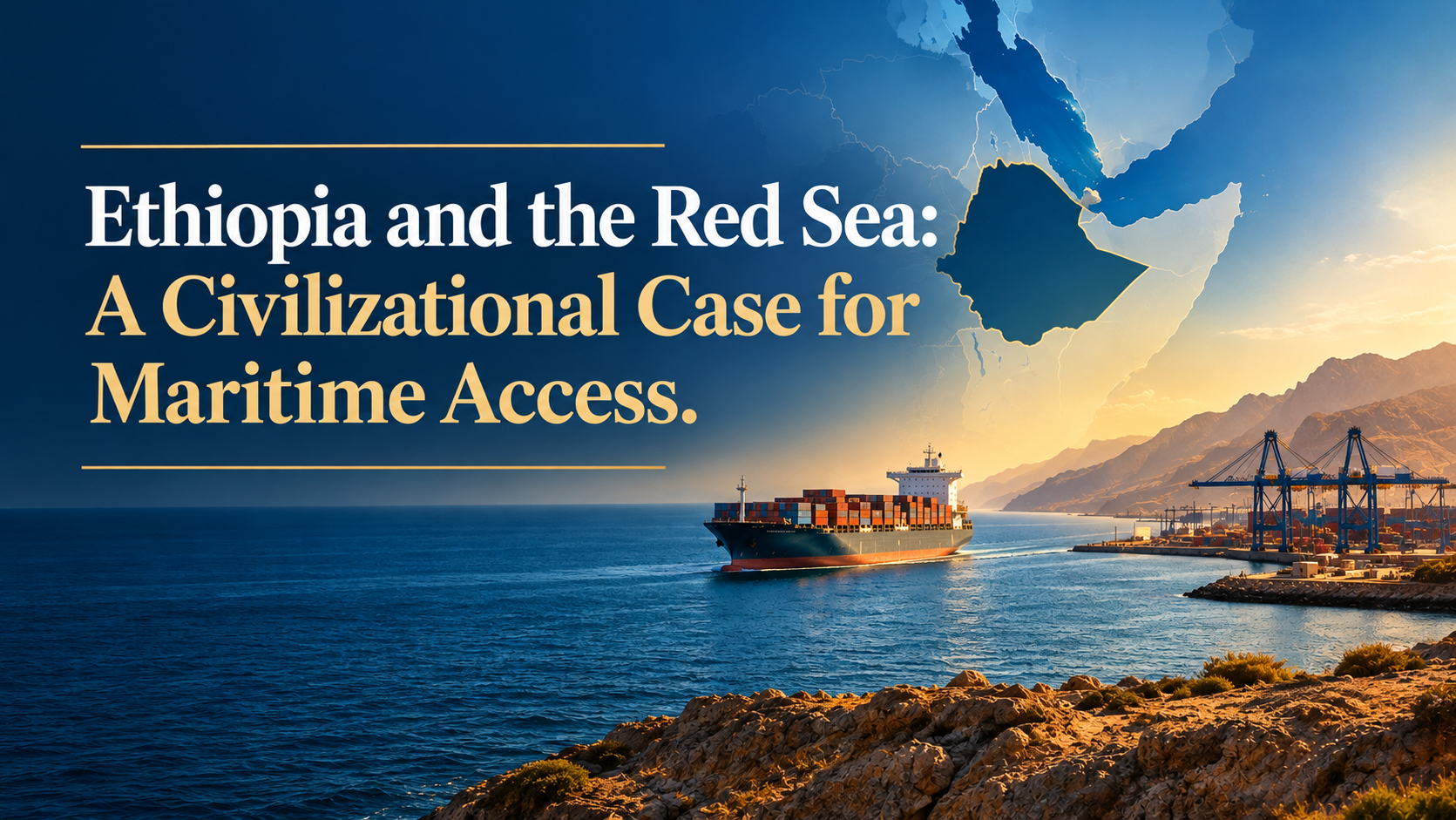
Ethiopia's Prime Minister Abiy Ahmed emphasized the critical need for maritime access during the Tana High-Level Forum on October 24, 2026. As the most populous landlocked country, Ethiopia faces severe economic and security vulnerabilities due to its reliance on Djibouti for 95% of its trade. The geopolitical dynamics, particularly the militarized relationship with Eritrea, exacerbate this situation, making access to the Red Sea a matter of national survival. The historical context of Ethiopia's maritime connection, dating back to the Aksumite Empire, highlights the urgency of this issue. The current reliance on a single trade corridor poses a significant risk, as any instability in Djibouti could lead to economic consequences for Ethiopia. This situation is further complicated by the militarization of the Red Sea region, increasing the stakes for Ethiopia's quest for a reliable sea route.
Ask AI about this cluster
Answers cite the sources they use
Timeline
More articles in this cluster (2)
Common questions
Why is maritime access critical for Ethiopia?
What risks does Ethiopia face without maritime access?
How does the regional security situation affect Ethiopia?
Continue Reading
 CVE-2026-123890: Auth bypass in VMware vCenter exploited by Armory Castle before patch CVE-2026-123890, a flaw in VMware vCenter Server rated CVSS 9.8, allows an unauthenticated remote attacker to obtain an administrator session on the platform. According to the Google Threat Intelligence Group, the flaw was exploited by the espionage group Armory Castle (formerly UNC5221), which has suspected China…