 broadbandbreakfast.com
FCC Approves Prison Cellphone Jamming Rule Amid Concerns
Article Content

- •FCC's new rule allows jamming of cellphone signals in state and local prisons.
- •Concerns raised about blocking emergency communications like 911 calls.
- •Prisons must obtain licenses and follow technical standards to minimize external interference.
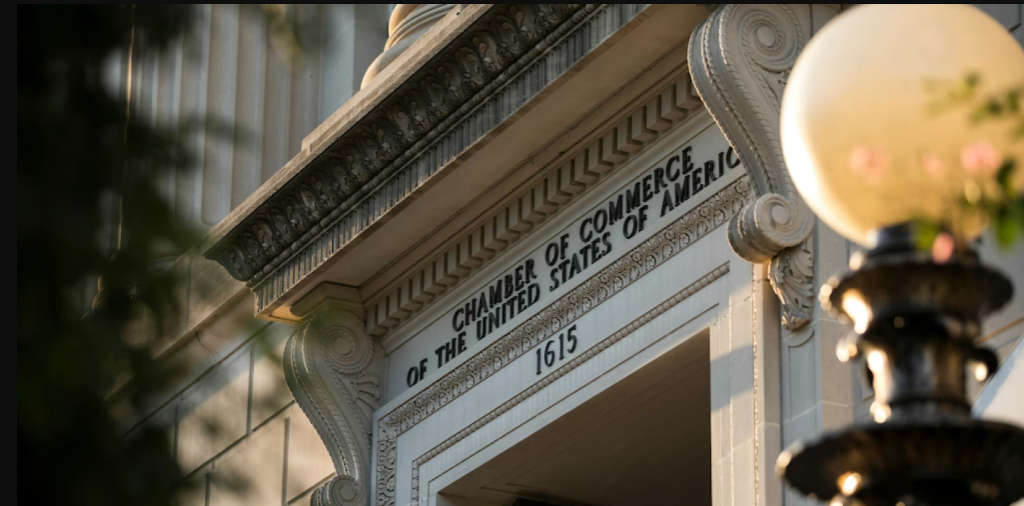
On November 19, 2026, the FCC unanimously approved a rule allowing state and local prisons to jam cellphone signals to combat contraband cellphones used for criminal activities. The decision comes despite warnings from the U.S. Chamber of Commerce and the ACLU about the potential risks of blocking lawful communications, including calls. FCC Chair Brendan Carr stated that jamming technology is necessary to prevent inmates from orchestrating crimes from within prison walls. The rule requires prisons to obtain licenses and adhere to technical standards to minimize interference with external communications. Critics argue that jamming indiscriminately disrupts all wireless communications, potentially endangering public safety. The ACLU has emphasized the importance of cellphones for prisoners to report safety and human rights violations. The rule's implementation will be closely monitored to assess its impact on both prison safety and public communication.
Ask AI about this cluster
Answers cite the sources they use
Timeline
More articles in this cluster (4)
Common questions
What is the purpose of the jamming rule?
What are the concerns regarding this rule?
How will prisons implement this technology?
Continue Reading
 Lazarus Group Targets 30 South Korean Servers Using PHP Vulnerabilities North Korea-linked Lazarus Group has targeted 30 servers in South Korea as part of a larger cyber operation involving 581 servers across 10 countries. The attacks exploit two critical remote code execution vulnerabilities in PHP (CVE-2026-109618 and CVE-2026-109619), allowing unauthorized server command execution. The…