 Thecyberexpress
France Attributes Supermarket Cyberattack to Iran's IRGC
Article Content

- •France attributed a major cyberattack to Iran's IRGC, marking a significant geopolitical escalation.
- •The attack affected 700 supermarket refrigeration units, causing extensive food spoilage and financial losses.
- •International warrants have been issued for members of the Shahid Kaveh cyber group linked to the attack.
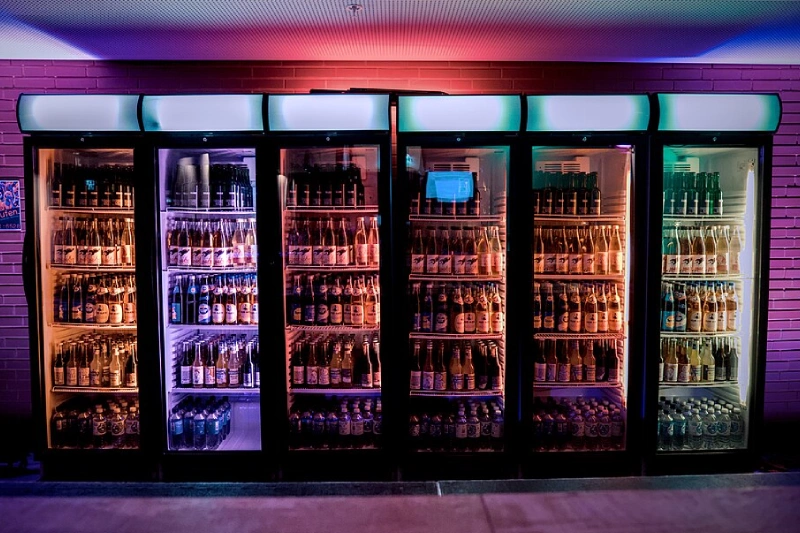
On November 9, 2026, France publicly attributed a cyberattack on supermarket refrigeration systems to Iran's Islamic Revolutionary Guard Corps (IRGC), specifically the Shahid Kaveh unit. The attack, which occurred on October 11-12, 2026, compromised 700 retail sites, causing significant food spoilage and fires due to elevated temperatures in refrigeration units. French authorities reported losses in the tens of millions of euros and noted that the attack represented the first large-scale cyber sabotage on French soil. The attack exploited vulnerabilities in internet-connected refrigeration systems, and the French government is pursuing international warrants for the attackers. Concurrently, a wave of similar attacks affected other European countries, though France did not attribute these incidents. The attack method involved manipulating defrost settings, and evidence linked the operation to Iranian cyber infrastructure. The French government is considering sanctions against Iran in response to the incident.
Ask AI about this cluster
Answers cite the sources they use
Timeline
More articles in this cluster (2)
Common questions
What systems were affected?
What actions is France taking against the attackers?
Is there evidence of exploitation of vulnerabilities?
Continue Reading
 Critical RCE Vulnerability in Confection WordPress Plugin (CVE-2026-115252) A critical vulnerability, CVE-2026-115252, has been identified in the Confection WordPress Cable plugin, affecting versions 0.4.0 to 0.4.7. This flaw allows unauthenticated attackers to execute arbitrary PHP code on the server by writing unmodified settings into a PHP file without proper checks. The vulnerability has…
 Critical RCE and LPE Vulnerabilities in Quest Foglight for Databases On November 3, 2026, the Zero Day Initiative disclosed multiple critical vulnerabilities in Quest Foglight for Databases, including six remote code execution (RCE) flaws and two local privilege escalation (LPE) vulnerabilities. The most severe RCE vulnerabilities, CVE-2026-92189 and CVE-2026-92190, allow…