 www.bbc.co.uk
Germany deepfake and AI impersonation enforcement options; BBC explainer on deepfakes
Article Content

- •Germany has no single deepfake statute; enforcement relies on personality/image rights (KUG §22), UWG, trademark, copyright, platform notices and criminal law.
- •Unauthorised use of a recognisable likeness is generally treated as an interference with personality rights, which can make unlawfulness comparatively simple to show.
- •Combining remedies is often strongest, since one deepfake can cause reputational, commercial and endorsement harm at once.
- •Evidence such as acoustic expert analysis for voice clones and frame-level forensic review for video may be needed to prove fakery.
- •The BBC explainer is general awareness material and does not report a specific deepfake incident.
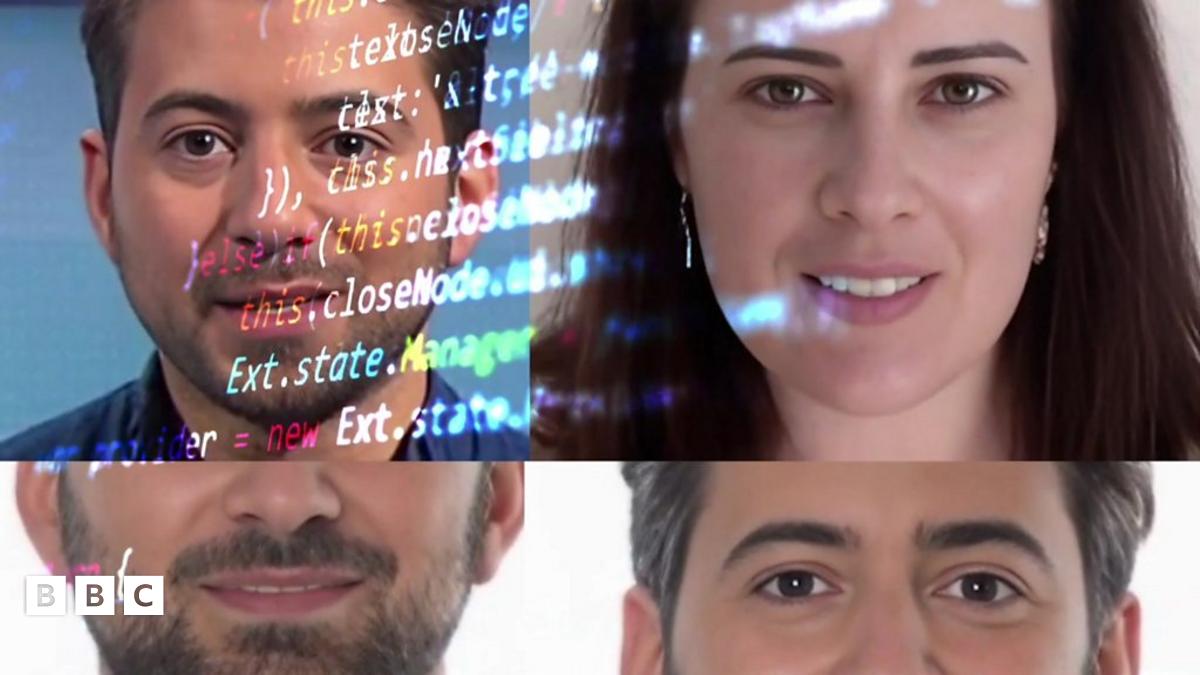
A Global Advisory Experts guide published 2026-11-22 sets out German legal routes against AI-generated fakes and impersonation, including personality and image rights under the Basic Law and KUG §22, UWG, trademark, copyright, DPMA and platform notices, and criminal options, plus an evidence and interim relief checklist. The guide describes three deepfake formats (voice cloning, video deepfakes, synthetic likenesses) and three damage types (reputational, commercial, endorsement misuse). A BBC Newsround explainer, dated 2026-11-25 in the cluster metadata but with no article date given in the text, describes how deepfakes mimic voices and facial features and offers tips for spotting fakes. It also notes beneficial uses, such as researchers at the University of Southampton helping people hear their own voice again. Neither article reports a specific incident, attacker, victim count, or exploitation event. The two sources are a commercial legal-advisory guide and a general-audience explainer, so the cluster offers legal and awareness content rather than news of a discrete attack.
Ask AI about this cluster
Answers cite the sources they use
Timeline
More articles in this cluster (2)
Following this threat?
Track BBC in your own feed — you're alerted when they show up in new reporting, leak sites or exploitation.
Free account · no card needed
Common questions
Does German law have a specific deepfake statute?
What evidence is needed to prove a deepfake?
Does the BBC explainer report a specific attack?
Continue Reading
 CVE-2026-123890: Auth bypass in VMware vCenter exploited by Armory Castle before patch CVE-2026-123890, a flaw in VMware vCenter Server rated CVSS 9.8, allows an unauthenticated remote attacker to obtain an administrator session on the platform. According to the Google Threat Intelligence Group, the flaw was exploited by the espionage group Armory Castle (formerly UNC5221), which has suspected China…
 North Korea's TraderTraitor linked to $6.3B Binance breach via compromised DevOps laptop The FBI, with the U.S. Secret Service and IRS, attributes a security incident at the Binance cryptocurrency exchange to North Korea's TraderTraitor group, which the FBI says converted stolen assets primarily into Ethereum. Binance estimates the total financial impact at $6.3 billion and says it has worked with…