 www.cambridge.org
Humans Halted Next Ice Age, Study Reveals
Article Content

- •Human activities have halted the onset of a new ice age.
- •The Barnes Ice Cap began retreating in the 1960s due to increased carbon emissions.
- •Future greenhouse gas emissions could delay glaciation for hundreds of thousands of years.
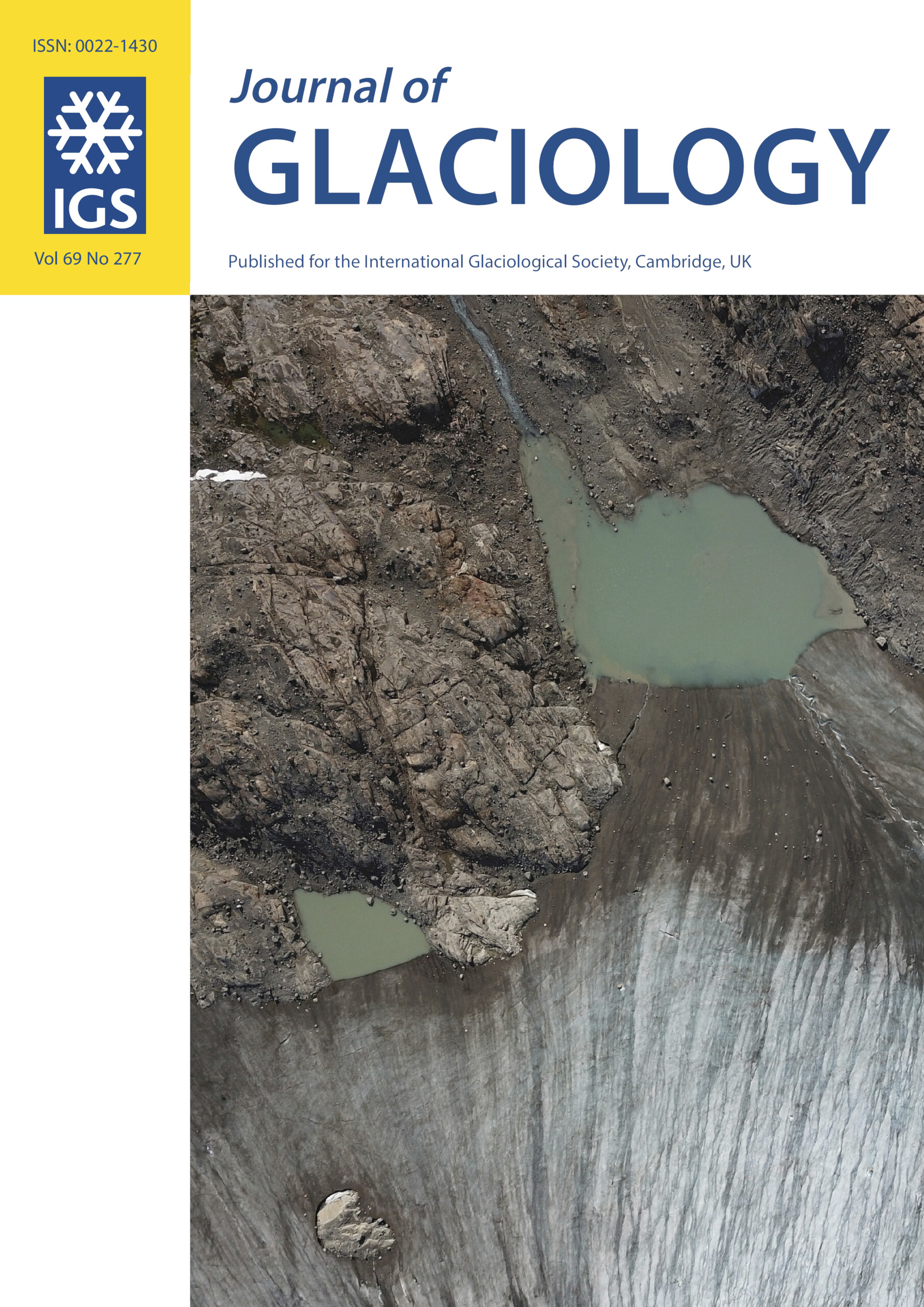
A recent study published in Science indicates that human activities, particularly greenhouse gas emissions, have prevented the onset of a new ice age that was beginning around 2,000 years ago. The research focused on the Barnes Ice Cap in Canada, which began to grow approximately 3,600 years ago but started retreating in the 1960s as carbon pollution increased. The study's lead author, Nicolás Young, emphasized that the warming caused by human activity has disrupted natural glacial cycles, which are typically governed by Milankovitch cycles. The findings suggest that future emissions could delay glaciation for hundreds of thousands of years. The Barnes Ice Cap, a remnant of the Laurentide Ice Sheet, is currently thinning and may disappear completely within 300 years. This research highlights the significant impact of human-induced climate change on Earth's natural processes.
Ask AI about this cluster
Answers cite the sources they use
Timeline
More articles in this cluster (4)
Common questions
What is the significance of the Barnes Ice Cap study?
How long could the effects of human emissions last?
What are Milankovitch cycles?
Continue Reading
 Critical RCE Vulnerability in Confection WordPress Plugin (CVE-2026-115252) A critical vulnerability, CVE-2026-115252, has been identified in the Confection WordPress Cable plugin, affecting versions 0.4.0 to 0.4.7. This flaw allows unauthenticated attackers to execute arbitrary PHP code on the server by writing unmodified settings into a PHP file without proper checks. The vulnerability has…
 Critical Code Injection Vulnerability in Staggs Plugin for WordPress A critical code injection vulnerability, CVE-2026-78287, has been identified in the Staggs plugin for WordPress, affecting versions up to 3.3.0. This flaw allows unauthenticated attackers to execute arbitrary code remotely, posing severe risks to affected sites. The vulnerability stems from improper control over code…