 www.hrw.org
ICJ to Rule on Myanmar's Alleged Genocide Against Rohingya
Article Content

- •ICJ's ruling on Myanmar's genocide case is set for November 19, 2026.
- •The Arakan Army currently controls northern Rakhine and imposes severe restrictions on Rohingya.
- •The AA's actions may amount to crimes against humanity, complicating accountability efforts.
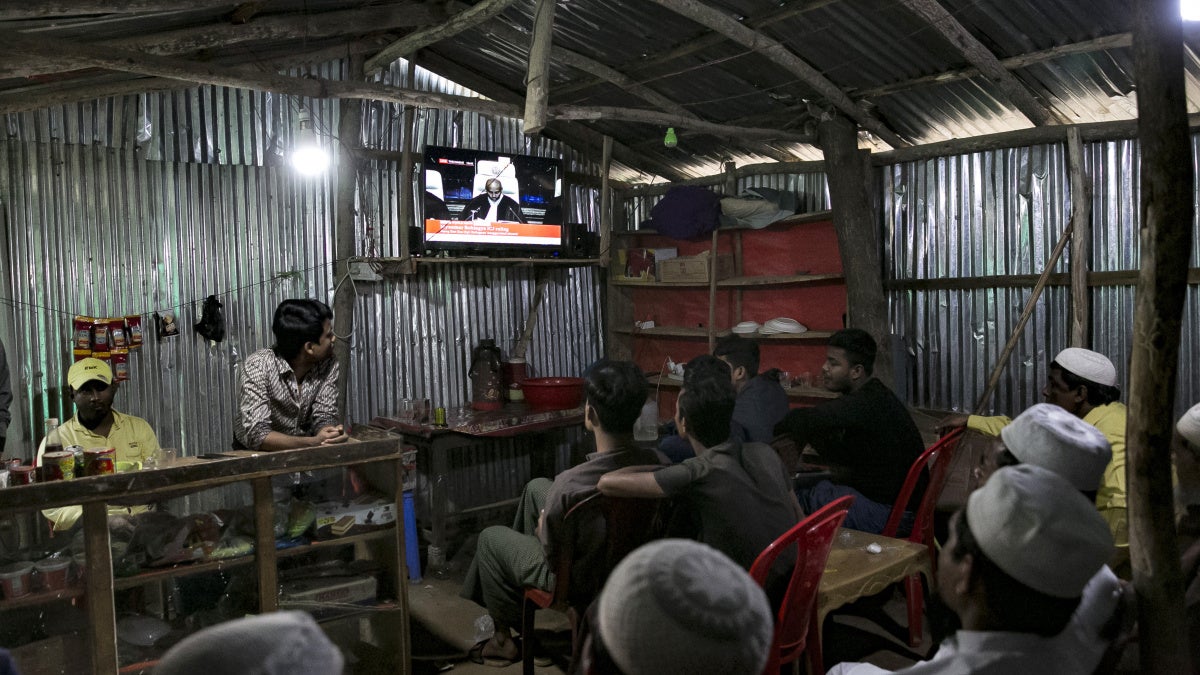
On November 19, 2026, the International Court of Justice (ICJ) will deliver a judgment in The Gambia v. Myanmar regarding alleged genocide against the Rohingya. This case follows a military campaign in 2017 that forced over 700,000 Rohingya to flee to Bangladesh. The Gambia seeks a legal determination of Myanmar's state responsibility for genocide, but the ruling will only bind Myanmar, which currently does not control the affected territory. The Arakan Army (AA), which now governs northern Rakhine State, has reportedly imposed severe restrictions and abuses on the Rohingya, including forced labor and property seizures. Investigations indicate that the AA's actions may constitute crimes against humanity, complicating the situation for the Rohingya who remain in Myanmar. The ICJ's ruling could have significant implications for international accountability, but the AA's control limits the effectiveness of any remedies ordered by the court.
Ask AI about this cluster
Answers cite the sources they use
Timeline
More articles in this cluster (3)
Common questions
What is the ICJ ruling about?
What are the implications of the ruling?
How is the Arakan Army affecting the Rohingya?
Continue Reading
 Critical RCE Vulnerability in Confection WordPress Plugin (CVE-2026-115252) A critical vulnerability, CVE-2026-115252, has been identified in the Confection WordPress Cable plugin, affecting versions 0.4.0 to 0.4.7. This flaw allows unauthenticated attackers to execute arbitrary PHP code on the server by writing unmodified settings into a PHP file without proper checks. The vulnerability has…
 Critical RCE and LPE Vulnerabilities in Quest Foglight for Databases On November 3, 2026, the Zero Day Initiative disclosed multiple critical vulnerabilities in Quest Foglight for Databases, including six remote code execution (RCE) flaws and two local privilege escalation (LPE) vulnerabilities. The most severe RCE vulnerabilities, CVE-2026-92189 and CVE-2026-92190, allow…