 Ua.News
Iran-Linked Ships Maneuver Near Critical Undersea Cables
Article Content

- •Four Iran-linked vessels exhibited suspicious behavior near critical undersea cables.
- •No confirmed attacks have occurred, but the movements align with Iranian threats.
- •The subsea cables are crucial for internet connectivity in the Gulf region.
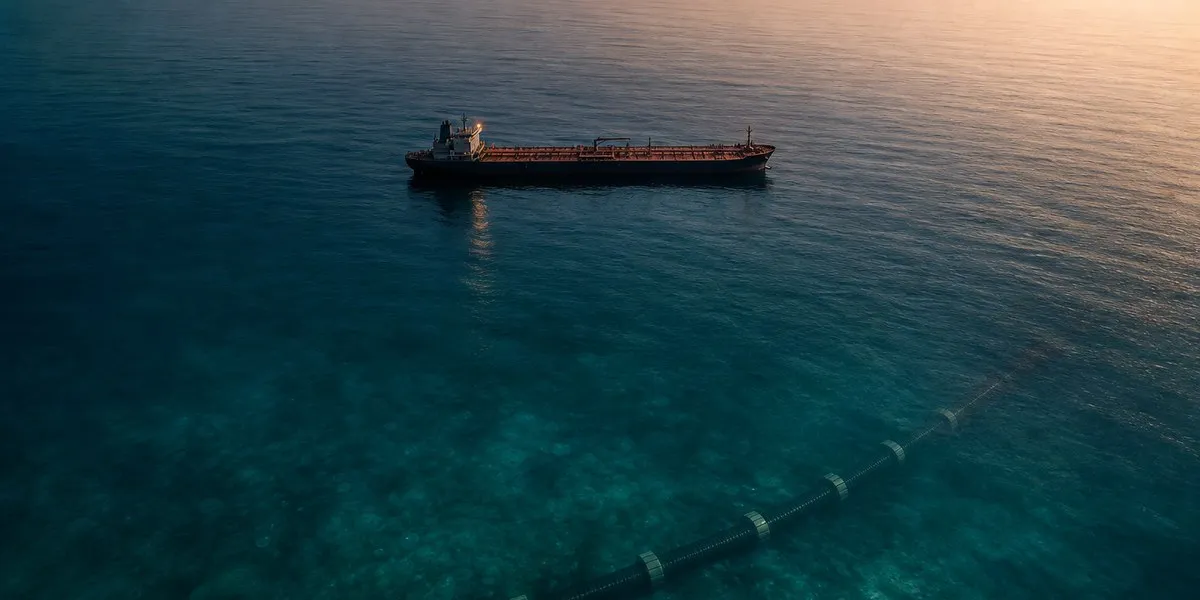
In October 2026, four vessels linked to Iran were observed altering their routes and disabling tracking systems over subsea telecommunications cables in the Gulf of Oman. Maritime intelligence firm Windward reported that these actions could indicate attempts to map cable routes or potentially install explosives, though no actual attacks have been confirmed. The vessels included three tankers under U.S. sanctions and a small fishing boat, which loitered in key areas for extended periods. These movements coincided with Iranian threats to target regional digital infrastructure in response to potential military actions by the U.S. and Israel. The subsea cables in question are vital for internet connectivity across the Middle East, South Asia, and beyond. The situation remains tense, with the potential for significant disruption to communications if attacks were to occur.
Ask AI about this cluster
Answers cite the sources they use
Timeline
More articles in this cluster (8)
Following this threat?
Track Windward in your own feed — you're alerted when they show up in new reporting, leak sites or exploitation.
Free account · no card needed
Common questions
What specific cables are at risk?
Have any attacks occurred?
What should organizations do to prepare?
Continue Reading
 Critical RCE Vulnerability in Confection WordPress Plugin (CVE-2026-115252) A critical vulnerability, CVE-2026-115252, has been identified in the Confection WordPress Cable plugin, affecting versions 0.4.0 to 0.4.7. This flaw allows unauthenticated attackers to execute arbitrary PHP code on the server by writing unmodified settings into a PHP file without proper checks. The vulnerability has…
 Critical RCE and LPE Vulnerabilities in Quest Foglight for Databases On November 3, 2026, the Zero Day Initiative disclosed multiple critical vulnerabilities in Quest Foglight for Databases, including six remote code execution (RCE) flaws and two local privilege escalation (LPE) vulnerabilities. The most severe RCE vulnerabilities, CVE-2026-92189 and CVE-2026-92190, allow…