 www.al-monitor.com
Iran Plans to Target Gulf Undersea Cables Amid Rising Tensions
Article Content

- •Iran plans to target undersea cables if attacked, threatening regional internet connectivity.
- •Recent military actions have already caused irrecoverable data loss in AWS data centers in the region.
- •The Gulf states are increasing their vulnerability as new cables are planned without alternative routes.
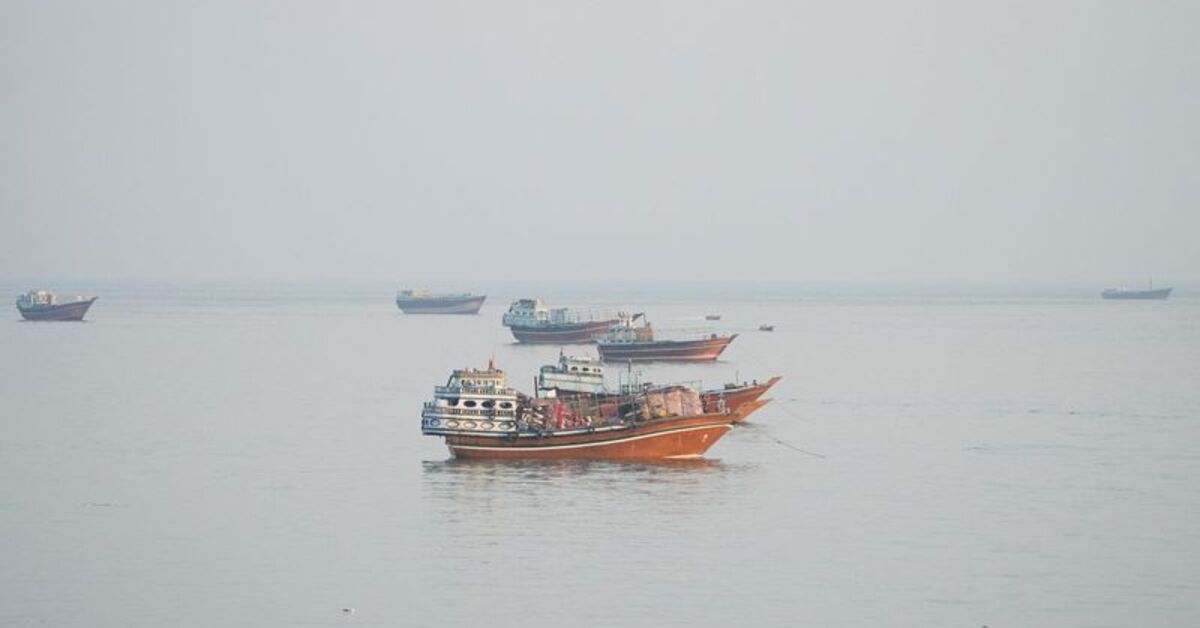
Iran has developed plans to attack undersea communications cables in the Gulf if military actions against it resume, as stated by two senior Iranian security officials. This follows a series of military confrontations in the region that have already disrupted digital infrastructure, including the loss of data in Amazon Web Services' Bahrain and UAE regions. The International Telecommunication Union reported that this loss of data is in armed conflict. Iran's Revolutionary Guards have indicated they could target seven major internet cables beneath the Strait of Hormuz, which are crucial for global internet traffic. The ongoing conflict has made civilian digital infrastructure strategic targets, raising concerns about the security of subsea cables. The Gulf states, particularly those without alternative routes around the Strait, face increased vulnerability as new cables are planned to come online by 2027. The situation remains tense, with Iran warning that any attack could lead to significant disruptions in communications.
Ask AI about this cluster
Answers cite the sources they use
Timeline
More articles in this cluster (5)
Following this threat?
Track Amazon in your own feed — you're alerted when they show up in new reporting, leak sites or exploitation.
Free account · no card needed
Common questions
What are the implications of targeting undersea cables?
How has the conflict affected data centers?
What should Gulf states do to mitigate risks?
Continue Reading
 Critical Apache Roller RCE Vulnerability Actively Exploited in the Wild Apache has issued a warning regarding a critical remote code execution (RCE) vulnerability in Apache Roller, tracked as CVE-2026-129448, which is actively being exploited. This flaw affects versions 4.0.0 through 6.1.4 and allows unauthenticated attackers to execute arbitrary code via the XML-RPC endpoint. The…